

|
|
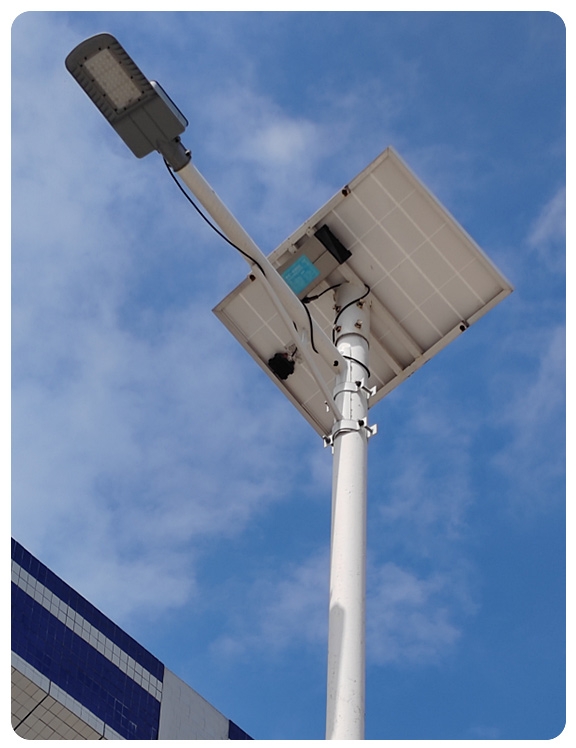
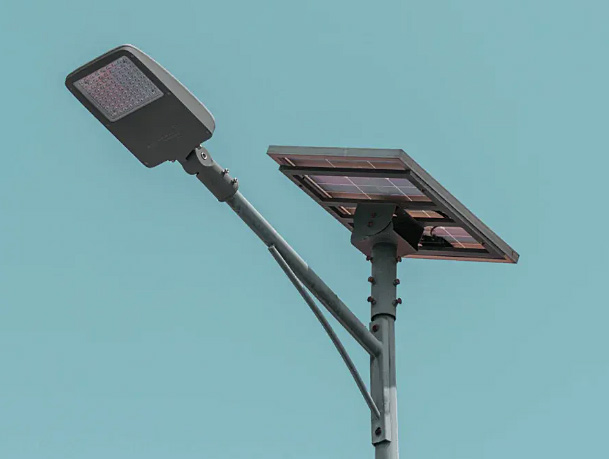
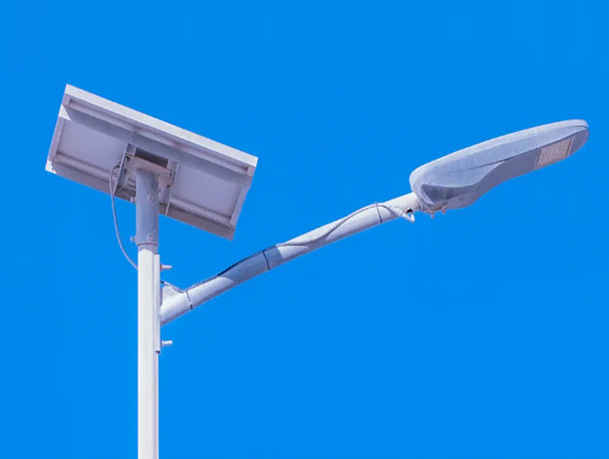
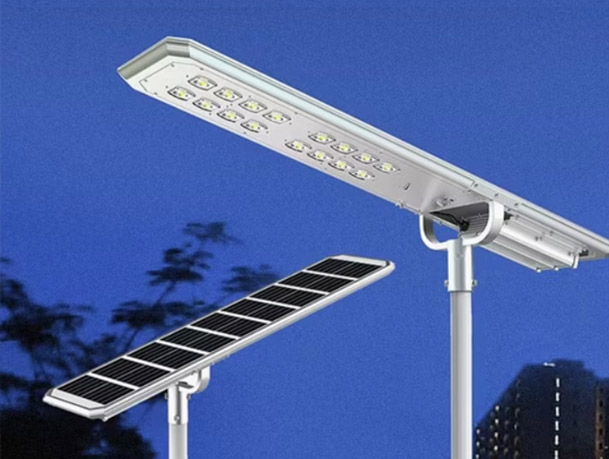
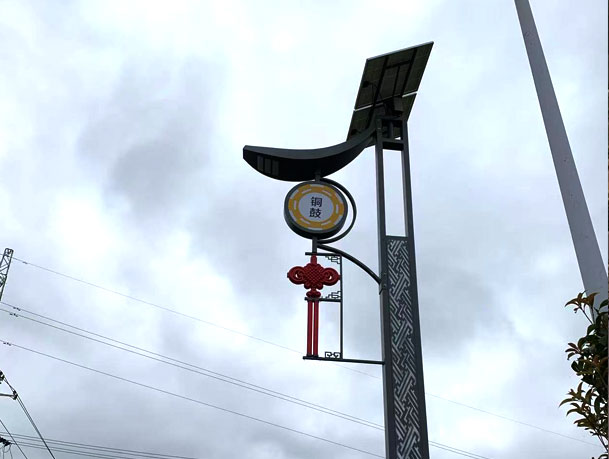
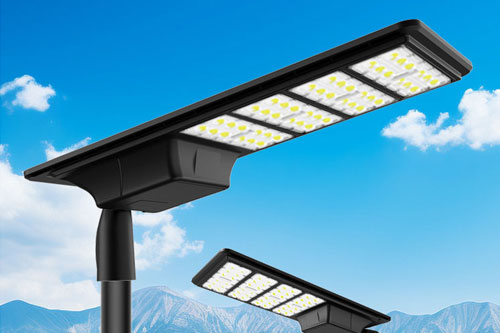
A solar street light pole is the structural support system designed to hold the LED lamp, solar panel, battery box, controller, and mounting arm. Unlike standard street light poles, solar lighting poles must support additional equipment weight while maintaining long-term stability under wind load, rain, humidity, and continuous outdoor exposure. The pole is not only a support component—it is one of the most important parts of the entire solar lighting system. A properly designed pole improves both lighting efficiency and structural safety, while a poor-quality pole often becomes the main reason for project failure. |
Main Components of a Solar Lighting Pole A complete solar street light pole system usually includes the main pole shaft, lamp arm bracket, solar panel mounting bracket, battery box, controller installation area, base plate, anchor bolts, flange connection, and a hot-dip galvanized protective layer. Some projects also require outdoor powder coating for additional corrosion protection and a better visual appearance, especially in municipal and commercial lighting projects where aesthetics matter. Each part directly affects installation quality, long-term durability, and maintenance costs.
Why Pole Selection Matters More Than Most Buyers Think Many project failures happen because the pole specification does not match the actual application. When the wrong solar street light pole is selected, buyers often face problems such as insufficient wind resistance in strong wind areas, poor corrosion protection in coastal or rainy environments, unstable foundations caused by improper structural design, and uneven light distribution that affects road safety. In many cases, these issues also lead to a shorter service life and significantly higher replacement and maintenance costs over time. What looks like a low initial purchase price often becomes a much more expensive long-term investment. That is why professional buyers focus not only on the lamp itself, but also on the engineering quality of the pole structure. |
Key Factors to Consider When Choosing a Solar Street Light Pole Pole Height: How Tall Should It Be? Pole height determines lighting coverage, illumination uniformity, installation cost, and structural strength. Choosing a taller pole does not always mean better lighting performance. The correct height depends on road width, pole spacing, lighting standards, lamp power, and the actual application environment. For example, residential roads usually require lower poles for better lighting concentration, while highways and major roads need taller poles to achieve wider coverage and proper visibility.
Recommended Pole Height by Application |
Application | Recommended Height |
Residential Roads | 4–6m |
Community Streets | 5–7m |
Urban Roads | 6–8m |
Main Roads | 8–12m |
Highways | 10–15m |
An 8-meter solar street light pole is one of the most commonly used specifications for municipal roads and commercial projects because it provides a strong balance between cost and performance.
Incorrect pole height often creates dark zones between poles, excessive glare, poor lighting uniformity, and unnecessary installation costs. Professional lighting design should always come before final pole selection. |
Pole Material: Steel vs Aluminum vs Stainless Steel
Pole material determines durability, corrosion resistance, transportation efficiency, and overall project budget. Q235 steel is the most common choice for commercial solar street light poles because it offers strong structural performance with competitive pricing. For most municipal and roadway lighting projects, it remains the most practical option. Aluminum poles are lighter and provide good natural corrosion resistance, making them suitable for coastal areas where transportation and anti-rust performance are important. Stainless steel offers excellent corrosion resistance and is usually selected for extremely harsh environments where long-term durability is the top priority.
Material Comparison |
Material | Advantages | Best For |
Q235 Steel | Cost-effective, strong load capacity | Most municipal projects |
Aluminum | Lightweight, corrosion resistant | Coastal projects |
Stainless Steel | Excellent anti-corrosion performance | Extreme environments |
For most buyers, hot-dip galvanized steel poles provide the best balance between cost, strength, and lifespan. |
Wind Resistance Requirements
Wind load is one of the most important engineering factors when selecting a solar street light pole. Many buyers focus only on appearance or price and ignore local wind speed requirements. This often leads to serious problems later, especially in coastal cities, island countries, Africa projects, Middle East regions, and areas affected by hurricanes or strong seasonal winds. Unlike traditional street lights, solar street light poles must support solar panels, which create a much larger wind-catching surface. This significantly increases structural requirements. A professional manufacturer should calculate local wind speed, panel size, pole height, arm length, wall thickness, and foundation depth before final production. For many projects, wind resistance requirements range from 30m/s to 45m/s or even higher depending on local conditions. Ignoring wind load calculations can result in pole failure, damaged foundations, safety risks, and expensive project delays. |
Hot-Dip Galvanizing vs Powder Coating
This is one of the most misunderstood parts of solar street light pole purchasing. Many buyers believe painted poles and galvanized poles provide the same protection, but in reality, they serve very different purposes. Hot-dip galvanizing creates a zinc coating that protects the steel from internal corrosion and significantly extends service life. This is the real protection against rust. Powder coating mainly improves appearance and provides an additional surface protection layer, but it cannot replace galvanizing. The best long-term solution is hot-dip galvanizing combined with outdoor powder coating. This combination provides stronger rust resistance, better performance in rain and humidity, improved durability in coastal environments, and a cleaner appearance for public infrastructure projects. For coastal cities, industrial zones, and humid climates, hot-dip galvanized poles are not optional—they are essential. Typical galvanizing thickness usually ranges from 65μm to 100μm or more depending on project standards.
Battery and Solar Panel Weight Support
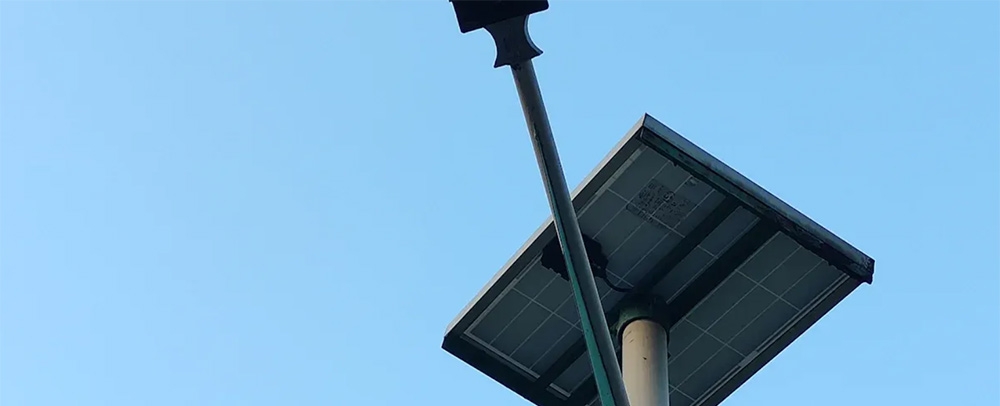
A solar street light pole supports much more than just the lamp head. It must also carry the solar panel, battery box, controller, bracket system, and sometimes smart monitoring devices. This additional equipment changes the entire structural design requirement. If the wall thickness is too thin or the arm bracket design is weak, the system becomes unstable and long-term safety is compromised. This is one of the main differences between a standard street light pole and a true solar lighting pole. Professional structural calculation is necessary to ensure the pole can safely support the full system for many years without excessive maintenance problems. |
Common Mistakes Buyers Make
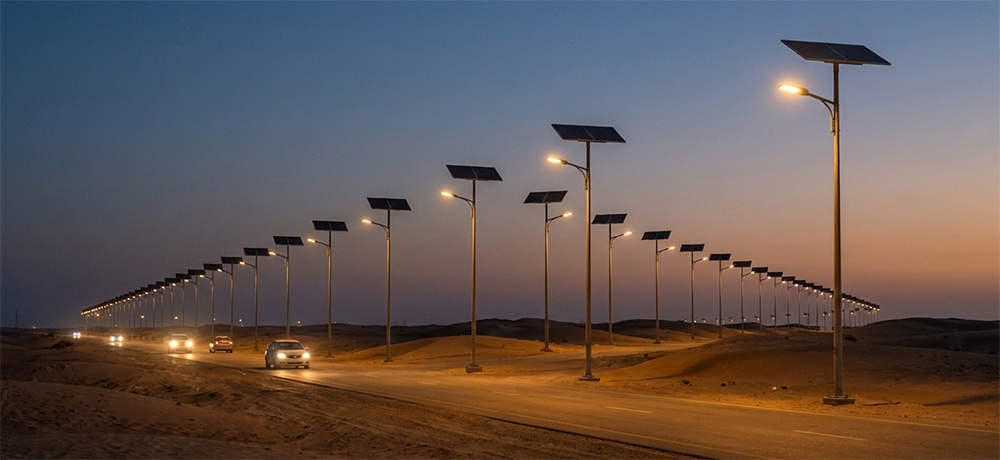
In solar street light pole projects, many problems are not caused by product quality itself, but by incorrect purchasing decisions made at the early stage. The following are the most common mistakes that lead to higher costs, installation risks, and reduced system lifespan.
Typical Buyer Mistakes and Their Real Impact |
Common Mistake | What Usually Happens | Real Project Impact |
Choosing based only on the lowest price | Thin wall thickness, reduced galvanizing, weaker structure | Higher maintenance cost and early pole replacement |
Ignoring local wind conditions | Standard pole used in high-wind regions | Pole bending, instability, or structural failure risk |
Selecting thin-wall poles to reduce budget | Insufficient load capacity for solar panels and long arms | Reduced safety margin and shorter service life |
No hot-dip galvanizing requirement | Only painted surface protection is used | Rapid corrosion in humid or coastal environments |
No foundation engineering design | Standard base used for all projects | Pole tilting, cracking, or unstable installation |
Why These Mistakes Are Common Most buyers focus on initial procurement cost instead of long-term performance. However, solar street light poles operate in outdoor environments for 8–20 years, where wind load, humidity, and structural fatigue gradually affect stability. A small design or material compromise at the beginning often results in significantly higher maintenance and replacement costs later. |
How Much Does a Solar Street Light Pole Cost? Solar street light pole prices vary significantly depending on project specifications. In most projects, the price range is usually between USD 80 and USD 800 or more per pole, depending on design complexity and engineering requirements. Pole height, wall thickness, steel material, galvanizing standard, flange size, bracket design, wind resistance requirements, and total order quantity all directly affect the final quotation. For example, a standard 6-meter galvanized solar street light pole for residential roads costs far less than a custom 12-meter highway lighting pole designed for strong wind resistance and heavy solar panel loads. The real purchasing question should not be “What is the cheapest price?” It should be “What is the best value for long-term project success?” That is the strategy professional buyers follow.
How Manufacturers Ensure Quality
A reliable solar street light pole manufacturer controls quality at every production stage, not only during final inspection. The process begins with raw steel material inspection to ensure strength and thickness meet engineering standards. During production, cutting accuracy, forming precision, and automatic welding quality must be strictly controlled. After fabrication, galvanizing thickness testing is necessary to confirm corrosion protection performance. Flange dimensions, anchor bolt positioning, and vertical load testing must also be verified before shipment. Finally, factory quality audits and anti-corrosion inspections help ensure every pole meets project requirements. For government tenders and infrastructure projects, these inspection reports are often required before shipment approval. Consistent quality control reduces installation problems, improves project safety, and helps buyers avoid costly after-sales issues. |
Why Work with a Professional Solar Street Light Pole Manufacturer
A professional manufacturer provides much more than product supply. They help buyers optimize structural design, reduce total project costs, improve installation efficiency, and avoid common engineering mistakes before production even begins. For contractors, distributors, EPC companies, and government infrastructure projects, supplier experience directly affects project success. A strong manufacturer can also improve tender approval rates by providing proper technical drawings, wind load calculations, galvanizing reports, and engineering recommendations. In many cases, choosing the right supplier creates more value than simply choosing the lowest quotation. Long-term project success depends on engineering support, not only product price.
Get Free Pole Design & Project Quotation Every project has different requirements. Road width, wind speed, soil condition, lighting standards, project budget, and installation environment all affect the final solar street light pole design. We help contractors, distributors, and municipal projects choose the right solar street light pole based on real engineering conditions—not guesswork. Our team provides free project consultation, custom pole design, wind load calculation, galvanizing recommendations, and factory-direct quotations to help buyers reduce risks and improve project efficiency.
Send us your project requirements today and get a professional solution for your solar street lighting project. |
FAQ – How to Choose the Right Solar Street Light Pole
1. What is the most important factor when choosing a solar street light pole? The most important factor is the working environment, especially wind speed and installation location. A solar street light pole must be strong enough to support the solar panel system and resist local wind conditions. If the pole strength is not properly designed, it may lead to instability, safety risks, or early damage.
2. How tall should a solar street light pole be for road lighting? The pole height depends on the road width and lighting purpose. For residential streets, 4–6 meters is usually enough. For urban roads, 6–8 meters is commonly used. For highways or wide roads, 10 meters or above may be required. Choosing the correct height helps achieve better lighting coverage and energy efficiency.
3. What material is best for solar street light poles? Most projects use galvanized steel because it provides a good balance of strength and cost. For coastal or high-corrosion areas, hot-dip galvanized steel or aluminum is recommended. The material choice should always depend on the installation environment and project budget.
4. Why is hot-dip galvanizing important for solar street light poles? Hot-dip galvanizing protects the steel surface from rust and corrosion. Since solar street light poles are used outdoors for many years, this coating significantly extends service life. Without proper galvanizing, the pole may rust quickly, especially in rainy or coastal environments.
5. Can a solar street light pole support heavy solar panels and batteries? Yes, but only if the pole is designed correctly. The structure must be calculated based on the total weight of the solar panel, battery box, and mounting system. A weak or thin pole may not safely support the load, especially in areas with strong wind conditions.
6. Why do solar street light poles fail in some projects? Most failures are caused by incorrect selection rather than manufacturing defects. Common reasons include choosing the wrong height, ignoring wind load, using thin-wall poles to save cost, or poor foundation design. These mistakes can reduce stability and shorten the service life of the system.
7. How much does a solar street light pole cost? The price usually ranges from USD 80 to over USD 800 per pole, depending on height, thickness, material, galvanizing standard, and wind resistance requirements. Custom designs for highways or high-wind areas will cost more than standard residential poles.
8. Do I need a foundation design for solar street light poles? Yes, foundation design is very important. A proper foundation ensures the pole remains stable under wind load and long-term outdoor conditions. Soil type, pole height, and system weight all affect foundation size and structure. Without correct foundation design, even a strong pole may become unstable over time. |
Contact Us
Get a custom lighting solution and quotation for your project. Outdoor lighting manufacturer in Yangzhou, ChinaAbout Jieyao LightingYangzhou Jieyao Lighting Equipment Co., Ltd. is an outdoor lighting manufacturer focused on solar street light systems and high mas... Do you have any questions or requests?
Email: jay@jieyaolighting.com

Click to Chat.
Im online now.