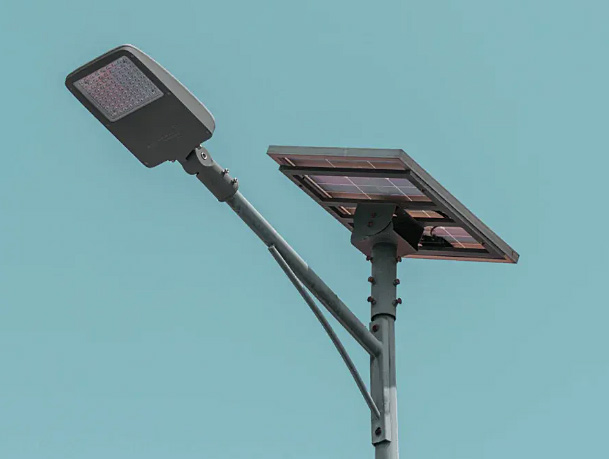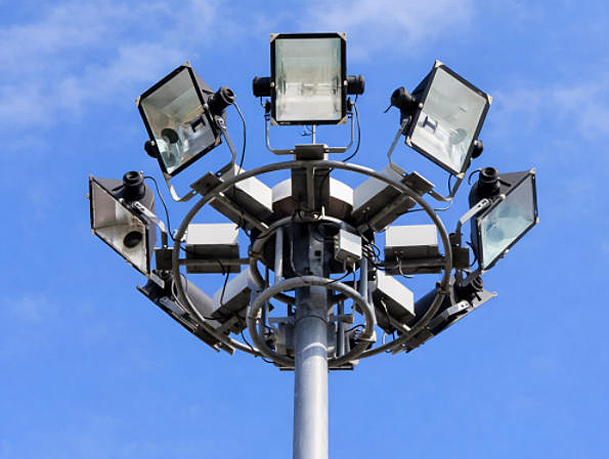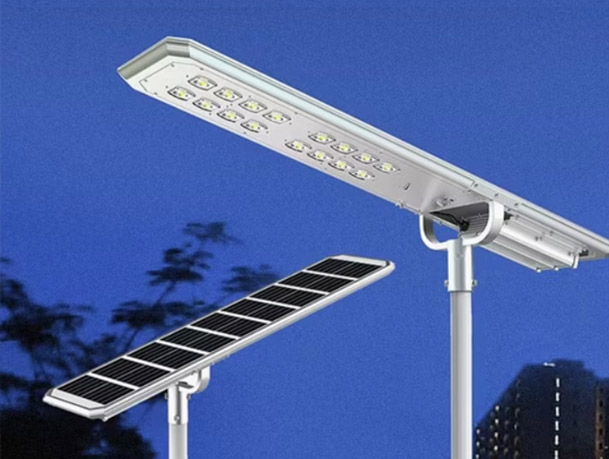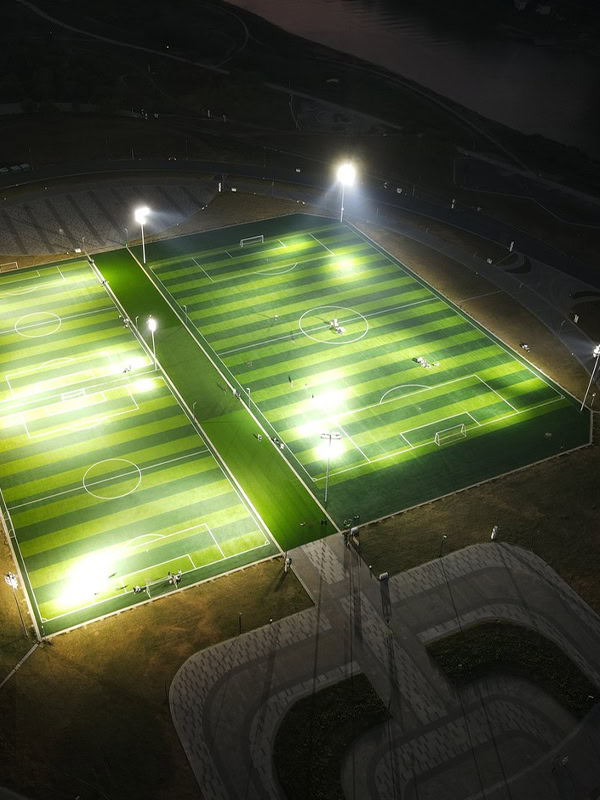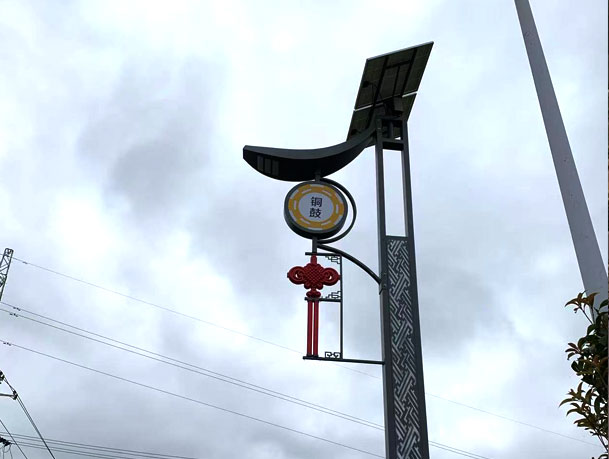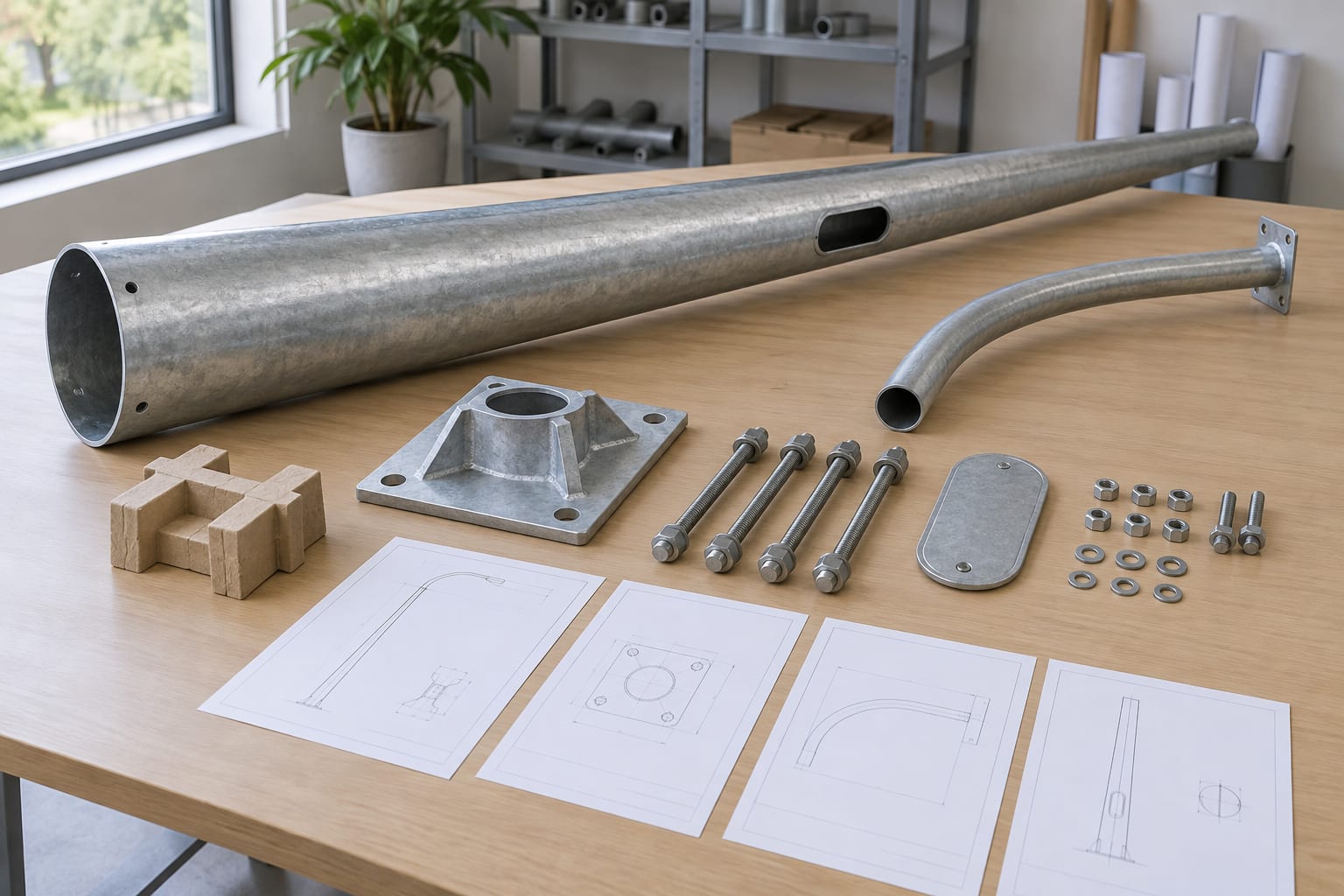
Compare a defined pole assembly, not a height label or a bare-shaft figure.
What determines the cost of a street light pole?
A street light pole does not have one reliable universal price. The designed section and supplied package change with mounting height, wind and attachment loads, arm geometry, steel and wall schedule, base or embedment detail, access openings, corrosion-protection system, inspection documents, quantity, packing and delivery terms. A quoted number is useful only when those inputs and exclusions are visible.
First decide whether the request is for a shaft, a complete pole assembly, a delivered package or an installed lighting system. Foundations, luminaires, wiring, lifting and commissioning are often separate scopes; do not assume they are included. For product context, see the steel street light pole range and the pole buying guide.
Issue one technical schedule to every supplier
Give each configuration a type mark and quantity. State mounting-height reference, shaft shape, arm length and orientation, luminaire mounting interface, attached equipment mass and projected area, site wind basis, foundation interface, access-door orientation and corrosion exposure. Provide the current luminaire schedule and drawing revision. If any input is preliminary, identify it as provisional and request a stated assumption rather than allowing each bidder to invent one.
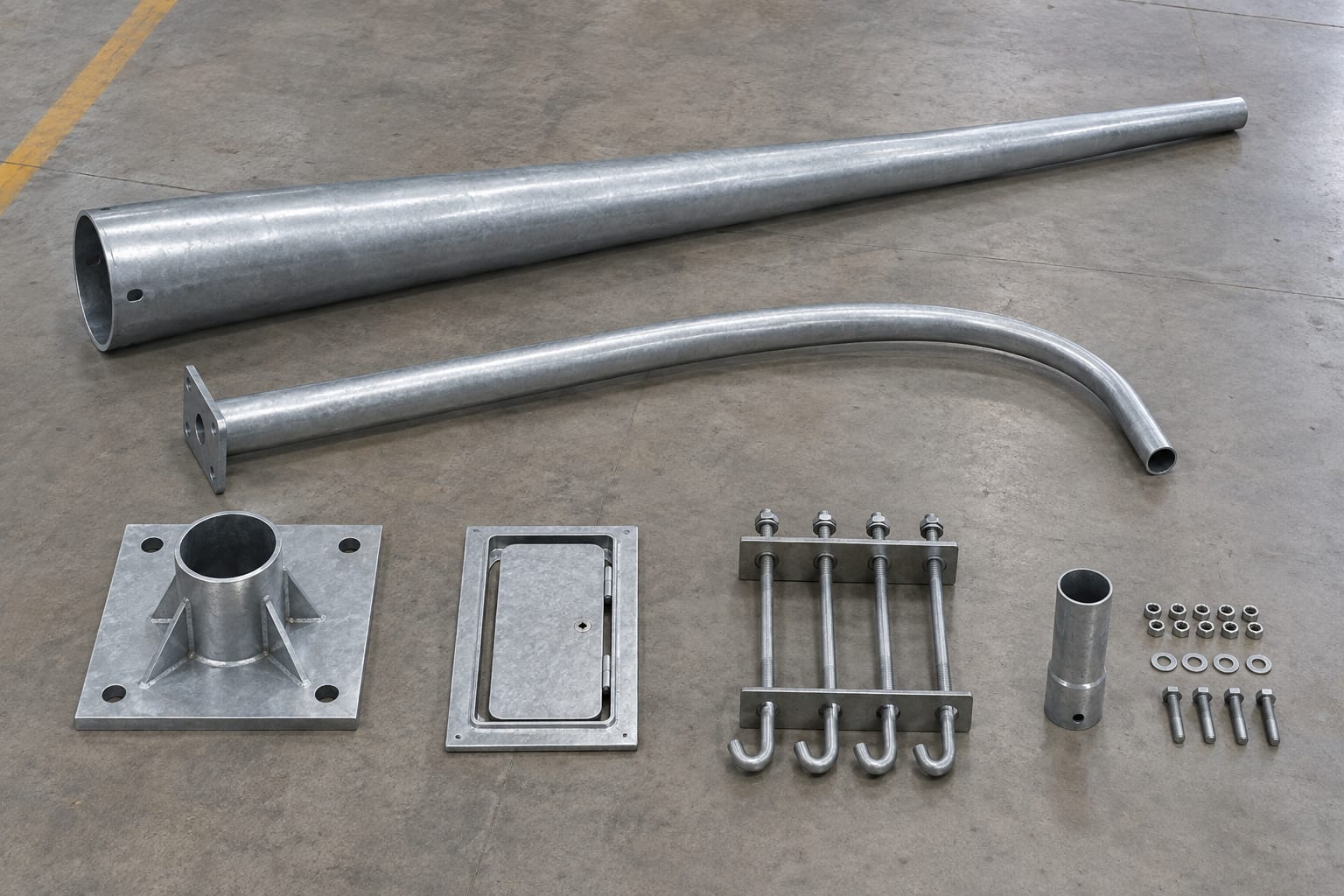
An itemized bill of supplied components prevents a shaft-only offer from being compared with a complete assembly.
Table 1. Inputs that change the engineered pole or supplied package
| RFQ field | Specify or attach | Why it matters |
|---|
| Geometry and quantity | Type marks, height reference, profile, arm arrangement, quantities | Controls material, fabrication and lot structure |
| Loads and site basis | Luminaire and accessory data, project wind/design criteria | Controls the engineered shaft, arm and connection |
| Base interface | Flange or direct burial, bolt pattern or embedment, conduit and door | Separates pole hardware from civil work |
| Finish and evidence | Coating specification, exposure, inspection and drawing package | Defines processing, checks and deliverables |
Separate pole, foundation and electrical scope
A flanged pole quotation may include a base plate and, if requested, an anchor cage; the concrete foundation, ground conditions and site installation may be by others. A direct-burial design changes the lower shaft and embedment interface. Neither arrangement should be priced from nominal height alone. Match the civil assumptions to the project engineer's reactions and connection drawing; the foundation and anchor-bolt guide explains the coordination boundary.
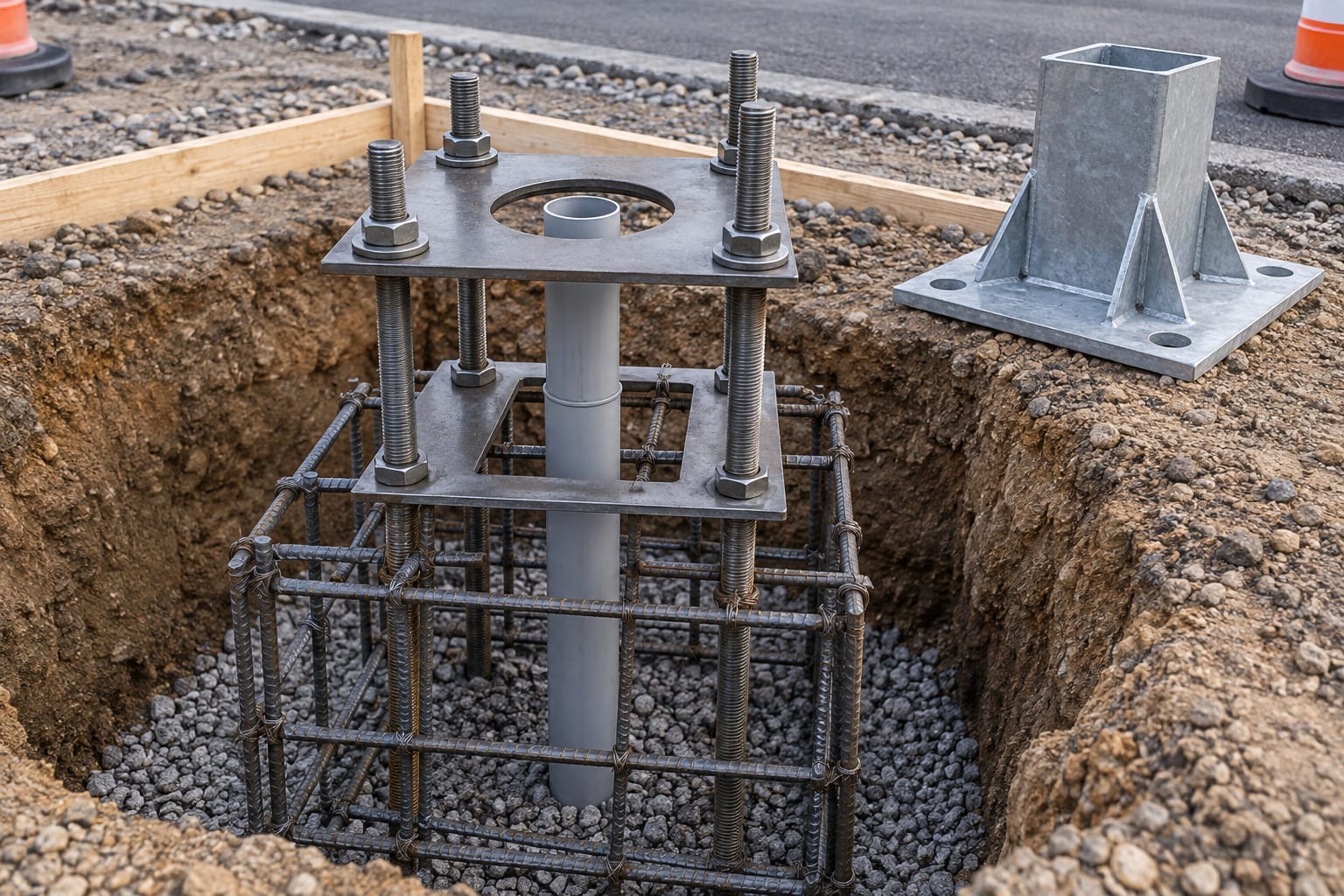
Confirm bolt pattern, base fit and conduit location before comparing foundation-related inclusions.
Also ask whether luminaires, cables, terminal blocks, surge protection, testing, erection equipment and traffic management are included. If suppliers quote different boundaries, put the difference in the comparison sheet instead of ranking the totals directly.
Compare finish, documentation and logistics on the same basis
Hot-dip galvanizing, a specified organic coating or a compatible duplex system are different supply and inspection scopes. Exposure and maintenance strategy matter more than a generic “painted” label; see the coastal duplex-coated pole for an application-specific example. Require the coating system and acceptance evidence to be named in each offer.
Drawings, calculation deliverables, inspection hold points, traceability, packing protection and shipping terms can also shift the commercial boundary. State whether freight, insurance, duties, unloading and storage are included, along with currency, validity and payment terms. Confirm the supplier's proposed segment lengths against transport and handling constraints.
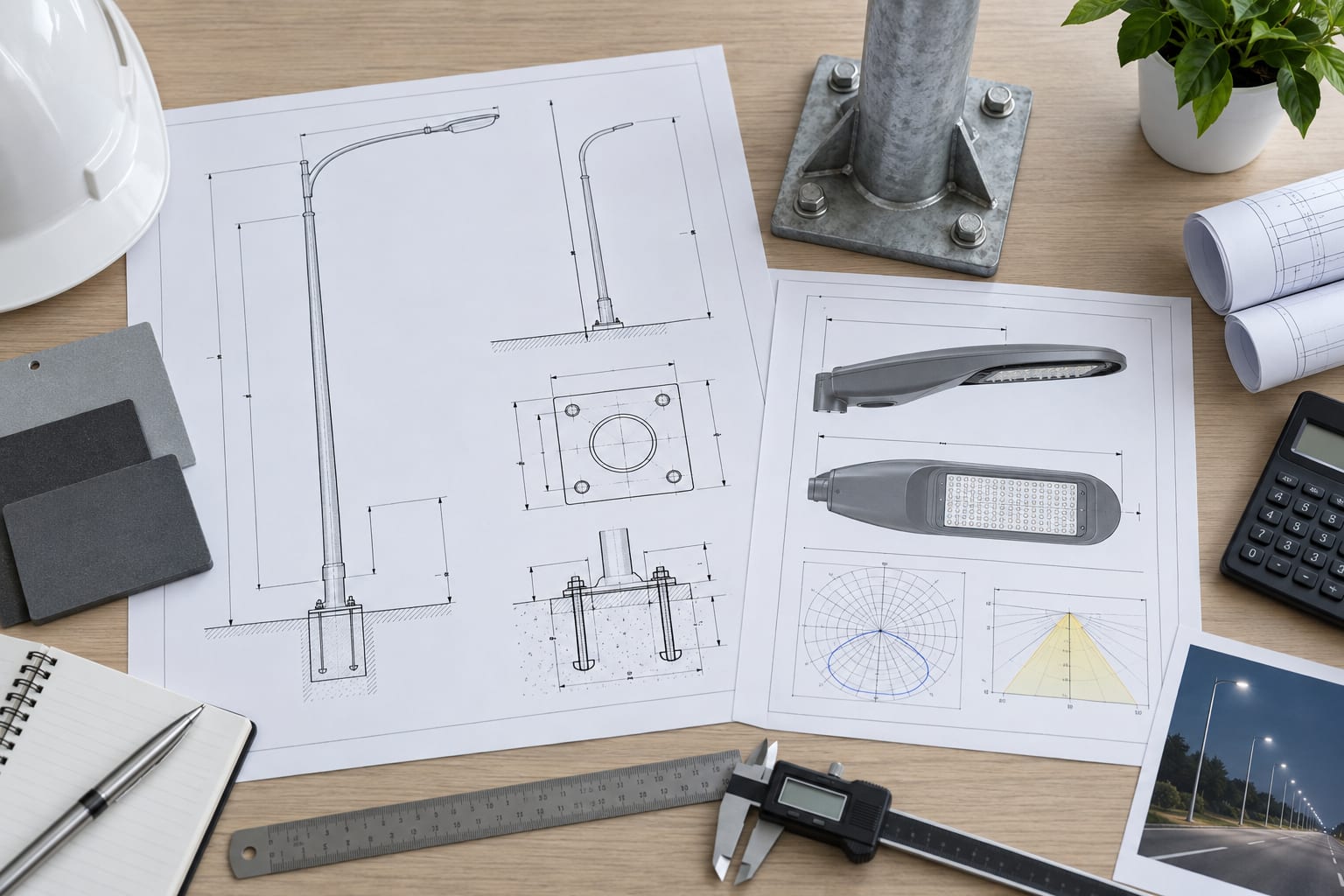
A shared technical schedule reduces bidder assumptions and later scope disputes.
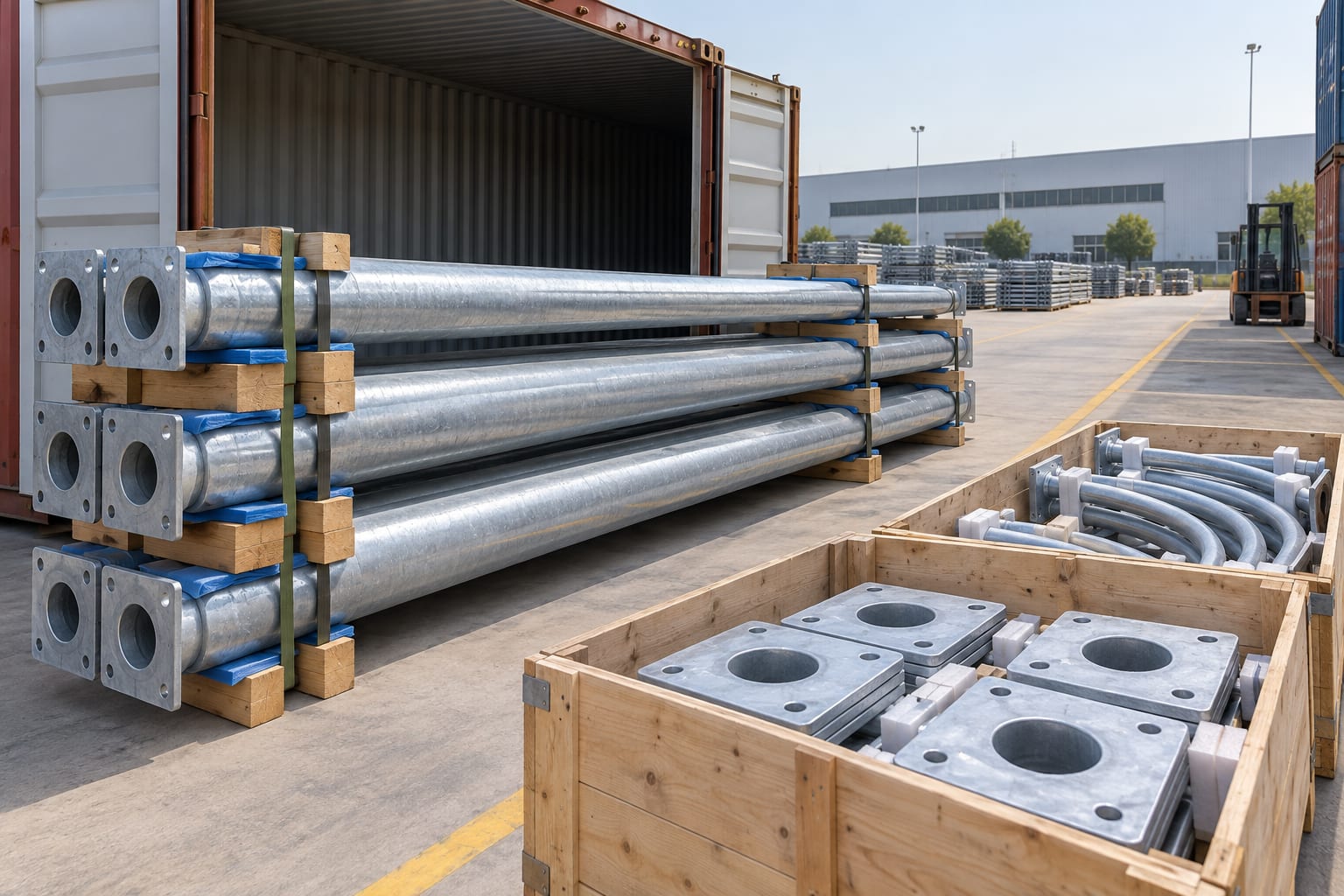
Packing method and shipment handover should be listed, not left as an unstated allowance.
Normalize quotations before selecting a supplier
Evaluate the same pole types and quantities against the same revision. Record every inclusion, exclusion, qualification and substitution. Request a revised comparable offer where a deviation affects safety or scope; do not silently add a guessed allowance. Keep optional items separately priced and document which drawing or specification each bidder used. The tender evaluation guide covers the broader supplier-review process.
Table 2. Bid comparison and clarification record
| Compare | Record for each bid | Clarify if missing |
|---|
| Technical basis | Type schedule, load assumptions, drawing revision | Different section, arm or attachment basis |
| Physical scope | Shaft, arms, base, anchors, door, fasteners, finish | Bare shaft quoted against full assembly |
| Documents and checks | Shop drawings, calculations, inspection records | Acceptance evidence or approval path excluded |
| Commercial boundary | Packing, delivery term, schedule, currency and validity | Freight, unloading or timing treated differently |
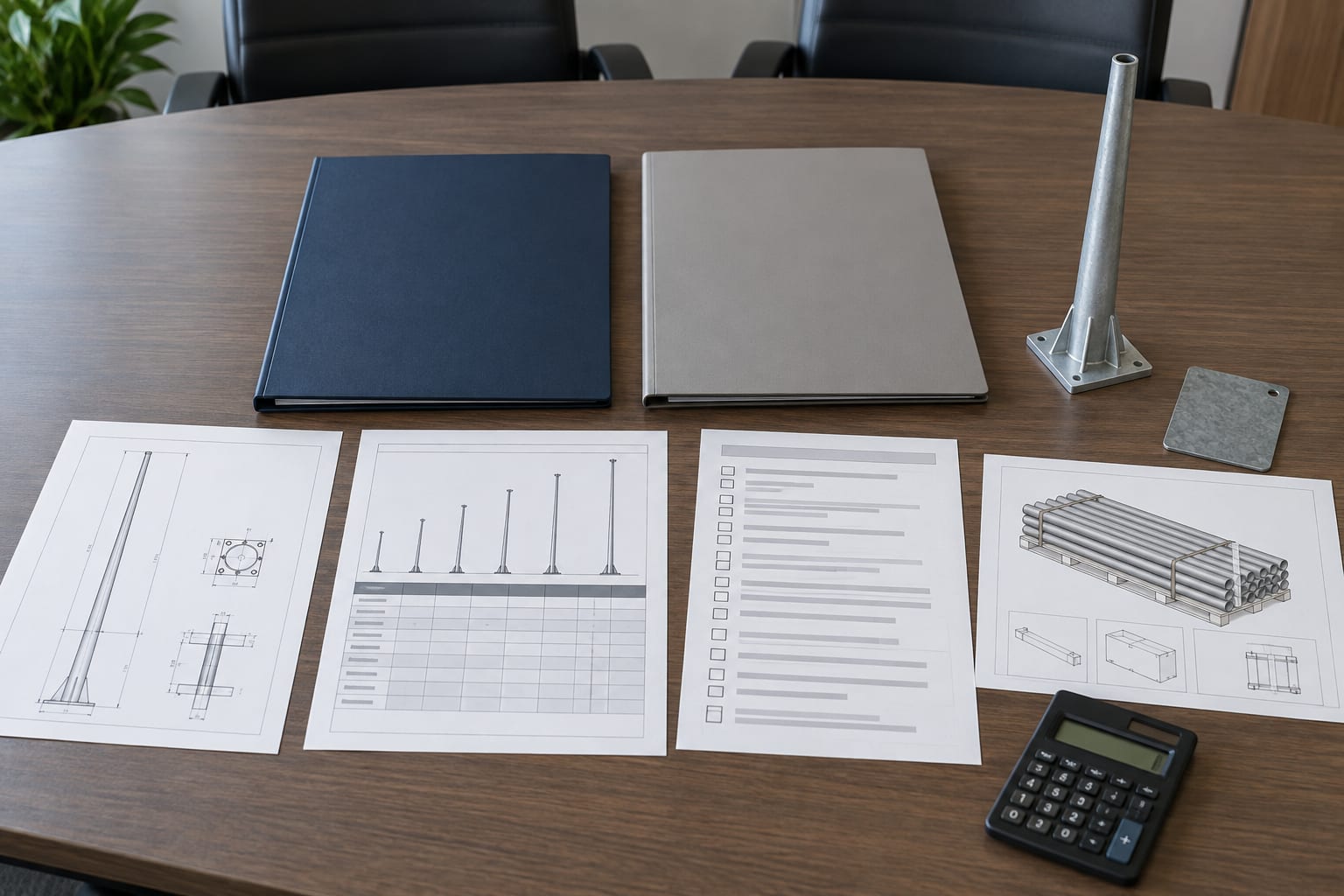
A lower total is meaningful only after the scope and assumptions are normalized.
Frequently asked questions
Can I get a price from pole height alone?
No. Height is one input; the arm, attached equipment, site loads, steel section, base and coating scope also affect the engineered assembly.
Are anchor bolts and foundations included?
Only if the quotation says so. Ask separately about anchor cages, templates, civil design, concrete work and installation.
Does a galvanized finish have one standard price?
No. The specified system, assembly design, inspection requirements, quantity and delivery basis must be defined before comparison.
What should I send for a comparable quotation?
Send the pole type schedule, luminaire data, project loading basis, base interface, finish specification, documentation requirements, quantity, destination and delivery term.
How should I compare a cheaper bid?
Check its drawing revision, included components, design assumptions, inspection evidence and exclusions before evaluating the total.
Need a project-specific scope review? Send the type schedule and drawings so the quotation basis can be checked before release.