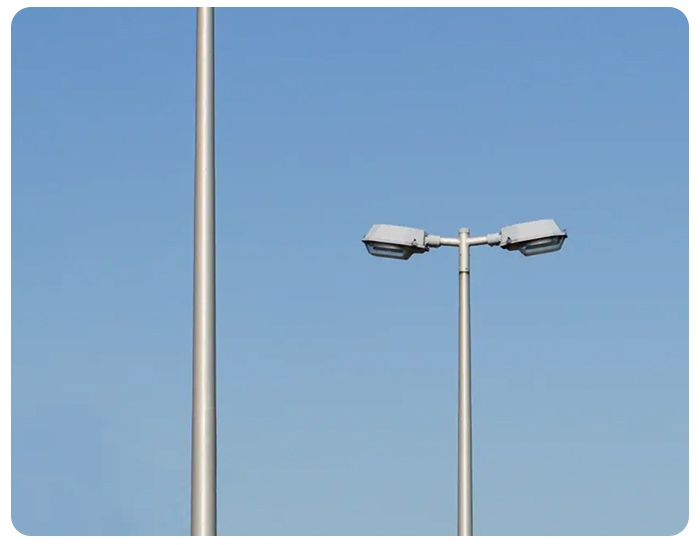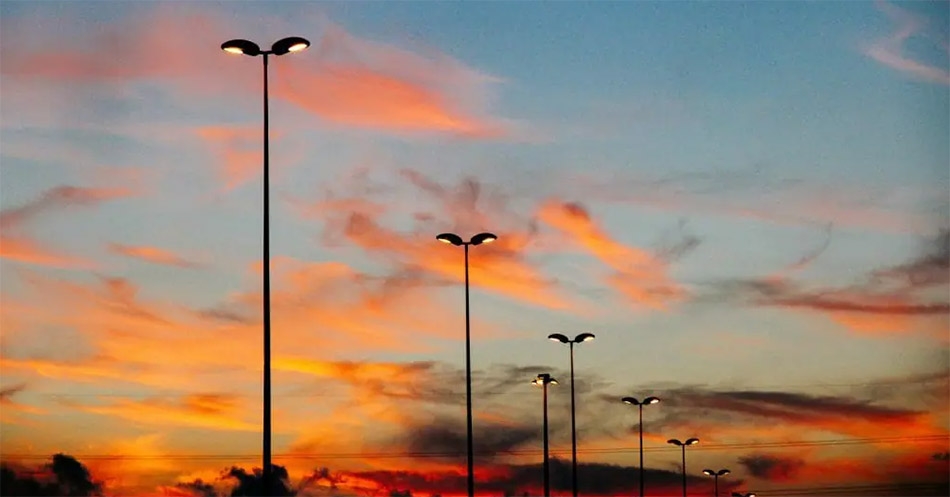


In reality, the cost of a street light pole is not determined by a single factor. It is a combination of material, structural design, surface treatment, logistics, and project-specific requirements. This guide breaks down the key factors that directly impact street light pole pricing, helping buyers avoid overpaying—or under-specifying. |
|
Table of Contents |
4. Wind Resistance Engineering and Structural Pricing Factors |
1. Street Light Pole Material Cost: What Determines Your Final Price?Material cost is the foundation of street light pole pricing. In most procurement projects, this part alone accounts for nearly 40%–60% of the total pole cost, depending on structural requirements and application environment. For buyers, material selection is not just about price—it directly affects wind resistance, service life, and maintenance frequency.
1.1 How Steel Grade (Q235 / Q345 / ASTM) Affects Procurement Cost Steel grade is one of the most important decision points in international procurement. Different standards are used depending on project location, wind load requirements, and engineering codes. |
Steel Grade | Standard / Origin | Key Characteristics | Typical Applications | Cost Impact |
Q235 | China standard | Basic strength, cost-efficient | Urban roads, residential areas | Baseline |
Q345 | China high-strength steel | Higher tensile strength, better wind resistance | Highways, industrial zones | +10% ~ +25% |
ASTM A36 | US standard | Stable mechanical performance, widely accepted in exports | International municipal projects | +5% ~ +15% |
ASTM A572 | US high-strength grade | High load capacity, suitable for harsh environments | Ports, coastal/high wind areas | +15% ~ +30% |
Most price differences between suppliers come from steel substitution. Two poles that look identical externally may have completely different load-bearing performance if steel grades differ. |
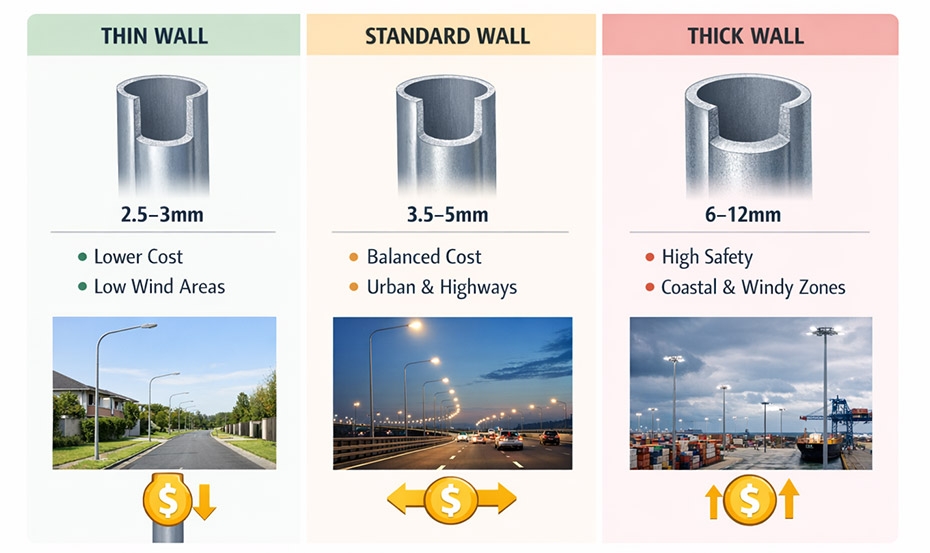
1.2 Wall Thickness vs Safety: How Buyers Control Budget and Risk Wall thickness directly affects both price and structural safety. It is one of the most practical parameters buyers can adjust during procurement. In most projects: 2.5–3mm → suitable for low wind urban areas 3.5–5mm → standard choice for roads and highways 6mm+ → required for coastal or high wind environments Cost impact: Increasing thickness by 1mm typically raises the pole cost by 8%–15%. How Buyers Make the Right Choice In real projects, thickness selection is not about choosing the highest spec, but the right balance between cost and environment: Lower thickness → lower upfront cost, but higher risk in strong wind Standard thickness → stable performance for most projects Reinforced thickness → higher investment, but long-term reliability
Practical tip: Most engineering projects do not fail due to material quality, but due to under-designed thickness for local wind conditions. |
Wall Thickness Vs Safety: Balancing Cost and Durability
Pole Height | Typical Application | Key Advantage | Cost Level |
6–12m | Urban roads, residential streets | Cost-effective, easy installation | Low |
12–30m | Highways, industrial zones | Wider coverage, fewer poles needed | Medium–High |
30m+ | Ports, stadiums, large areas | Maximum coverage, centralized lighting | High |
Choosing a higher pole reduces the number of poles needed—but increases single unit cost and structural requirements. |
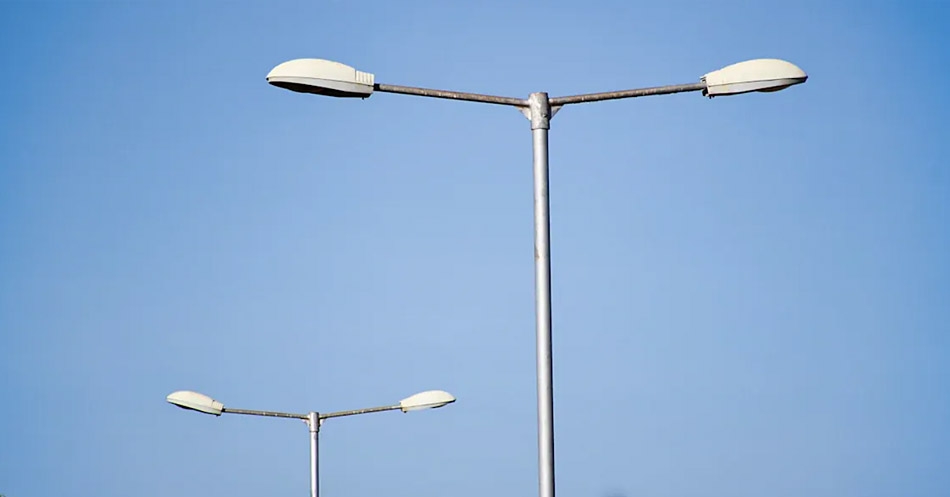
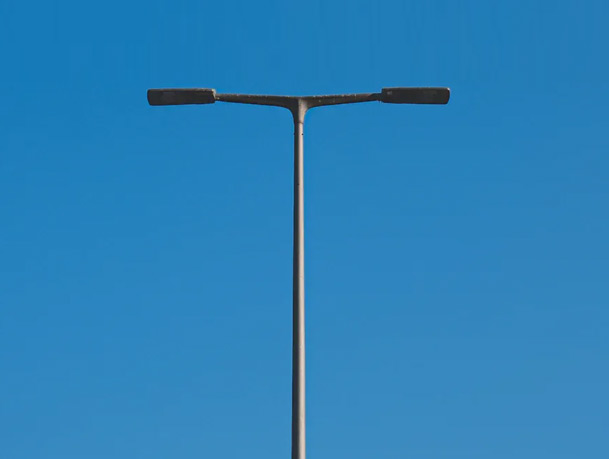
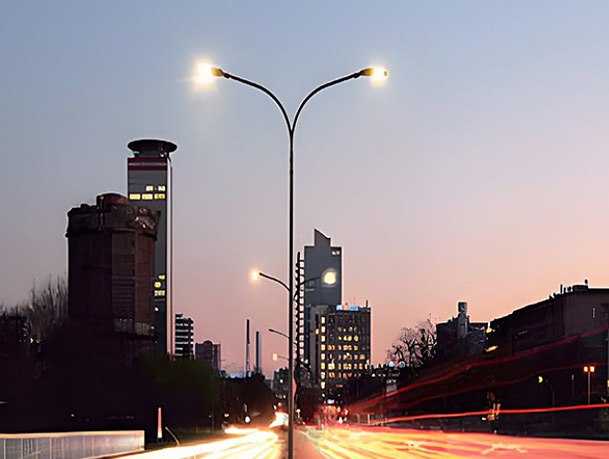
2.1 6m–12m Poles for Roads and Urban Projects : This is the most commonly used range for standard road lighting. Suitable for: streets, communities, small industrial roads,Easy to transport and install,Lower wind load requirements
2.2 12m–30m Poles for Highways and Industrial Areas:Used where wider lighting coverage is required. Suitable for: highways, logistics parks, factory zones,Reduces pole quantity (better spacing),Requires stronger structure and foundation
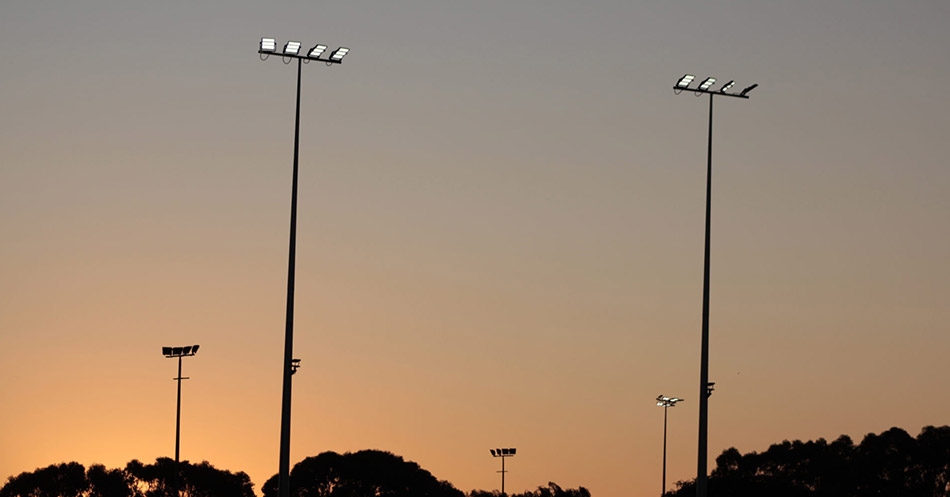
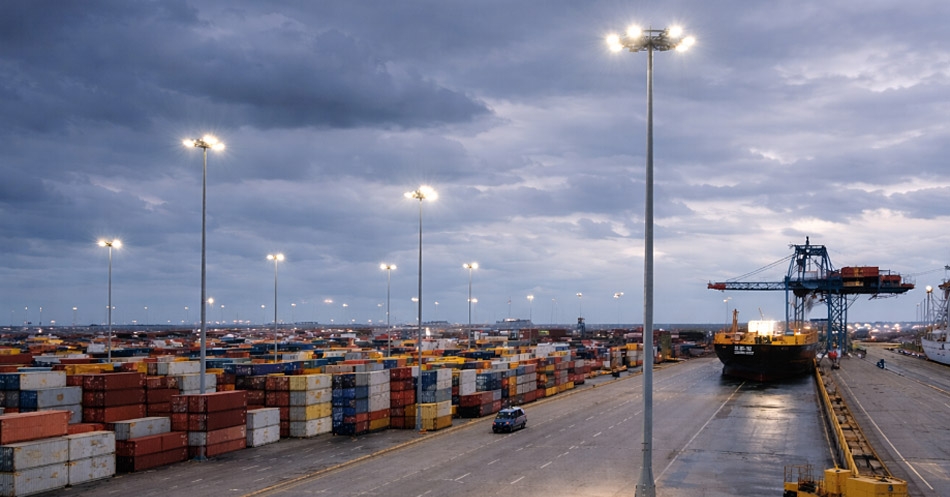
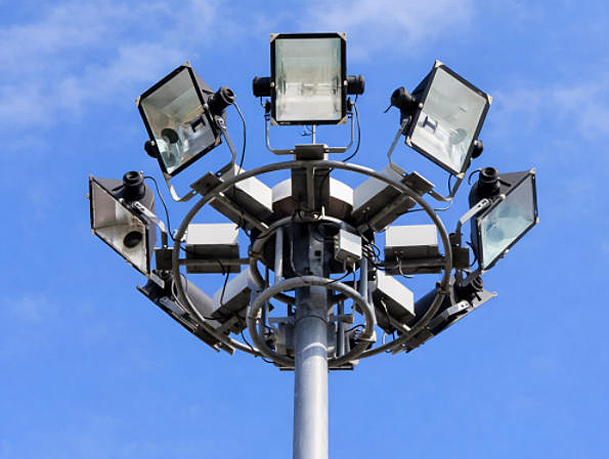
2.3 High Mast Poles (30m+) for Large Projects:Designed for large-scale lighting environments. Suitable for: ports, stadiums, airports, large plazas,Covers a wide area with fewer poles,Often includes raising/lowering systems
|
Zinc Coating Thickness | Typical Application | Expected Lifespan | Cost Impact |
60–80 μm | Inland / low humidity areas | 10–15 years | Base |
80–100 μm | Standard export projects | 15–25 years | +5% ~ 10% |
100 μm+ | Coastal / industrial zones | 20–30 years | +10% ~ 15% |
A slightly higher galvanizing cost can significantly reduce long-term maintenance and replacement expenses.
3.2 Powder Coating Options for Aesthetic or Municipal Projects Powder coating is usually applied on top of galvanizing. It adds both visual appearance and extra protection. Common use cases: City streets with uniform design requirements,Government or branding projects,Decorative lighting poles,When Powder Coating Is Worth the Cost,You need customized colors (RAL standard),The project requires long-term appearance consistency,The environment includes UV exposure or pollution
Cost impact: Typically adds 8%–20% to the pole price most projects can follow this logic: Inland project → standard galvanizing is enough,Coastal / humid → increase galvanizing thickness,Municipal / decorative → add powder coating |
Region Type | Design Wind Speed | Application Scenario | Cost Impact |
Inland areas | 30–35 m/s | Cities, residential roads | Base |
Coastal regions | 40–50 m/s | Coastal roads, ports | +15% ~ 25% |
Typhoon / extreme zones | 50–60 m/s | Southeast Asia, islands | +25% ~ 40% |
Higher wind speed does not just mean “stronger pole”—it requires thicker steel, larger base plates, and reinforced structure, which all increase cost.
4.2 Structural Reinforcement Impact on Project Budget To meet higher wind resistance requirements, manufacturers must upgrade multiple structural components—not just material thickness. Key Reinforcement Areas:Pole wall thickness increase, Larger base plate size, Stronger anchor bolts, Reinforced welding and structure design Instead of one single change, wind resistance affects the entire system: Material cost increases: +10%–25%, Structural reinforcement: +10%–20%,Foundation cost increase: up to +20%–30%,Total project cost difference can reach 20%–40% |
Supply Method | Cost Impact | Key Difference |
Trading Company | Higher | Added margin + limited technical support |
Manufacturer Direct | Lower | Factory price + engineering optimization |
1. Why do custom street light poles cost more than standard poles? Custom street light poles require special design, additional materials, and more complex production processes.Unlike standard poles, they cannot be mass-produced, which increases both manufacturing time and cost. In most cases, custom designs increase the price by 15%–50%.
2. What type of customization affects price the most? The biggest cost drivers in custom street light poles include: Pole height and diameter,Number of arms (single vs double),Special shapes or decorative designs, Structural changes usually have a bigger impact than small accessories.
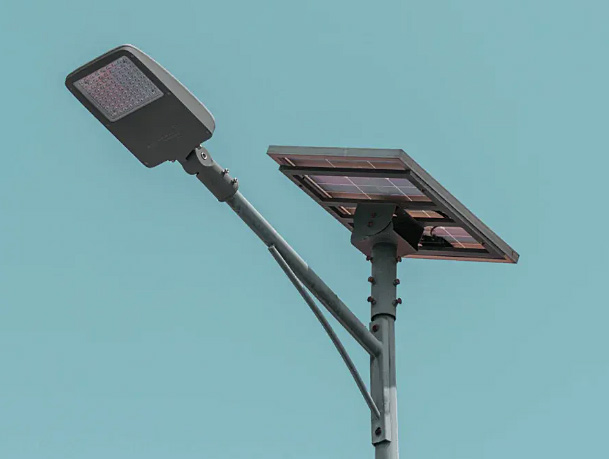
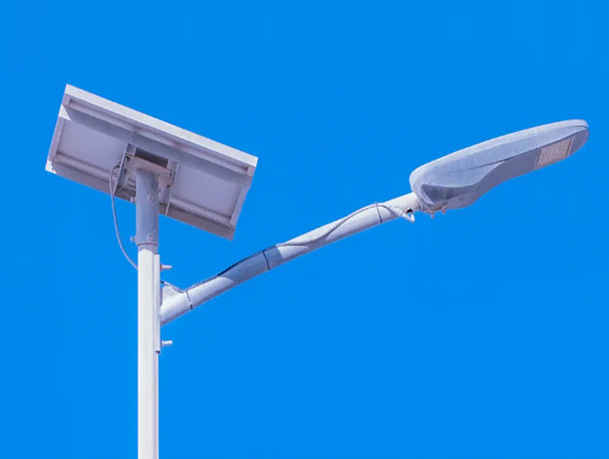
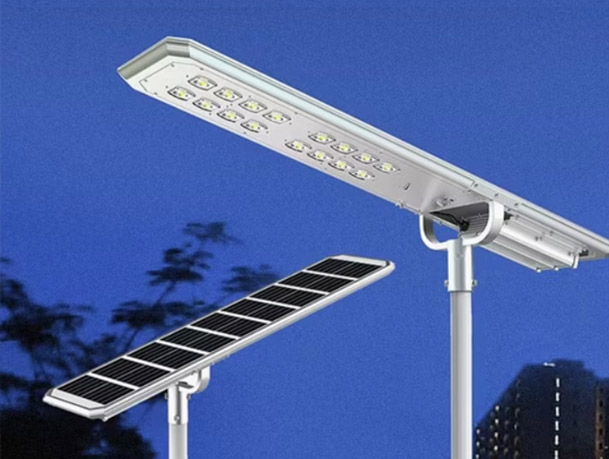
3. Does adding solar panels increase the cost of a lighting pole? Yes. A solar street light pole requires additional components such as:Solar panel brackets,Battery systems, Controller units,This can increase the total cost by 10%–25% or more, depending on system size.
4. Do I need a custom pole for my project? Not always. Many projects can use standard street light poles with minor adjustments. Customization is only necessary when:The installation environment is unique, Additional equipment needs to be mounted, The project has specific design requirements
5. How can I avoid overpaying for a street light pole? To control cost effectively:Choose the right height and thickness (not the highest), Avoid unnecessary customization,Match the design to your actual application,The goal is to balance performance and budget.
6. Can one supplier offer both standard and custom street light poles? Yes. Most experienced street light pole manufacturers provide both options.Working with a manufacturer directly allows you to: Compare standard vs custom solutions,Optimize your design, Get a more accurate quotation |
Still unsure which pole fits your project? Contact us for a quick recommendation. |
Contact Us
Get a custom lighting solution and quotation for your project. Outdoor lighting manufacturer in Yangzhou, ChinaAbout Jieyao LightingYangzhou Jieyao Lighting Equipment Co., Ltd. is an outdoor lighting manufacturer focused on solar street light systems and high mas... Do you have any questions or requests?
Email: jay@jieyaolighting.com

Click to Chat.
Im online now.