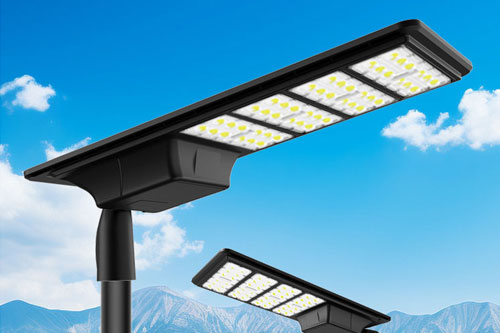


Hot-dip galvanized light poles offer stronger protection. They have a thicker and more durable zinc coating.
When installing light poles outdoors, strong corrosion resistance and durability are important. Rain, wind, and pollution can quickly damage metal.
When choosing a light pole, people want it to last for many years and still look good.
The right protection helps light poles resist harsh weather and everyday wear.
Key takeaways
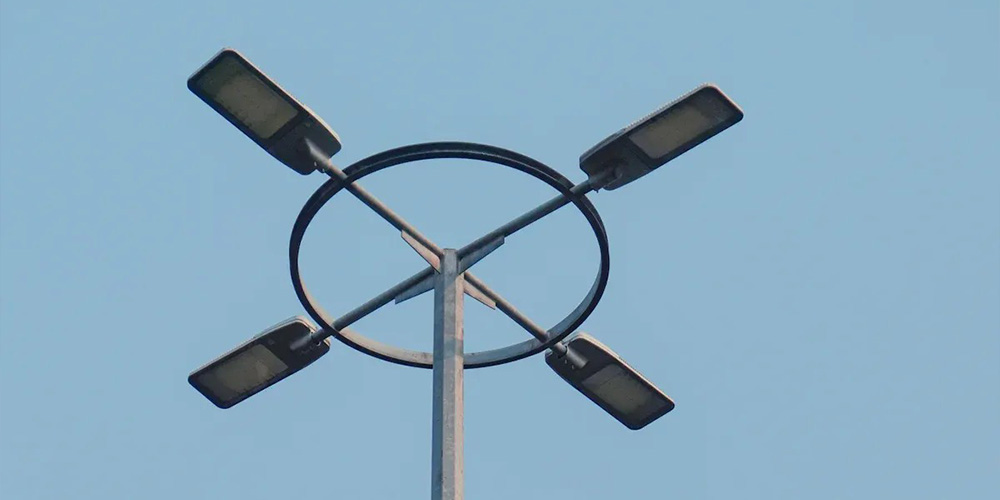
l Hot-dip galvanized light poles have a thick zinc layer. This layer helps prevent rust and corrosion. They perform well in outdoor environments.
l Cold galvanized light poles usually use zinc-rich paint for protection. However, this coating does not last long. It needs more frequent maintenance. It is better suited for small projects or indoor use.
l Hot-dip galvanized light poles have a higher upfront cost. But they last longer and require fewer repairs. Over time, this can save money.
l In harsh environments such as coastal areas or heavily polluted cities, hot-dip galvanizing works best. It helps poles stay durable for a long time.
l Regular cleaning and rust inspections can extend the service life of light poles. This is also very important for hot-dip galvanized poles.
Galvanizing Methods
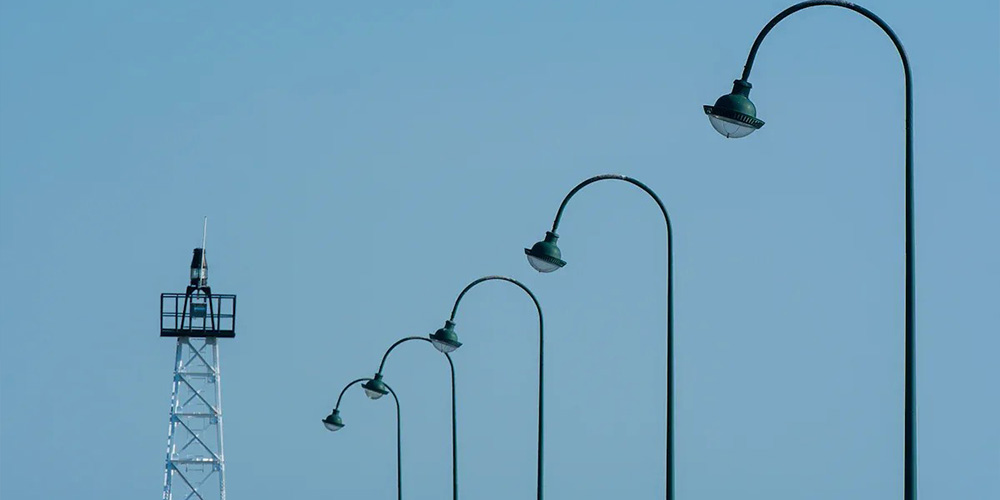
Hot-Dip Galvanized Lighting Poles
Choosing hot-dip galvanized lighting poles provides a structural solution that combines strength and long-term durability.
This process forms a uniform, relatively thick zinc protective layer on the metal surface, using high-temperature metallurgical reactions to bond zinc firmly with steel, significantly enhancing corrosion resistance.
This zinc–steel bonded layer effectively blocks moisture and oxygen, reducing the risk of corrosion and extending the service life of lighting poles in outdoor environments.
It maintains stable performance even under high humidity or complex weather conditions.
The main process steps are shown in the table below:
Step | Description |
Material selection | You pick strong steel or aluminum and check for quality. |
Fabrication | Workers cut, shape, and weld the metal to make the lamp post. |
Surface preparation | They clean and remove grease so the zinc sticks well. |
Hot dip galvanizing | The post goes into hot, melted zinc at about 850°F (450°C). |
Inspection | Experts check the coating for thickness and smoothness. |
Final assembly | They add lights and wiring to finish the lamp post. |
Packaging and shipping | The finished lamp post gets packed and sent to you. |
Hot-dip galvanized lighting poles deliver excellent durability and strong protection. The zinc coating forms a metallurgical bond with the metal substrate, allowing it to remain intact even when the pole is scratched or impacted. This process is particularly well-suited for outdoor environments and heavy-duty applications, maintaining long-term and stable corrosion resistance performance.
Cold Galvanized Lighting Poles
Cold galvanizing uses a different protection approach by applying a zinc-rich coating onto the surface of the lighting pole.
This layer adheres physically to the metal substrate rather than forming a metallurgical or chemical bond, resulting in comparatively lower protection performance and greater susceptibility to wear over time or under mechanical abrasion.
Application is typically carried out using brushing, rolling, or spray techniques, offering flexible installation and making it suitable for touch-up work or light-duty corrosion protection requirements.
Below is a quick comparison of the two methods:
Feature | Hot-Dip Galvanizing | Cold Galvanizing |
Method | Chemical bond with molten zinc | Zinc-rich paint applied to surface |
Protection Level | High durability and abrasion resistance | Lower protection, mainly a coating |
Bonding | Strong chemical bond | Mechanical bond, less durable |
Application Process | Immersion in molten zinc | Brush, roller, or spray |
Suitability for Structures | Good for heavy-duty and outdoor use | Better for small or indoor projects |
Hot-dip galvanized lighting poles deliver superior durability and abrasion resistance.
In contrast, cold galvanizing offers more limited protection, as its zinc coating may gradually flake or degrade over extended service periods.
For long-term outdoor applications, hot-dip galvanizing is generally the more dependable option, providing extended service life along with consistently stable corrosion defense for lighting structures.
Protection Comparison
Corrosion Resistance
Lighting poles are expected to operate reliably over long service lifetimes.
However, rain, humidity, and air pollution all accelerate metal corrosion.
Because of this, corrosion resistance is essential for maintaining structural strength and extending service life.
Hot-dip galvanized lighting poles are coated with a zinc layer.
This coating provides strong resistance to corrosive exposure.
Zinc reacts with oxygen in the air.
It forms a dense oxide layer.
This layer continues to protect the surface over many years, helping extend the pole’s lifespan.
Note: Salt spray testing does not always reflect the true strength of hot-dip galvanized coatings. These tests keep the surface continuously wet. This condition can prevent natural protective rust layers from forming. In real outdoor environments, controlled oxidation actually contributes to long-term protection.
When comparing the two methods, the difference becomes very clear:
Feature | Hot-Dip Galvanizing | Cold Galvanizing |
Corrosion Resistance | Excellent, withstands harsh outdoor environments. | Moderate, suitable for mild conditions. |
Hot-dip galvanized lamp posts offer significantly stronger corrosion resistance.
They perform reliably in harsh environments as well as coastal regions.
The zinc coating provides effective shielding against salt spray, moisture, and airborne pollutants.
As a result, service life is extended, and long-term structural stability is maintained.
Durability
Durability refers to how long lighting poles can perform in outdoor conditions.
Hot-dip galvanized poles typically last between 20 and 50 years.
Their thick zinc layer provides continuous protection for the internal steel.
Even if the surface is scratched, the underlying metal remains well shielded.
In contrast, cold-galvanized poles rely on zinc-rich paint coatings.
Their service life is generally around 5 to 10 years.
Repainting or repair work may be required much earlier during use.
Some common issues that may occur in both systems include:
l Poor surface preparation can leave exposed bare spots
l Weak adhesion may lead to peeling or flaking
l Moisture reaching the steel can result in rust formation
l Wrinkling or sanding marks may affect visual consistency
Tip: Choosing a reputable manufacturer helps prevent most of these issues. Proper installation and correct handling conditions also play a key role in extending service life.
Feature | Hot-Dip Galvanizing | Cold Galvanizing |
Durability | Long-lasting (20–50 years) | Shorter lifespan (5–10 years) |
Coating Thickness
Zinc coating thickness plays a key role in overall protection performance.
Hot-dip galvanized lamp posts feature a significantly thicker zinc layer.
This heavier coating provides stronger shielding and extends service life.
A greater coating thickness also delivers longer-lasting isolation from environmental exposure.
It improves resistance to corrosion over time and supports more stable long-term performance.
Feature | Hot-Dip Galvanizing | Cold Galvanizing |
Coating Thickness | 65–120 microns | 5–15 microns |
You can observe how coating thickness varies with steel size.
Larger steel sections typically support a thicker zinc layer, resulting in stronger protection.
Smaller components, on the other hand, tend to have a thinner coating to ensure even coverage and proper adhesion.
Item Description | Minimum Average Coating Thickness (um) |
Steel Items, 5mm thick and over | 85 |
Steel Items between 2mm and 5mm thick | 65 |
Steel Items under 2mm thick | 47 |
Thicker coatings help lighting poles better withstand wind and rain exposure.
This is especially important in regions prone to hurricanes or consistently high humidity.
In addition, extra finishing systems such as powder coating combined with galvanizing can further enhance overall protection.
Hot-dip galvanized lamp posts feature a thicker and more robust zinc layer, allowing them to maintain reliable protection over many years of service.
Cost and Maintenance
Initial Cost
Hot-dip galvanized lighting poles generally come with a higher upfront cost.
The process requires molten zinc and specialized equipment, which increases overall manufacturing expenses.
In contrast, cold-galvanized poles use zinc-rich paint coatings.
Application is simpler, and both material and labor costs are lower.
As a result, cold galvanizing can be a more budget-friendly option, especially for smaller projects or quick repair work.
Pole Type | Initial Cost | Maintenance | Replacement | Total Cost |
Painted Steel | Low | High | Frequent | High |
Galvanized Steel | Moderate | Minimal | Rare | Low |
Aluminum | High | Moderate | Occasional | High |
Maintenance Requirements
The durability and appearance of lighting poles largely depend on their installation environment.
Maintenance needs vary based on site conditions.
In harsh environments, more frequent inspection and cleaning are required.
Coastal areas contain high salt levels, and salty air accelerates metal corrosion.
In urban settings, air pollution leads to dust buildup and surface rust.
In snowy regions, repeated freeze–thaw cycles can cause micro-cracking and structural stress over time.
Environmental Condition | Impact on Maintenance Requirements |
Harsh environments | Need poles that can handle tough weather, so you do more maintenance. |
Coastal regions | Salt makes rust happen faster, so you check them often. |
Urban zones | Pollution brings dirt and rust, so you clean and fix them more. |
Snowy climates | Freezing and thawing can crack the metal, so you need extra care. |
Cold-galvanized lighting poles typically require more frequent touch-ups.
Repainting is often necessary to slow down rust formation.
In contrast, hot-dip galvanized poles demand far less maintenance.
Their thick zinc layer provides long-term protection for the underlying steel.
Tip: Cold galvanizing works well for quick repairs or localized treatment. It helps reduce initial coating costs, but its protective performance gradually decreases over time.
Long-Term Value
Cost decisions should consider long-term returns. Hot-dip galvanized lighting poles have a higher initial investment, but they usually deliver lower total cost over their full service life. They last longer and require fewer repairs, which reduces ongoing expenses.
In contrast, cold-galvanized poles wear out more quickly. Over time, maintenance and replacement costs accumulate, often resulting in higher overall spending.
In some large-city projects, galvanized poles have shown nearly 30% cost savings over a 25-year lifecycle. This demonstrates that, even with higher upfront spending, the long-term economics remain more favorable.
Galvanized lighting poles help reduce maintenance costs over many years. They also decrease replacement frequency and keep structures stable and safe for extended periods.
When all cost factors are considered, hot-dip galvanized poles generally offer better overall value. Over time, total expenditure is lower, while performance remains consistent and reliable.
Environmental Adaptability
Outdoor Use
Lighting poles must remain stable in outdoor environments over long periods. Rain, strong winds, and high humidity can all accelerate metal degradation and corrosion.
Hot-dip galvanized poles provide superior protection under harsh outdoor conditions. The zinc coating acts as an effective barrier, keeping moisture, oxygen, and salt away from the steel substrate and reducing the risk of corrosion.
In addition, the zinc layer offers a form of self-protecting behavior. When slightly damaged, it can form protective oxidation products that slow down rust propagation. This results in longer-lasting performance with minimal maintenance requirements.
How the zinc coating protects your lighting pole:
Protective Mechanism | Description |
Barrier Protection | Zinc separates steel from moisture, oxygen, and salt, lowering the risk of rust. |
Cathodic Protection | Zinc sacrifices itself to protect steel if the coating gets damaged. |
Zinc Patina Formation | A self-healing layer forms on the zinc, making the lamp post last longer. |
You can expect these lighting poles to last between 25 and 50 years in outdoor environments. In regions with high humidity or frequent rainfall, the zinc layer continuously blocks corrosive elements, helping prevent rust formation and structural degradation while maintaining long-term stability.
Urban and Coastal Areas
Urban and coastal environments present different corrosion challenges. In cities, air pollution and acid rain gradually erode metal surfaces. Near the coast, high salt content in the air significantly accelerates rust formation.
Hot-dip galvanized lighting poles perform well in both conditions. Even in harsh coastal environments, they can provide around 20 to 30 years of corrosion protection. The zinc coating slows down the corrosion process, reducing replacement frequency and lowering maintenance costs.
l In coastal areas, corrosion rates are higher. However, the zinc layer becomes more stable over time and continues to form a protective barrier.
l In urban environments, the coating helps shield the pole from pollutants and acid rain.
For seaside locations or dense urban zones, hot-dip galvanized lighting poles are generally the more reliable choice.
Small-Scale vs Large-Scale Projects
Project scale plays an important role in selecting the right protection method. For large outdoor installations, hot-dip galvanizing provides stronger structural durability and long-term performance for lighting poles. Over time, reduced maintenance needs can also help lower overall lifecycle costs.
For smaller or lower-risk applications, cold galvanizing may be sufficient. It can be used for quick touch-ups or indoor lighting poles through zinc-rich coatings. While it is more cost-effective, its long-term outdoor protection is more limited.
Tip: Hot-dip galvanizing is recommended for harsh environments and large-scale projects. Cold galvanizing is better suited for small, indoor, or low-risk applications.
Choosing the Right Method
Needs Assessment
Before selecting a lighting pole protection method, you should first define the installation environment. Outdoor areas with heavy rain, strong winds, or high salt exposure typically require stronger corrosion protection. Hot-dip galvanized poles perform better in these conditions, thanks to their thick and durable zinc layer that provides long-term shielding.
If the poles are planned for urban zones, coastal regions, or industrial sites, a higher level of anti-corrosion protection is necessary to withstand more complex environmental stress.
Local regulations are also important. For example, regions such as California and Texas require corrosion-resistant materials for lighting poles. These standards help ensure long-term structural safety and reliability.
Professional guidelines generally recommend selecting high-quality steel and matching pole specifications to actual project requirements.
You can refer to the table below for appropriate zinc coating thickness levels:
Steel Thickness (mm) | Zinc Layer Thickness (μm) | Zinc Content per Unit Area (g/㎡) |
3 ≤ thickness < 6 | ≥ 70 | ≥ 505 |
≥ 6 | ≥ 85 | ≥ 606 |
Budget Considerations
When planning a budget, it is important to balance costs against protection requirements. Hot-dip galvanized lighting poles have a higher upfront price, but they reduce long-term maintenance and repair needs. Over time, this can lead to lower total lifecycle costs.
In comparison, cold-galvanized poles require less initial investment. However, they may generate higher expenses later due to more frequent repairs and replacements.
The table below compares the cost differences between the two options:
Parameter | Hot-Dip Galvanized Steel | Pre-Galvanized Steel |
Material Cost | Higher | Lower |
Installation Cost | Slightly higher | Lower |
Long-Term Cost | Lower | Potentially higher |
For small-scale projects or quick repair needs, cold galvanizing is an effective and cost-efficient option. It meets short-term or localized protection requirements at a lower expense.
For large-scale installations or harsh environments, investing more upfront in hot-dip galvanizing typically delivers stronger long-term value and more consistent performance over time.
Longevity Goals
You want lighting poles to last as long as possible. In demanding industrial environments, hot-dip galvanized poles can reach a service life of up to around 73 years. The thick zinc layer continuously resists corrosion, even under heavy pollution, and protects the internal steel structure.
For long-term performance measured in decades, hot-dip galvanizing is usually the more reliable option. It is also important to verify compliance with recognized standards such as ISO 1461, which helps ensure consistent corrosion protection and product quality.
Tip: Consider your environment, budget, and expected service life together. A well-balanced decision improves safety and reduces total cost over time.
Overall, hot-dip galvanized lighting poles offer stronger protection and a longer lifespan than cold-galvanized alternatives. The table below highlights the key differences between the two methods.
Feature | Hot-Dip Galvanization | Cold Galvanization |
Protection Mechanism | Chemical, long-lasting | Physical, less consistent |
Process | Molten zinc bath | Zinc-rich paint |
Longevity | Durable, robust | Less reliable |
Consider your location, budget, and the level of maintenance you can provide. If you want the best possible performance, consulting a specialist is recommended.
To help extend the service life of your lighting poles, you can follow these basic maintenance practices:
l Clean the pole surface regularly using mild soap and water
l Inspect for rust and address it promptly when detected
l Check seals and gaskets on a routine basis to ensure proper condition
FAQ
What is the main difference between hot-dip galvanized and cold-galvanized lamp posts?
Hot-dip galvanizing immerses the pole in molten zinc, creating a thick, uniform protective layer.
Cold galvanizing applies a zinc-rich paint coating to the surface.
Overall, hot-dip galvanizing delivers stronger and longer-lasting corrosion protection.
Can cold-galvanized lamp posts be used outdoors?
Yes, but their service life is shorter.
The coating wears out more quickly, especially in harsh weather, so more frequent repainting or repairs are usually required.
How do you maintain hot-dip galvanized lamp posts?
Clean the surface with mild soap and water, and inspect regularly for rust or damage.
If scratches appear, clean and treat them promptly.
Compared with cold-galvanized poles, maintenance needs are significantly lower.
Are hot-dip galvanized lamp posts worth the higher cost?
Yes, in most cases.
Although the initial cost is higher, the longer lifespan and reduced maintenance needs help lower total long-term expenses.
Which method is better for coastal areas?
Hot-dip galvanized lamp posts are strongly recommended.
Their thick zinc coating provides superior resistance against salt air and coastal corrosion, ensuring more reliable long-term performance.
Contact Us
Get a custom lighting solution and quotation for your project. Outdoor lighting manufacturer in Yangzhou, ChinaAbout Jieyao LightingYangzhou Jieyao Lighting Equipment Co., Ltd. is an outdoor lighting manufacturer focused on solar street light systems and high mas... Do you have any questions or requests?
Email: jay@jieyaolighting.com

Click to Chat.
Im online now.