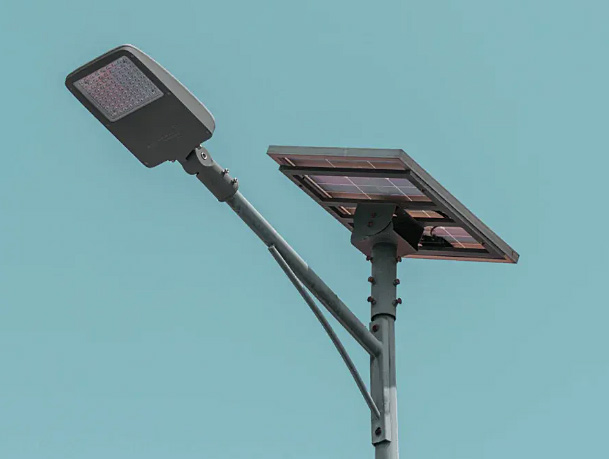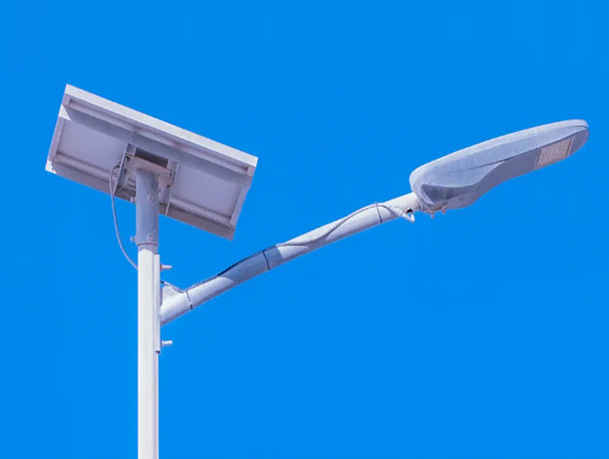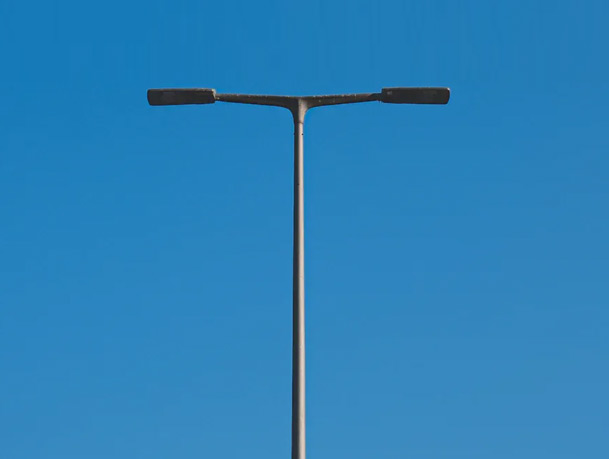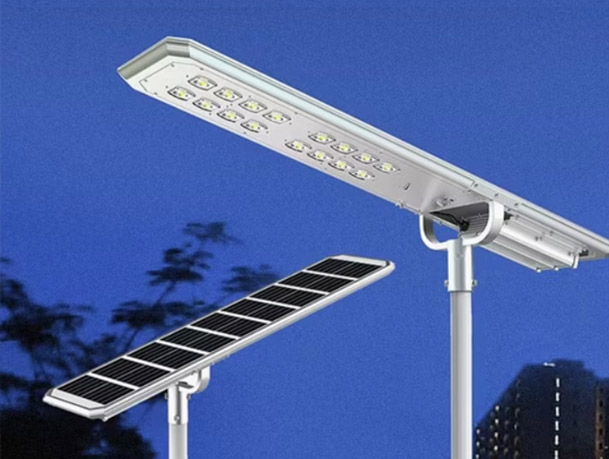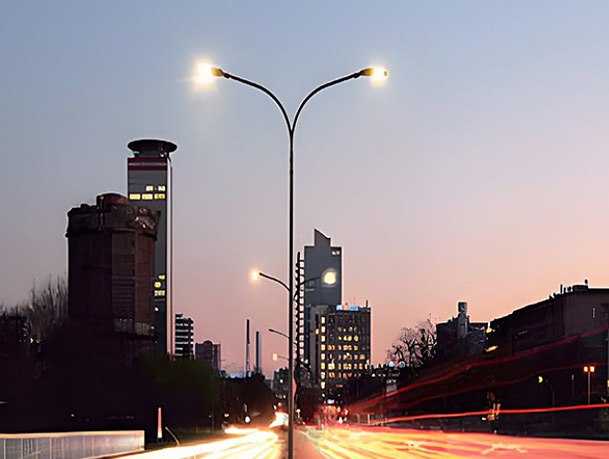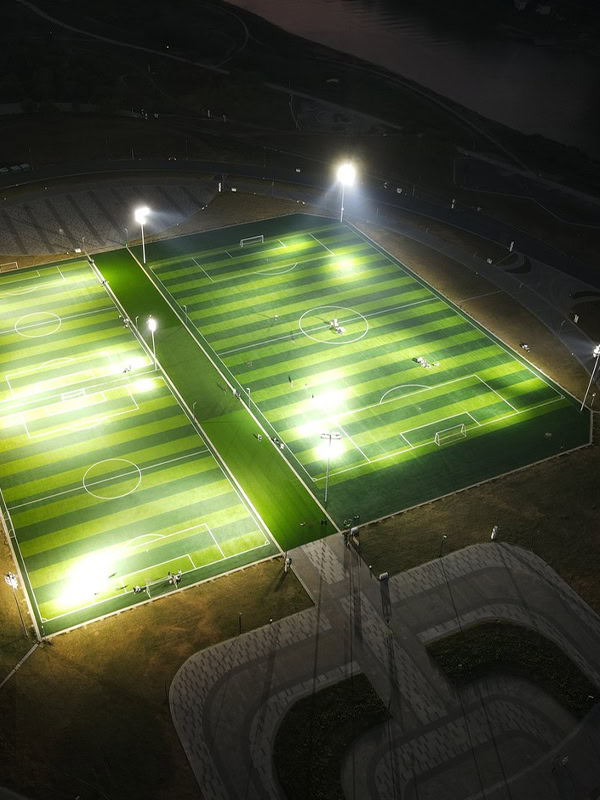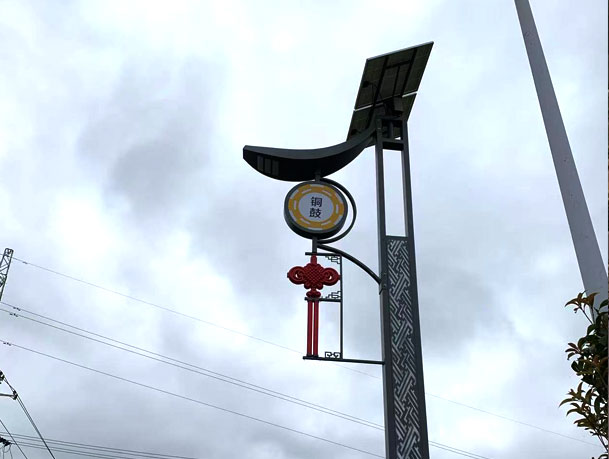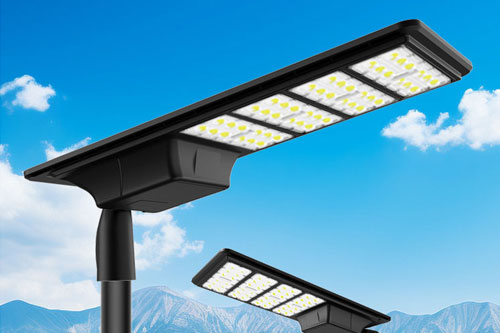


Streetlight poles are load-bearing support columns designed to raise lighting fixtures to their intended installation height, ensuring uniform illumination of roads, parking lots, and open areas while minimizing glare that could interfere with the vision of pedestrians and drivers. When selecting a streetlight pole, priority should be given to evaluating structural design options before determining the corresponding lighting solution. The core considerations for purchasers can be summarized into five key questions: the type of pole suitable for the operating conditions; the choice of steel or aluminum material; the standard pole height; the foundation anchoring solution; and whether the pole structure and anti-corrosion coating have been specifically designed to account for on-site wind pressure and the local corrosive environment.
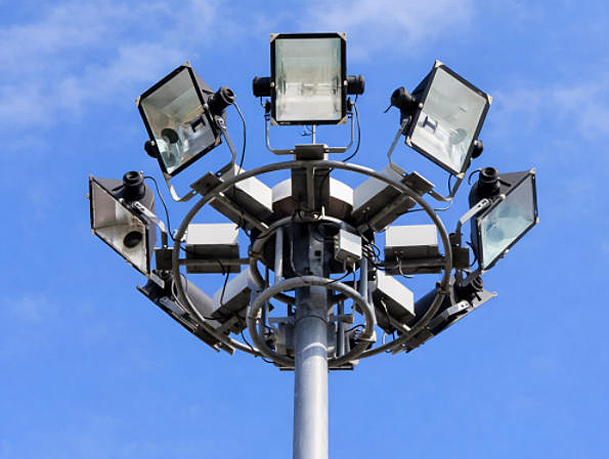
Mainstream streetlight poles on the market fall into four major categories: road streetlight poles, parking lot lighting poles, park landscape lighting poles, and large-scale high-mast lights.
Most buyers directly compare product catalog prices and delivery times; however, this approach to selection contains significant pitfalls. If the bolt hole positions on the delivered pole flanges do not match specifications, if generic EPA parameters are applied without specific calculations for the local wind zone, or if the anti-corrosion coating cannot withstand the coastal salt fog environment and fails after only a few years of use, the total cost of subsequent rectifications will far exceed the initial price difference saved.
This selection guide follows the standardized decision-making logic used by our factory’s engineering department when liaising with clients, providing a comprehensive and systematic explanation ranging from the load-bearing column structure to the terminal lighting fixtures.
The four light pole types and where each one belongs
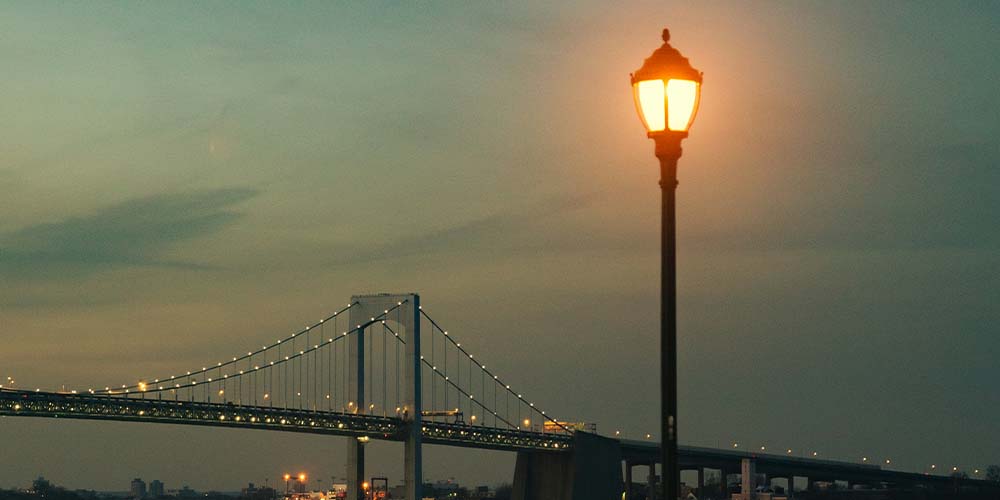
Light poles are classified based on their intended application rather than their appearance. The market is primarily divided into four major categories: road lighting poles, parking lot lighting poles, landscape lighting poles for parks and gardens, and high-mast lights. The structural parameters and light distribution specifications for each type of pole differ significantly. Selecting the pole type that best suits the application first can greatly simplify the subsequent selection process—pole height, light source power, arm configuration, and foundation specifications can all be adjusted according to specific requirements.
Road and alleyway poles can be equipped with single or dual luminaires, with the core design objective being to provide uniform, continuous illumination along linear roadways. Parking lots typically use round or square straight poles paired with multi-head lighting brackets, allowing light to evenly cover the grid of parking spaces. Poles in landscape areas tend to be shorter and more decorative in appearance, making them suitable for illuminating plazas, walkways, and campuses. High-mast lights reach heights of 15 meters or more, with multiple floodlights arranged in a ring at the top of the pole; they are commonly used at transportation hubs, ports, and large industrial complexes. In such scenarios, installing a large number of conventional low-mast lights would result in extremely high construction and maintenance costs, making it impractical.
A common misconception in the industry is assuming that different types of light poles are interchangeable simply because they look similar. If lightweight landscape poles are used on highway service roads, their wind bending moment resistance will be insufficient, posing a safety hazard; conversely, using heavy-duty highway light poles for courtyard lighting results in structural overdesign and wasted costs. The first step in selection is to match the pole type to the application scenario. A 6-meter landscape pole and a 12-meter road pole may only resemble each other in terms of paint finish, but their structural design standards are entirely distinct.
Once the pole type is determined, the next step is to finalize the light arm assembly plan. Road poles are paired with single- or double-sided cantilevered light arms, which suspend the luminaires above the traffic lanes via outward-extending brackets. Parking lot poles typically use a top-mounted radial installation structure, allowing for the mounting of 2 to 4 sets of light heads at angles of 90° or 120°, enabling a single pole to cover the entire parking area. High-mast lights are equipped with specialized luminaire mounting frames or lifting rings capable of supporting 4 to 8 floodlights; ultra-high masts are fitted with winch-based lifting mechanisms, allowing for luminaire maintenance to be performed from the ground without the need for aerial work platforms. Different light arm configurations directly alter the pole’s overall effective wind-exposed surface area, which is a core input parameter for structural stress calculations—and by no means a decorative accessory that can be arbitrarily adjusted at a later stage.
Steel vs aluminum: the material decision that drives cost and lifespan
Steel and aluminum alloy are currently the two main materials used for light poles. The selection of materials involves rigorous engineering trade-offs rather than mere subjective preference. Steel is the preferred choice for tall poles and heavy-load applications due to its higher structural strength and lower procurement costs; aluminum alloy, with its excellent corrosion resistance and minimal maintenance requirements, is better suited for light-load scenarios. It is not objective to discuss the merits and demerits of these materials in isolation from their specific application conditions; the suitability of a material is determined by a combination of pole height, equipment load, project budget, and the site’s corrosive environment.
Steel is a high-yield-strength iron-based structural material with outstanding bending load-bearing capacity and a lower unit cost than aluminum. As such, it is the standard choice for road poles, parking lot poles, and high-mast lights—structures that must withstand significant wind loads and the weight of the lighting fixtures themselves. The main drawback of steel is its susceptibility to rust; the overall service life of steel poles depends entirely on the anti-corrosion coating process, which will be discussed in detail below.
Aluminum alloy is a lightweight non-ferrous metal that forms a natural protective oxide layer on its surface, offering strong corrosion resistance and requiring minimal routine maintenance; however, aluminum is more expensive than steel for equivalent structural strength and has relatively weaker resistance to bending deformation in ultra-tall or heavy-load applications.
Light pole material | Best application | Strength-to-cost | Corrosion behavior | Maintenance |
Steel | Roadway, parking, high-mast, any tall/loaded pole | High strength at lower cost | Needs an engineered finish (galvanizing + coating) | Periodic finish inspection |
Aluminum | Garden, pathway, decorative, lighter loads | Lower strength per cost | Self-protecting oxide, resists corrosion | Low |
Based on our factory’s actual production selection criteria: for poles 8 meters or taller, or in applications where the load on the lighting fixtures is significant, steel light poles that have undergone comprehensive internal and external anti-corrosion treatment offer a more favorable total cost of ownership over their entire lifecycle. Only in special coastal environments with high salt fog levels and difficult maintenance conditions can the low long-term maintenance costs of aluminum alloy poles offset their higher purchase price. Our company manufactures both steel and aluminum poles in-house and will provide tailored solutions based on the project’s specific conditions, rather than prioritizing the sale of products that are easiest to ship.
There is another key metric that is rarely included in technical specifications: material fracture behavior. Steel possesses good ductility and undergoes significant deformation before fracturing; when struck by a vehicle, it can bend to absorb energy. Therefore, road authorities often design crash barriers or removable flange bases to complement the poles based on the specific needs of the road section. Aluminum alloy poles exhibit greater brittleness at their joints, and their mechanical behavior upon impact differs significantly from that of steel poles.
For customers purchasing light poles for roads open to traffic, material selection should not be based solely on corrosion resistance and cost; it is also essential to assess in advance the poles’ safety performance in the event of a vehicle collision. This critical point must be discussed and confirmed before placing an order.
Height by application: how tall your light pole should be
The height of a light pole is determined by its intended application and directly influences the selection of the appropriate LED light source power rating. Typical height ranges are as follows: 3–6 m for residential roads; 6–8 m for secondary urban roads; 8–12 m for main roads and highways; and 6–12 m for parking lot lighting poles. Pole height and light source power are interdependent: the taller the pole, the greater the light coverage area; to maintain the standard average illuminance on the road surface, a higher luminous flux output is required.
This is the stage where oversights are most likely to occur during the preparation of procurement technical specifications. Many procurement parties determine light pole heights based solely on renderings or reference photos, then arbitrarily pair them with off-the-shelf products from lighting manufacturers. This ultimately leads to two extremes in road surface illumination: either concentrated light spots create localized bright patches with noticeable dark areas between sections, or excessive light spill results in wasted energy. Light pole height, pole spacing, and luminaire light distribution curves constitute an integrated lighting system where these elements are interdependent. The International Association for Lighting Engineering (IALE) has issued standardized specifications that clearly define illuminance design targets corresponding to different road and site classifications. Professional lighting layout plans must be based on these specifications; detailed standards can be found in the official recommended practice documents published by the IALE.
From a manufacturing perspective, the pole height directly determines the structural design parameters of the entire system. For every 1-meter increase in pole height, both the wind bending moment at the base and the wind-induced deflection at the top increase proportionally. Therefore, our factory does not quote prices for tall poles by simply applying generic parameters from product catalogs. The selected pole height directly determines the pipe wall thickness, steel grade, and foundation dimensions; all parameters are derived through specialized structural calculations rather than by referring to standard values in a table.
Structural engineering: steel grade, EN 40, and a signed wind-load calculation
Streetlight poles are cantilevered structural members anchored at the base to a concrete foundation; they must withstand extreme wind conditions—such as those occurring once every several decades in the local area—throughout their design service life. Structural verification is a critical selection criterion commonly omitted from distributor product manuals, and it represents the key distinction between engineering-grade light poles and standard off-the-shelf poles.
Our steel lighting poles fully comply with the European EN 40 standard for lighting poles and the EN 1090 standard for steel structure construction. These two standards comprehensively cover the design premises and the entire production control process for the poles, rather than merely restricting the external dimensions of the finished product.
The first key design variable is the steel grade. Our factory uniformly uses S355 structural steel, which has a higher yield strength than the commonly used S235 steel; the corresponding 3mm and 4mm wall thicknesses have all been verified through project-specific stress calculations. The performance difference between the two grades has practical engineering significance: S355 has a yield strength approximately 50% higher than S235. Under equivalent wind resistance requirements, thinner wall thicknesses can be selected to reduce the pole’s dead weight; conversely, with the same wall thickness, greater pole heights can be achieved. If the steel grade is not explicitly specified in the quotation, it is assumed that the supplier will use low-cost, low-strength steel; the purchaser must simultaneously calculate the cost associated with structural safety risks.
The second key point is the verification of specific wind loads. Our company issues an engineer-signed static wind load calculation report in accordance with the current codes and regulations of the project’s location (e.g., PN-EN 1991-1-4 in Poland), rather than simply applying the general effective plan area (EPA) parameters listed in product catalogs. EPA values can only roughly indicate the capacity of lighting fixtures that can be mounted on a pole under standard wind speeds; they cannot demonstrate the long-term structural safety of the pole under the project’s specific topography, base wind speeds, and recurrence interval conditions. For imported projects in regions with strict engineering oversight, the documentation required for approval is a signed verification report, not promotional EPA parameters; most distributors do not have their own engineering design teams and are therefore unable to provide compliant calculation documents.
EN 40 is the European standard specifically for lighting poles, clearly defining pole design requirements, testing methods, and partial safety factors; wind load performance is governed by EN 1991-1-4 (European Standard 1, Part 1-4), with design parameters adjusted based on national annexes (e.g., PN-EN 1991-1) in conjunction with local wind distribution maps. The logic of the entire standard is crucial: the generic EPA curves in product catalogs simplify calculations to a single wind speed parameter, whereas signed, specialized calculations incorporate the project site’s wind speed, ground roughness coefficient, and the actual wind-exposed projected area of the luminaires and lamp arms to comprehensively verify the bending moment capacity margin of the pole base welds, tube wall thickness, and foundation structure. All poles in this series are designed and verified in accordance with the EN 40 lighting pole standard system; buyers exporting to the EU must verify that the pole certifications correspond to the specific clauses of EN 40.
Installation: anchor-base vs direct-burial foundations
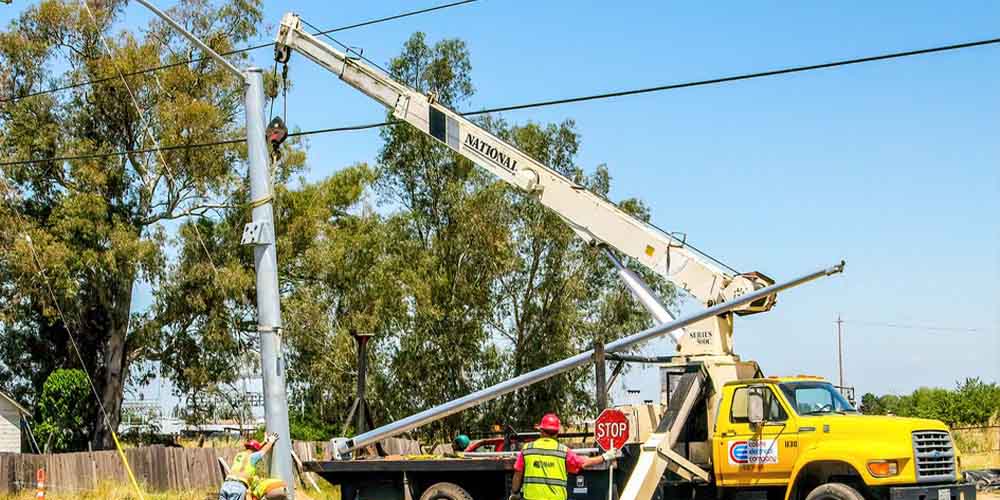
All wind loads and static loads borne by lightweight light poles are transferred to the ground through two types of foundation structures. The selection of the foundation directly affects the project cost, construction schedule, and long-term reliability. The two mainstream construction solutions are flange-anchor bolt foundations and direct-buried foundations. Based on project conditions, our company can provide integrated structural designs for various foundation types—including cast-in-place, precast, and direct-buried foundations—combined with embedded anchor bolts.
The flange-anchor bolt foundation is the standard practice for roadside poles, parking lot poles, and high-mast lights. A flange base plate is welded to the bottom of the pole body and secured to an independent concrete foundation via embedded anchor bolts. This design allows construction personnel to easily adjust the pole’s verticality; in the event of pole damage, the pole can be replaced individually without demolishing the existing foundation; and cables inside the pole can be routed through maintenance access ports. Due to the materials required for the concrete base and the rebar anchor cage, the initial civil engineering costs are relatively high. However, for applications such as high-mast lighting—where failure can easily lead to major safety incidents—this is the only foundation solution that is engineering-wise sound.
The direct-burial method involves burying the lower section of the pole directly into an excavation and backfilling it for stabilization. It is suitable for low-profile courtyard poles and small-scale branch-line poles, offering the advantages of low cost and rapid construction; however, its drawbacks include the difficulty of non-destructive replacement of pole sections at a later stage and the lack of standardized, reliable guarantees for its pull-out resistance.
A critical detail that is easily overlooked by purchasers: the alignment between the layout dimensions of the embedded anchor bolts and the flange cutouts on the pole. If there are dimensional deviations in the anchor bolt ring during foundation pouring, the only remedy later on is to demolish the concrete base and make corrections; there is no room for fine-tuning or adjustments. Our company designs foundation dimensions, anchor bolt layout, embedment depth, and rebar specifications in a coordinated and unified manner with the wind resistance calculations for the light poles. If the light pole drawings and foundation drawings are provided by two different design and supply firms, misalignment of hole positions is highly likely to occur during on-site installation, resulting in significant rework costs.
Corrosion finish: why a duplex system beats single-layer coating
The service life of steel light poles depends primarily on the corrosion-resistant surface treatment process, rather than the base steel material itself. Our factory’s light poles utilize a dual corrosion-resistant system consisting of hot-dip galvanizing (compliant with ISO 1461) and outdoor powder coating, with corrosion resistance exceeding the ISO 12944 C4 corrosion environment standard. The overall service life is 1.5 to 2 times longer than that of single-coating solutions.
The hot-dip galvanizing process involves immersing the entire pole into molten zinc, forming a metallurgically bonded zinc layer on the steel surface that provides both a physical barrier and cathodic sacrificial protection.
The synergistic principle of this dual-layer composite corrosion protection is key to ensuring durability in coastal and industrial area projects: the galvanized layer continuously protects the steel substrate through the sacrificial anode principle; the powder coating provides a dense barrier layer and a decorative finish, but loses its protective capability once the surface is scratched. The combination of the two creates a synergistic protective effect—the coating slows the rate of zinc layer consumption, while the zinc layer compensates for protective gaps at coating damage sites. The protective effect is not simply additive but is multiplied.
The ISO 12944 standard classifies atmospheric corrosion environments into five levels, from C1 to C5, where C1 represents a dry indoor environment and C5 represents severe marine and heavy industrial areas. Achieving a protection level of C4 or higher indicates that the corrosion protection system is suitable for highly corrosive conditions, such as coastal areas and chemical plant sites, rather than ordinary suburban environments with mild atmospheric conditions.
The most common cost misconception in steel pole procurement: to skip the galvanizing process, powder coating is applied directly to bare steel or steel with a simple, thin coating. While there is no obvious difference in the appearance of the two types of products upon shipment, after three years of exposure to road de-icing salt during winter and salt fog at the coast, rust will continue to seep from bolt holes and weld seams, causing corrosion to spread. When reviewing quotes, buyers must explicitly require suppliers to provide written specifications detailing the galvanizing standards and dry film thickness (in micrometers, μm). Coating solutions without clearly specified parameters do not offer reliable corrosion protection.
The project’s corrosion environment classification should be determined early in the quotation process. The specifications of the corrosion protection system must be matched to the corrosion classification; the process must not be simplified solely to achieve a lower price. Dry inland suburban areas fall under the low-corrosion C2 and C3 categories, where a simplified single-layer corrosion protection system may be used. Areas located several kilometers from the coastline, roads where de-icing salt is frequently used, and industrial sites containing sulfur dioxide fall under the high-corrosion C4 and C5 categories; only a two-layer composite corrosion protection system can meet the design service life requirements.
When our factory handles projects in Gulf and European coastal regions, our quotations default to a corrosion protection system exceeding the C4 grade. The operational and maintenance costs associated with subsequent on-site rust removal and recoating far exceed the price difference compared to implementing high-standard corrosion protection from the outset. By clarifying the project’s corrosion grade at the initial procurement stage, manufacturers can precisely match zinc coating thickness and topcoat application processes, avoiding arbitrary selection based solely on experience.
Certifications and integrated procurement: closing the gap between pole and lamp
Light fixtures are the core component of any lighting system, and the importance of their various certifications is on par with the structural load-bearing calculations for light poles. Our LED street lights have undergone optical testing in accordance with the IES LM-79 standard (Certificate No.: LCSB08185046S), with measured overall luminous efficacy reaching 119.37 lm/W; the luminaire housing has an IP66 protection rating (Certificate No.: LCSB08185044S) and an IK10 impact resistance rating (Certificate No.: LCSB08185045S).
LM-79 is a standard testing protocol established by the Illuminating Engineering Society of North America (IESNA) that measures the actual light output parameters of complete, finished luminaires, as opposed to relying solely on data claimed by chip manufacturers. The luminous efficacy metrics provided in LM-79 test reports are based on verifiable, measured data, rather than values claimed unilaterally by manufacturers.
IP66 and IK10 are two core performance indicators for outdoor lighting fixtures. IP66 indicates that the fixture is completely dust-tight and can withstand high-pressure water jets, representing the minimum compliance threshold for all outdoor lighting equipment; IK10 indicates resistance to 20J of impact energy, making it suitable for environments prone to vandalism or impacts from gravel, such as parking lots and sports fields. The IP protection system is fully defined by international standards; detailed explanations can be found in the *IP Code Reference Manual*. If product documentation does not explicitly state the IP or IK ratings, it often indicates a deliberate attempt to conceal the protection performance metrics most prone to failure in the field. For luminaires exported to the EU, electrical components must also comply with the RoHS Directive on the restriction of hazardous substances, and compliant luminaires must be accompanied by a complete set of certification documents covering optics, protection, and environmental standards.
Procuring light poles and luminaires from the same source offers significant advantages: a unified supply chain ensures that flange bolt spacing, light arm connection structures, and rated load capacities are fully compatible, thereby avoiding on-site installation issues caused by incompatible component dimensions. If the same engineering team handles both the wind resistance calculations for the light poles and the luminaire selection, details such as the overall effective wind-exposed surface area, the load-bearing structure of the light arms, and the internal wiring layout can all be comprehensively verified prior to production.
Actual project cases show that the most common issue with separate procurement is incompatibility at the connection interface between the lamp arm and the luminaire; when the two product sets are designed by different parties and there is a lack of technical coordination, this connection point is highly prone to causing construction delays.
FAQ
What is a light pole?
Lighting poles are load-bearing support structures that elevate lighting fixtures to a predetermined installation height, ensuring uniform illumination of roads, parking lots, and public spaces while minimizing glare at eye level. The industry generally categorizes them into four main types: road lighting poles, parking lot poles, decorative poles for landscape areas, and high-mast lights. The height and load-bearing capacity of each type of pole are designed to suit specific application scenarios.
Should I choose a steel or aluminum light pole?
Steel is suitable for tall, heavy-duty lighting poles, offering higher strength and lower overall procurement costs under comparable conditions; aluminum is better suited for light-duty applications, featuring excellent inherent corrosion resistance and requiring minimal maintenance.
For poles 8 meters or taller, or when the load on the luminaires is significant, steel poles treated with a dual-layer anti-corrosion process offer a more favorable total cost of ownership over their lifecycle; however, for short-term coastal projects where minimal O&M requirements are a priority, the higher procurement cost of aluminum is justified.
How tall should an outdoor light pole be?
Light pole heights are categorized based on their intended use: 3–6 m for residential streets, 6–8 m for secondary urban roads, 8–12 m for main roads and highways, and 6–12 m for parking lot lighting poles. Pole height must be matched with the power of the LED light source: the taller the pole, the greater the lighting coverage; to maintain the standard illuminance on the road surface, luminaires with higher luminous flux are required.
What steel grade should a light pole use?
The lamp posts should be explicitly specified to use S355 structural steel, which has a yield strength approximately 50% higher than that of standard S235 steel. Under the same wind load requirements, this allows for a thinner-walled, lighter-weight post design. If the steel grade is not specified in the bid documents, it is assumed that the supplier will use S235 steel, which is lower in cost but has weaker mechanical properties; when comparing prices, the corresponding structural safety risks must be taken into account.
What is the difference between anchor-base and direct-burial installation?
The flange anchor foundation secures the light pole to a concrete base using a bottom flange plate. It offers advantages such as pole leveling, individual pole replacement, and access for internal wiring maintenance, making it the standard foundation type for street poles, parking lot poles, and high-mast lights. Direct-burial foundations secure the lower section of the pole by burying it directly in backfilled soil. Suitable for low-profile poles in courtyards, this method is less expensive and faster to install. However, it makes it difficult to replace the pole without damage later on, and there is no standardized, reliable guarantee of its pull-out resistance.
Why does a light pole need hot-dip galvanizing and powder coating?
A dual-layer corrosion protection system combining hot-dip galvanizing in accordance with ISO 1461 and powder coating is employed. This system exceeds the corrosion resistance requirements for ISO 12944 C4 environments, and the overall design offers a service life 1.5 to 2 times longer than that of a single-layer protection process. The zinc layer provides sacrificial anode protection, ensuring that the base steel remains protected even if the topcoat is scratched or damaged; the powder coating delays the oxidation and depletion of the zinc layer. Together, they form a synergistic protective system, with the protective effect being more than simply the sum of the individual components.
What certifications should an outdoor luminaire carry?
Outdoor lighting fixtures must be accompanied by an LM-79 optical test report to verify the overall luminous efficacy of the unit; additionally, the housing must meet the IP66 dust- and water-resistant rating and the IK10 impact resistance standard. If product documentation does not explicitly state IP and IK ratings, it often deliberately omits the protection metrics most prone to failure under outdoor conditions; luminous efficacy parameters not supported by actual LM-79 test reports lack a traceable basis for verification.
Is it better to buy the pole and luminaire from one manufacturer?
Procuring light poles and luminaires as a matched set ensures that the flange bolt hole positions, the mounting structure of the light arms, and the rated load capacity are fully compatible, thereby avoiding on-site installation issues caused by incompatible component dimensions. If the same engineering team coordinates both the wind resistance calculations for the light poles and the selection of matching luminaires, all design parameters—including the pole’s effective wind-facing projected area, the mechanical structure of the light arms, and the internal cable layout—can undergo integrated, collaborative verification prior to shipment.
Contact Us
Get a custom lighting solution and quotation for your project. Outdoor lighting manufacturer in Yangzhou, ChinaAbout Jieyao LightingYangzhou Jieyao Lighting Equipment Co., Ltd. is an outdoor lighting manufacturer focused on solar street light systems and high mas... Do you have any questions or requests?
Email: jay@jieyaolighting.com

Click to Chat.
Im online now.