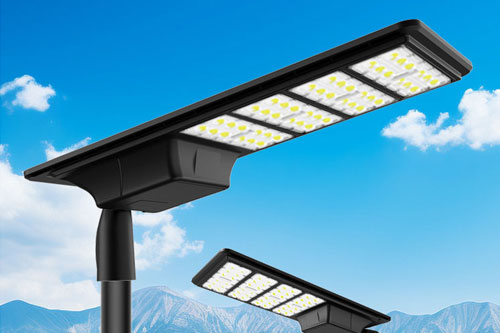


In typhoon-prone areas, streetlight poles need stronger reinforcement.
Use materials that resist high winds to improve stability.
Build a solid foundation to prevent pole tipping.
Regular inspections help detect and fix issues early.
Tip: In a reinforcement plan, wind resistance is essential. Strong anchoring keeps the pole upright. Regular inspections ensure issues are addressed early. These measures help streetlights operate reliably during storms.
Key Takeaways
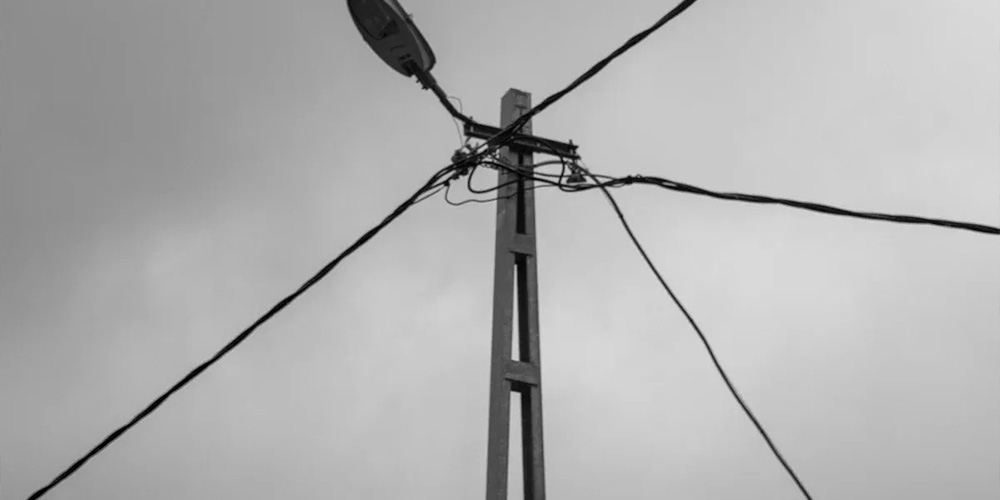
Streetlight poles can use steel or concrete for better typhoon resistance.
Deep concrete foundations improve stability and reduce tipping risk during storms.
Inspect poles at least twice a year to detect issues early and ensure safety.
Weatherproof fittings protect electrical parts from water damage during heavy rain.
A reinforcement plan improves safety and also reduces long-term maintenance costs.
Reinforcement plan overview
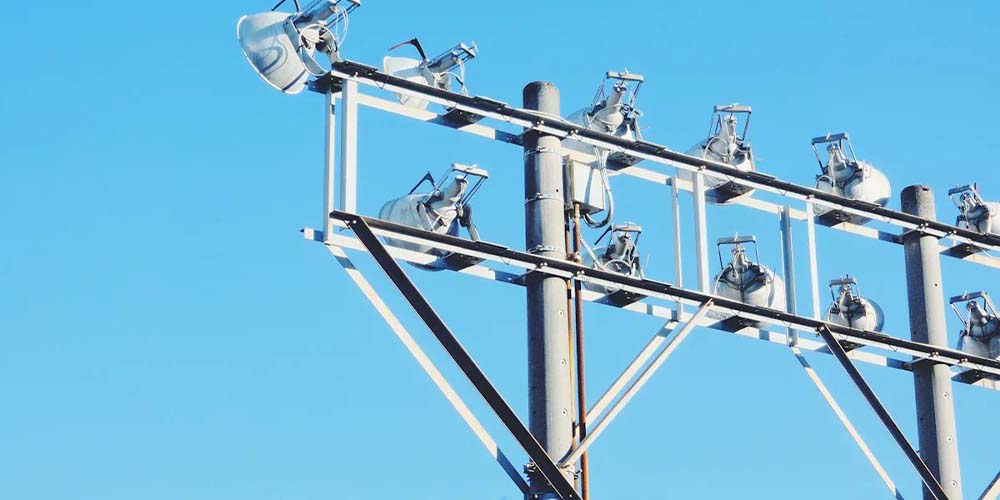
Immediate solutions
In typhoon-prone areas, streetlight poles can be strengthened through rapid reinforcement plans.
Steel and composite materials are preferred due to higher wind resistance and longer service life.
Composite poles are lighter, making installation faster for large-scale city deployment.
Deep concrete foundations improve anchoring and reduce the risk of tipping during storms.
Weatherproof fittings protect electrical components from water damage.
Regular inspections are essential, at least twice per year, especially before and after typhoon seasons.
For large projects, smart streetlight systems with customizable pole designs can support urban lighting upgrades and centralized management.
Tip: Using better materials and stronger foundations improves reinforcement speed. This reduces structural risks during typhoons. Over time, it also lowers maintenance frequency and cost. The overall system becomes more stable and cost-efficient.
Key benefits
A strong reinforcement plan improves the reliability of urban lighting systems.
Using durable materials extends pole lifespan and reduces structural wear.
Solid foundations keep poles stable in severe weather and lower collapse risk.
Regular inspections help detect small issues early and avoid costly repairs later.
A good reinforcement plan brings several direct benefits:
l Safety for people and vehicles improves during typhoons.
l Maintenance costs decrease due to fewer failures and replacements.
l Lighting systems continue to operate reliably in harsh weather.
l Pole tipping risk is reduced, making public spaces safer.
l Composite poles install faster and improve project delivery speed.
Benefit | Description |
Longevity | Tough materials help poles last a long time |
Safety | Strong bases stop poles from being pulled out |
Cost Savings | Fewer repairs and easier to put in |
Reliability | Lights stay on during storms |
Project Efficiency | Light poles are quick to install |
Typhoon risks
Common failures
Typhoons bring strong winds and heavy rain, which affect streetlight pole safety.
Identifying potential failure points early helps improve reinforcement planning.
There are three main categories of failure.
The first is wind damage.
Typhoons and hurricanes can break or topple poles.
Unstable poles may bend or snap under strong wind loads.
The second is corrosion.
Long-term moisture gradually weakens metal strength.
Salt in coastal areas accelerates corrosion and rust formation.
Rust reduces structural safety.
The third is foundation issues.
Shallow or loose foundations reduce stability.
Poles may tip over under strong wind pressure.
Pre-season inspections are critical.
Rust, cracks, or loose bases should be repaired early.
Regular checks help detect small issues before they grow.
Tip: Corrosion can sometimes be hidden inside the pole or at the base. A flashlight helps during inspection, especially around connection areas. Careful observation is needed to detect rust or weakened structure. Finding hidden corrosion early helps reduce future safety risks.
Real-world cases
Many cities have experienced streetlight pole damage during typhoons.
Some coastal cities in Southeast Asia lost hundreds of poles in strong storms.
The main causes were corroded bases and weak foundations.
Falling poles sometimes blocked roads and caused power outages.
The United States has seen similar cases.
Hurricane Katrina damaged thousands of streetlights in New Orleans.
Some poles failed due to long-term corrosion under extreme winds.
As a result, cities began using composite or galvanized steel poles for better resilience.
These cases offer clear lessons.
Using stronger materials and deeper foundations improves overall safety.
Regular maintenance helps lighting systems stay stable during severe storms.
Material selection
Steel, aluminum, composite, FRP
Choosing the right streetlight pole material is important because different materials vary in wind resistance and lifespan.
Steel offers high strength and is suitable for strong wind conditions, but it is heavier and more costly to install.
Composite materials are lighter, easier to install, and provide a long service life.
Galvanized steel performs well in corrosion resistance, making it suitable for coastal and humid areas.
The chart above provides a quick comparison of key material characteristics:
Material | Durability | Wind Resistance | Additional Notes |
Steel | High | Excellent | Strong, resists bending and vandalism |
Aluminum | Moderate | Good | Lightweight, corrosion-resistant, easy to install |
FRP | High | Good | Corrosion-resistant, non-conductive, good for humidity |
You can think of each streetlight pole having a different service life.
Material choice directly affects how long it can withstand storm conditions.
Steel poles typically last 20 to 30 years but may corrode in coastal areas.
Aluminum poles last around 30 to 50 years and resist rust better.
Fiberglass (FRP) poles perform well in humid environments with a lifespan of about 15 to 25 years, but with lower overall strength.
Concrete poles last the longest, often over 50 years, and only require basic inspections.
These differences show how material selection directly impacts long-term maintenance and replacement cycles.
Tip: Steel and aluminum are strong in typhoon areas and resist high winds. They can still corrode or get damaged over time. Inspect regularly for rust and deformation. Timely maintenance extends lifespan and reduces risk.
Concrete systems
In typhoon-prone areas, concrete poles are a more reliable option.
They have strong wind resistance and often last over 50 years.
They also require less maintenance and suit long-term deployment.
In emergencies, they can support backup power or emergency lighting equipment, improving urban resilience.
Weatherproof fixtures
Weatherproof clamps help streetlight poles operate during storms. These features are important:
Feature | Benefit |
Widened flange | Makes the pole more stable in strong winds |
Pre-buried anchor bolts | Holds the pole tight to the ground |
Submerged arc welding | Makes strong welds that stop the pole from swinging |
Hot-dip galvanizing and plastic spray | Stops rust and helps the pole last longer |
Using durable and weather-resistant materials and fixtures helps keep your lights operating even during strong typhoons.
Foundation and anchoring
Deep concrete footings
A strong foundation helps streetlight poles remain upright during typhoons, which is critical for urban lighting systems.
Deep concrete bases are typically installed to resist overturning moments caused by strong winds and to prevent tilting or collapse.
The usual depth ranges from 3 to 5 feet, but in high-wind regions, deeper foundations are often required for greater stability.
Stronger winds generate larger lateral forces on the pole, so the foundation must be designed with higher load-bearing capacity.
Soil conditions also have a significant impact on foundation design.
Clay soil contains higher moisture and can slowly shift under pressure, so deeper foundations are often needed to improve stability.
Sandy soil is looser and more prone to settlement issues, also requiring increased depth for better support.
For taller poles, especially those above 25 feet, foundation requirements become stricter because wind load effects are more pronounced.
Design must consider wind speed, wind direction, and local soil type to determine appropriate embedment depth and structural layout.
Proper matching between pole size and foundation depth helps reduce structural failure risk.
This approach improves safety and extends the service life of lighting systems under severe weather conditions.
Secure anchoring
Proper anchoring is as important as a deep foundation, as it directly affects pole stability.
Anchoring methods must match soil conditions and pole design to be effective.
Anchor bolts should be selected based on pole height and expected wind loads to avoid structural failure.
For example, 6–8 meter poles typically use a 600 mm square pit, about 1000 mm deep, with 4×M18 anchor bolts.
If the soil is soft or loose, the pit size should be increased to improve overall load-bearing capacity.
Factor | Description |
Soil Type | Clay needs deeper bases; sand needs depth to prevent settling. |
Pole Height | Taller poles require deeper, stronger foundations. |
Environmental Conditions | High winds and earthquakes demand extra depth and secure anchoring. |
Maintenance Access | Design foundations for easy inspection and servicing. |
Tip: When digging foundation pits, always identify and protect underground cables and pipes. This helps prevent damage and safety incidents during construction. Pre-construction detection reduces risks. Proper handling of underground utilities ensures smooth project execution.
Preventing tilting
You can prevent pole tilting by reinforcing voids or loose areas under the base.
If weak spots are found, the pit should be enlarged or deepened appropriately.
PVC pipes must be sealed before pouring concrete.
Concrete should be thick enough and free of debris.
After pouring, the area should be cleaned to avoid new weak points.
Regular inspections help detect early signs of tilting.
If a tilted pole is found, corrective action should be taken quickly.
Stability can be restored by strengthening the base or adding support.
These measures keep lighting systems safe and reliable in typhoon-prone areas.
Reinforcement methods
Wind-resistant design
In typhoon-prone areas, wind-resistant design significantly improves the safety of streetlight poles by reducing structural damage caused by strong winds.
First, proper installation is critical, as poles must be firmly anchored to a stable foundation to prevent tilting or failure under high wind loads.
Second, pole shape also affects wind resistance.
A tapered or smooth-surfaced design allows airflow to move more easily around the structure, reducing drag and localized pressure buildup, which lowers the risk of bending or fracture.
In addition, supplementary support systems such as guy wires are important.
These tensioned cables help distribute wind loads to ground anchors, reducing the amount of movement and stress on the pole itself.
In typhoon-prone regions, these combined design features are often considered a more reliable solution, as they improve both stability and long-term durability.
Guy wires and bracing
Guy wires help streetlight poles remain upright in strong winds by providing external tension that improves overall stability.
They are typically installed by anchoring high-strength cables from the pole to ground points, where tensioned lines reduce lateral movement during wind loads.
This method is especially effective for tall or slender poles, as these structures have lower stiffness and are more prone to bending or vibration under wind forces.
When combined with cross-bracing or additional support structures, the load can be distributed more evenly instead of concentrating on a single point.
In practical engineering, using both guy wires and structural supports significantly improves wind resistance and helps lighting systems remain stable during severe weather.
Tip: Regular inspection of cable tension and connection points is essential, especially after storms, to detect loosening or damage early and prevent structural failure.
Protective coatings
Protective coatings help streetlight poles last longer under harsh weather, especially in typhoon-prone regions.
Waterproof, anti-salt, and anti-dirt coatings are typically required to reduce corrosion and surface damage.
Galvanized steel uses a zinc layer to isolate air and moisture, effectively preventing rust in highly corrosive environments.
Anodized aluminum forms a hard protective layer on the surface, increasing strength and improving corrosion resistance.
Powder coating provides a thick and durable layer that is more stable and wear-resistant than conventional paint.
Nano coatings modify surface properties so water and dirt are less likely to adhere, reducing corrosion and scratches.
In coastal or flood-prone areas, thick galvanized steel poles perform more reliably due to their stronger and longer-lasting protection layer.
These material and coating combinations improve stability during storms and extend the overall service life of lighting systems.
Installation and maintenance
Best practices
Proper installation of streetlight poles can significantly extend their service life, especially in typhoon and heavy rainfall regions.
Surge protection devices should be installed first to prevent voltage spikes during storms from damaging the lights.
At the same time, waterproofing is essential to stop water from entering the pole and electrical system, reducing rust and electrical failures.
When surge protection and waterproofing are used together, streetlights operate more stably in harsh weather and last longer.
During installation, key practices include:
Using strong anchor bolts and ensuring they are properly tightened.
Sealing all cable entry points to prevent water ingress.
Mounting poles on deep and stable concrete foundations.
Adding surge protectors to the electrical system to improve resistance to electrical surges.
Applying waterproof coatings to exposed parts for better overall protection.
Tip: Good installation quality reduces maintenance costs and extends the overall lifespan of the lighting system.
Electrical safety
Electrical safety of streetlight poles is critical in typhoon-prone areas.
Non-conductive materials should be used on the outer surface to reduce electric shock risk, even if internal water ingress occurs.
Exposed metal parts should be avoided to minimize leakage and short-circuit risks.
Proper insulation helps protect both the lighting system and nearby people.
Key electrical safety steps include:
Using non-conductive materials on the exterior of the pole.
Ensuring all cables are fully covered and properly sealed.
Testing foundation anchor bolts to confirm they can withstand strong winds and bending forces.
Identifying potential causes of tilting during installation and making structural adjustments in advance.
Regular inspections
You should inspect streetlight poles at least twice a year, and more frequently in high-traffic or severe weather regions.
Regular inspections help detect issues early, such as rust, loose bolts, or pole tilting, preventing further damage.
Timely repairs ensure the lighting system continues to operate safely.
Before and after typhoon seasons, poles should be carefully checked for overall condition.
Inspections should include signs of corrosion, structural cracks, or loose components.
Any detected damage should be repaired immediately with emergency maintenance.
Continuous inspection helps maintain stable urban lighting performance during extreme weather.
In typhoon-prone areas, stronger materials can improve pole safety.
Deep foundations should also be constructed to prevent poles from toppling under strong winds.
Regular inspections help identify risks early and reduce potential failures.
Common materials include steel, aluminum, and concrete to enhance wind resistance.
A stable base and proper wind-resistant design must be ensured.
Urban planners and industry stakeholders should prioritize structural safety and strength design.
With proper reinforcement strategies, lighting systems can remain operational during storms.
FAQ
What materials work best for street lamp poles in typhoon areas?
Steel, aluminum, and concrete all have strong wind resistance and can be used for streetlight poles in typhoon areas.
Composite poles are also an option, as they are lightweight and still offer strength.
Material choice should match local weather conditions and project needs, as well as service life.
Tip: Concrete poles usually last longer in coastal cities.
How often should you inspect street lamp poles?
Check streetlight poles at least twice a year, especially before and after typhoon season.
Areas with heavy traffic or near the ocean may require more frequent inspections.
Look for rust, cracks, or loose bolts during inspections.
Can smart street lamp poles improve safety during storms?
Smart poles allow you to see real-time site conditions.
Sensors can detect wind strength and whether the pole is moving.
When abnormal conditions occur, the system sends alerts for quick response.
Feature | Benefit |
Sensors | Early warnings |
Remote alerts | Faster response |
What foundation depth do you need for typhoon-prone areas?
You need a deep concrete foundation, typically 3 to 5 feet deep.
Taller poles or soft soil require deeper foundations.
Foundation depth must match pole height and soil conditions to ensure stability.
How do protective coatings help street lamp poles last longer?
Protective coatings help block water, salt, and dirt.
Galvanized steel and powder coating can effectively prevent rust.
Coatings should be used in coastal or flood-prone areas.
They extend pole lifespan and reduce maintenance costs.
Contact Us
Get a custom lighting solution and quotation for your project. Outdoor lighting manufacturer in Yangzhou, ChinaAbout Jieyao LightingYangzhou Jieyao Lighting Equipment Co., Ltd. is an outdoor lighting manufacturer focused on solar street light systems and high mas... Do you have any questions or requests?
Email: jay@jieyaolighting.com

Click to Chat.
Im online now.