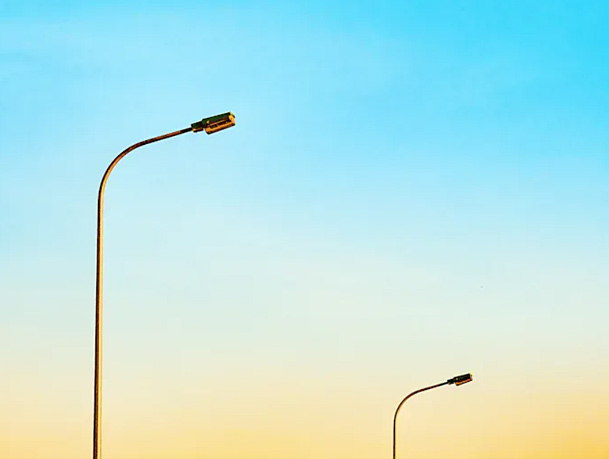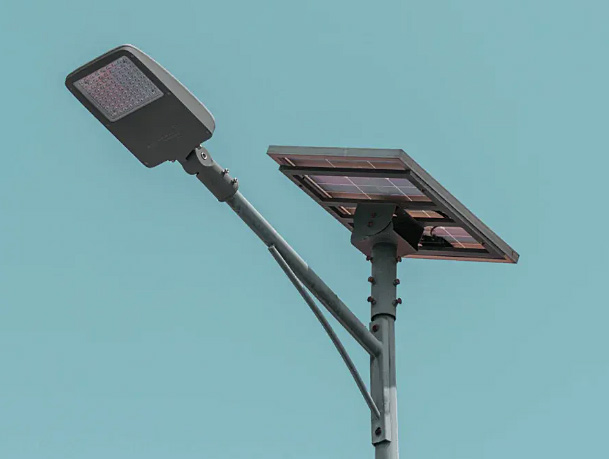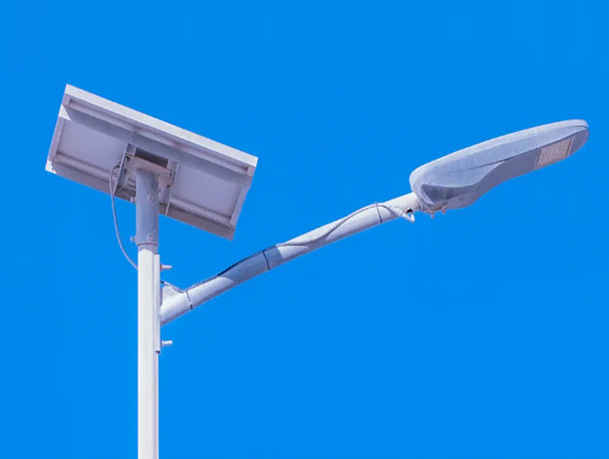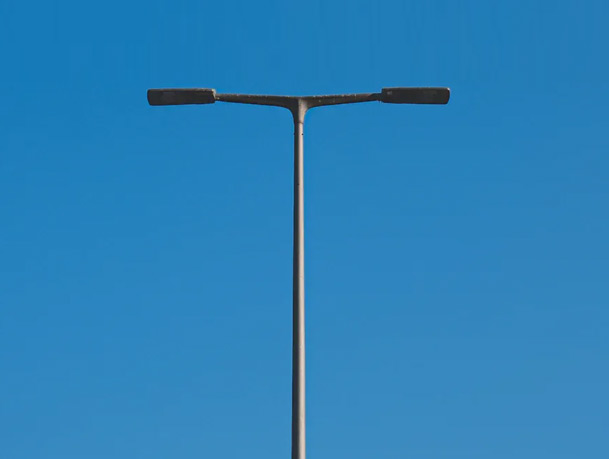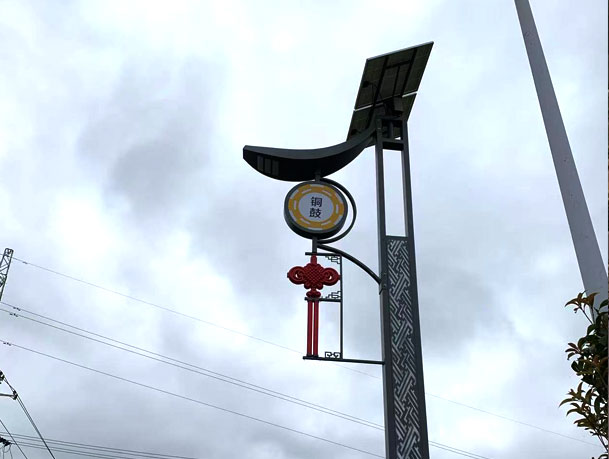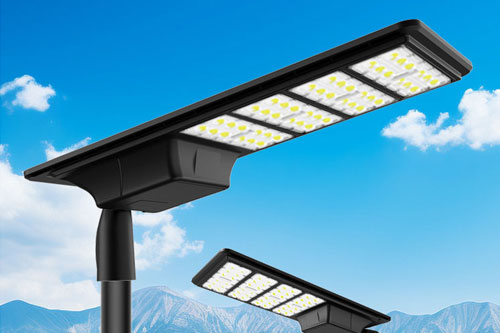


High mast lights and standard streetlights are easy to tell apart, mainly by height and lighting coverage.
High mast systems are much taller, often reaching over 50 meters, and are used to light large areas such as highways, rail yards, or big parking lots.
Standard streetlight poles, in contrast, are much shorter—typically about 4.5 to 15.2 meters tall.
They’re used for more localized lighting, like residential streets, city roads, and walkways, where you need closer and more even coverage.
Lighting Type | Average Height (meters) | Typical Applications |
High-Mast Lighting | 18 to 55 | Highways, railway yards, parking lots |
Ordinary Streetlight | 4.5 to 15.2 | Residential streets, conventional roads |
High mast lighting systems are built for large-area coverage. They use higher-output fixtures and wider distribution to cut down dark spots across open spaces.
Standard streetlight poles, on the other hand, are meant for smaller, local areas like streets, neighborhoods, and walkways, where the goal is steady, basic illumination rather than wide coverage.
Key Takeaways
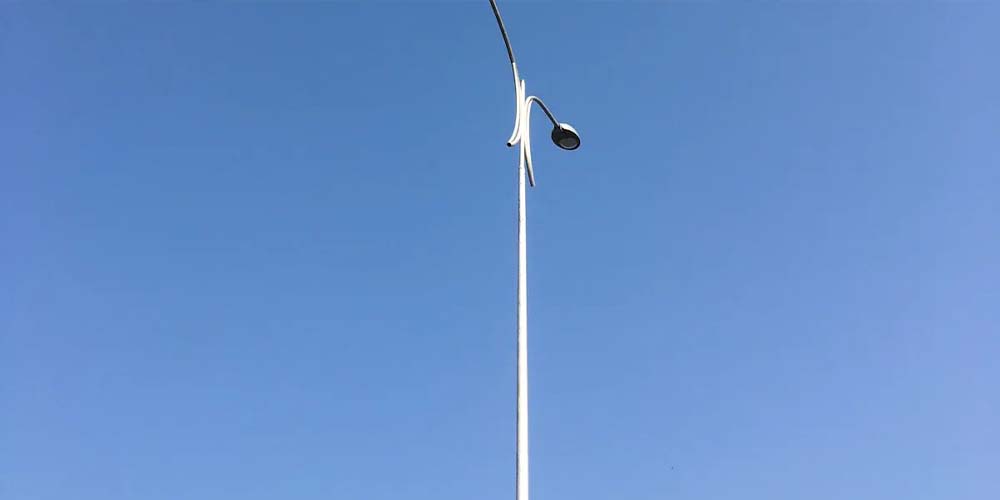
High mast lights are pretty tall—about 30 to 55 meters. It’s basically a single tall pole setup, used for big open areas like airports, highways, and stadiums.
Standard streetlights are much shorter, around 4.5 to 15 meters. They’re for streets, neighborhoods, and sidewalks—just normal local lighting.
High mast lighting is basically “one pole covers a big area.” Fewer poles, less hassle when the site is large.
Both systems are mostly LED now. They last a long time, save energy, and you don’t have to replace them that often.
For selection, it’s simple: big open area, go with high mast. Smaller area, standard streetlights. That’s it.
High-Intensity Lighting Overview
Definition and Characteristics
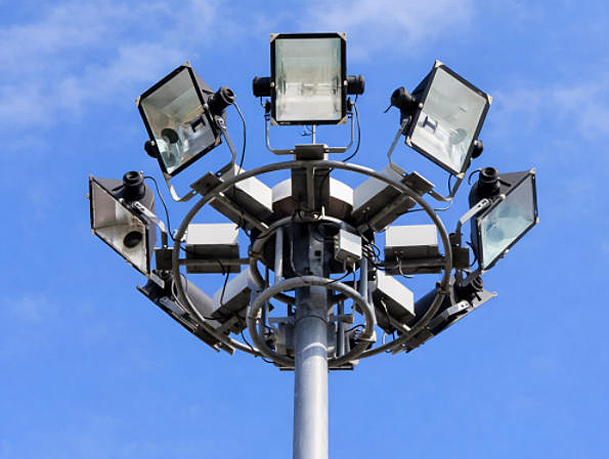
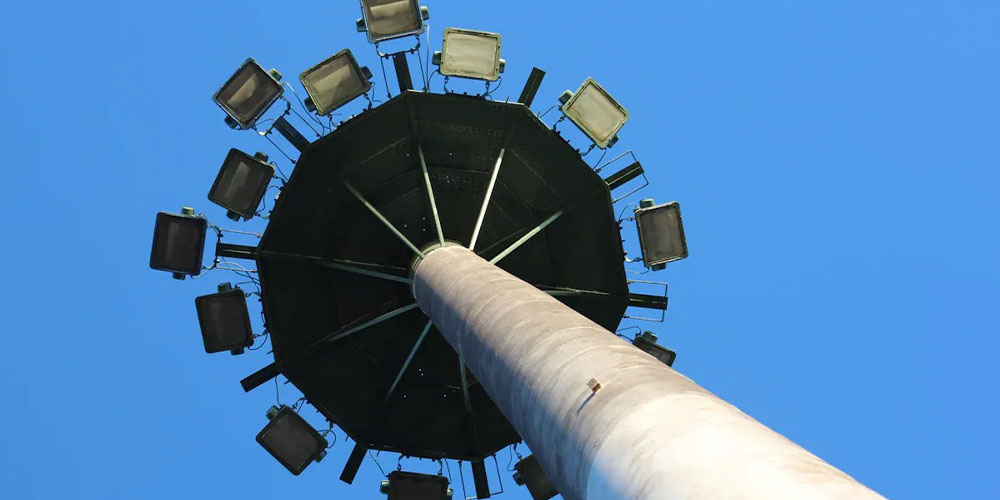
High mast lights are those tall ones, usually 30 to 55 meters. Pretty easy to spot. Poles are steel or aluminum, solid build, won’t really bend much even in bad weather.
Top has a round ring, that’s where the lights sit. Usually 4, 6, or 8 lamps, sometimes more depending on the project—could be 10, 12, even 16.
They can use different light sources like sodium, mercury vapor, metal halide, or now mostly LED.
Whole idea is simple: light sits up high in one place, covers a big area, so you don’t need many poles.
Feature | Specification |
Minimum Height | 30 m (98 ft) |
Common Number of Lights | 4, 6, or 8 lights in the ring |
Rare Instances of Lights | 3, 5, 10, 12, or 16 lights |
Common Lamp Types | High-pressure sodium, mercury vapor, metal halide, LED |
Structural Material | Steel or aluminum |
High mast lighting places fixtures higher, making the field of view feel more open, with noticeably fewer shadows and a generally brighter, clearer appearance.
When multiple luminaires work together, the lighting appears more even, with fewer noticeable dark areas.
Suitable for large spaces where clear visibility is important.
Typical Applications
High mast lighting is widely used in environments where safety and visibility are critical. Common application areas include:
l Highways and interchanges: Improving driver visibility and enhancing nighttime road safety
l Airports: Providing illumination for runways and taxiways to ensure safe aircraft operations
l Ports and harbors: Supporting loading and cargo handling activities with strong lighting coverage
l Industrial complexes and warehouses: Used for large outdoor operational and logistics areas
l Stadiums and sports arenas: Delivering high-intensity lighting for events and competitions
l Large parking lots, rail yards, shipyards, truck stops, and rest areas: Ensuring wide-area illumination
l Outdoor parks, playgrounds, and storage areas: Enhancing nighttime safety and visibility
These elevated lighting systems significantly improve brightness and safety across large-scale environments, helping people navigate busy or complex areas with greater clarity and confidence.
Overview of Street Light Poles
Definition and Characteristics
Street light poles light roads at night, making streets brighter and safer in neighborhoods, cities, and highways. They help people see cars, people, and objects around them.
Street light poles have different heights and shapes for different places. They are usually made of steel, aluminum, or concrete. These materials keep the pole strong and long-lasting.
Pole height depends on location. Short poles are used in parks and residential streets. Tall poles are used on highways and main roads to light a wider area.
Setting | Height Range (feet) | Height Range (meters) |
Urban areas | 15 to 30 | 4.57 to 9.14 |
Residential areas | 10 to 20 | 3.05 to 6.10 |
Highways | 25 to 40 | 7.62 to 12.19 |
Pedestrian zones | 8 to 15 | 2.44 to 4.57 |
Pole height affects night visibility. Tall highway poles increase viewing distance and help detect road conditions earlier. Short residential poles give lower, even light and reduce glare.
In addition, local regulations and environmental conditions can also influence the selection of pole height, and these factors must be taken into account during the design phase.
Note: Lights in parks or on sidewalks are generally installed lower to ensure safety, reduce glare, and provide a more comfortable visual experience.
Typical Applications
Streetlight poles are widely used in areas where visibility and safety are needed at night, providing stable, uniform basic lighting that enhances safety and traffic flow.
Key application scenarios include:
l Residential areas: Providing basic street lighting to enhance nighttime safety
l City centers/urban roads: Providing lighting to accommodate high volumes of pedestrian and vehicular traffic at night
l Parks/playgrounds: Ensuring visibility and safety for nighttime activities
l Campus/school areas: Enhancing nighttime safety for students and pedestrians
l Parking lots/retail areas: Improving lighting conditions for vehicles and pedestrians
Streetlight poles are used to illuminate roads and pedestrian areas, making it easier to recognize changes in the surrounding environment and improving visibility for road users.
For drivers, this allows them to spot pedestrians and obstacles sooner, increasing their reaction time and reducing the risk of accidents.
Urban planners typically select pole types and heights based on safety requirements, visual aesthetics, and community usage patterns. In addition, technical specifications and local environmental conditions play a key role in final design decisions.
Design Comparison
Pole Height and Structural Differences
Main difference between high-mast lighting and standard streetlights is height and structure.
High-mast lights are much taller, usually 30–55 meters, often higher than nearby buildings.
Standard streetlight poles are shorter, typically about 4.5–15.2 meters.
Pole height affects lighting coverage. The taller the pole, the larger the area lit from a single source, making high-mast systems better for large-scale illumination.
Common Materials and Characteristics
Material choice affects pole performance and lifespan.
l Concrete poles: heavy, hard to install, rarely used today, not easily recyclable.
l Q235 steel poles: service life up to ~30 years, corrosion resistant, but heavy and costly to transport and install.
l Fiberglass poles: lightweight, corrosion resistant, good insulation, but weaker impact resistance and higher repair cost.
l Aluminum poles: lightweight, corrosion resistant, recyclable, but higher cost.
l Stainless steel poles: very strong corrosion resistance, usually used where structural load is lower.
Structural and Environmental Suitability
High-mast poles need higher structural strength to handle wind, rain, and extreme weather.
They are usually made from high-strength materials like steel or aluminum.
Standard streetlight poles can use lighter materials, depending on conditions.
In low wind or low load areas, lighter designs are often sufficient.
Pole height and material both affect service life and safety.
Design should ensure stability and long-term reliability under different weather conditions.
Light Distribution
Light distribution differs across pole types and affects nighttime visibility and overall lighting performance.
Light Distribution in High Mast Systems
High-mast lighting usually uses a circular ring at the top of the pole.
The ring holds multiple luminaires, often 4, 6, or more—sometimes up to 8+.
Fixtures are angled in different directions to cover a wide area.
This setup lets one pole light large areas like parking lots, highways, or stadiums, improving overall lighting efficiency.
Light Distribution in Standard Street Light Poles
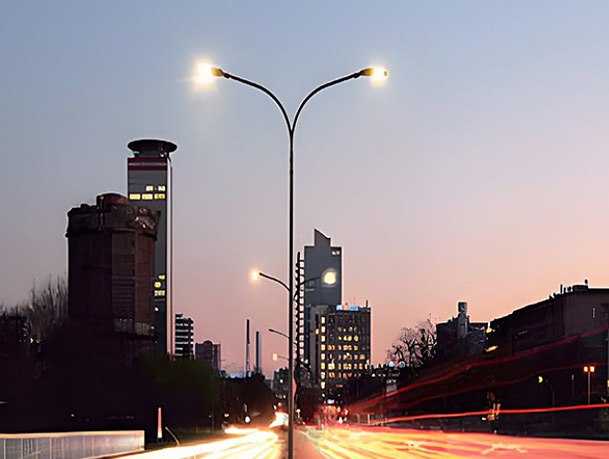
Standard streetlight poles usually have one fixture or a small cluster of luminaires.
Light is directed downward or slightly outward, giving a focused, limited coverage area for streets, sidewalks, and parks.
Because the coverage area is smaller, more poles are needed to maintain continuous lighting over long distances or large public areas.
Pole Spacing and Lighting Design
Pole spacing affects lighting performance and must match the use case.
l Urban streets: ~30–50 m
l Highways: ~50–100 m
l Sidewalks: ~15–20 m
High-mast systems need careful optical design: height, spacing, and beam angle must be coordinated.
l Too much spacing can create dark zones.
l Too little spacing can cause overlap and energy waste.
l Wider beam angles increase coverage but reduce light intensity.
Key Summary
High mast lighting is better suited for large-scale applications requiring uniform illumination with fewer poles. Standard street light poles are more appropriate for smaller, targeted areas requiring focused light distribution.
Final choice depends on space size, brightness needs, and energy efficiency goals.
Coverage and Brightness
Area Coverage Capability
Different lighting systems vary in spatial coverage performance.
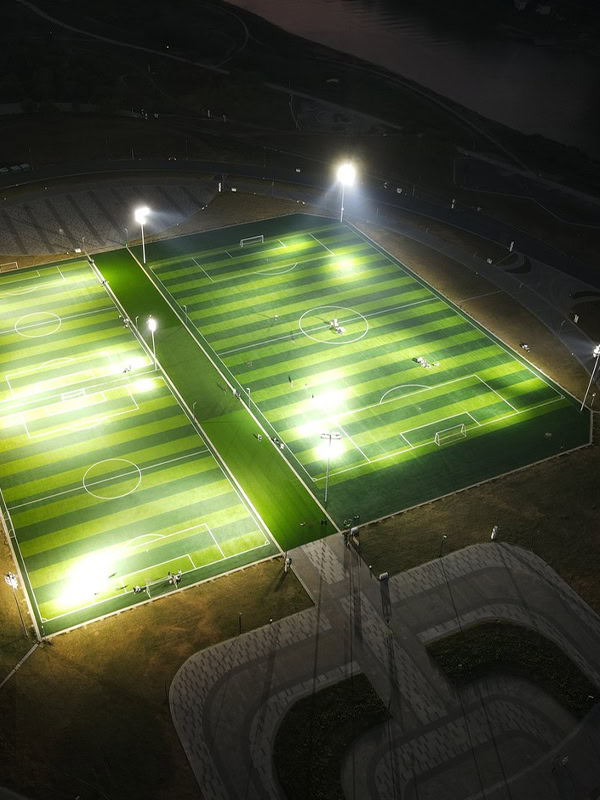
High-mast lighting can illuminate very large areas with a single pole and is used in airports, stadiums, and large parking lots. One pole can cover an area similar to a football field or larger, reducing the number of required lighting structures.
In contrast, standard streetlight poles fit smaller areas like urban streets, residential neighborhoods, and parks.
Each pole covers a limited range, so many poles are needed for continuous lighting on long roads or large spaces. Lighting distance per pole is also shorter.
Tip: High mast lighting is the more efficient option for large open areas, while standard street light poles are better suited for smaller roads and pedestrian pathways.
Illumination Level
Light output differs between systems and impacts visibility and safety at night.
High-mast lighting uses multiple high-power luminaires on tall poles.
l Light is bright and evenly spread over large areas.
l Dark spots and shadows are reduced.
l Visibility and safety are improved for drivers, workers, and athletes.
Standard streetlight poles use lower-power fixtures with limited coverage.
l Designed for basic walking and low-speed movement.
l Light is softer.
l Wider spacing can create more shadowed areas.
Lighting Type | Area Coverage (sq. meters) | Typical Brightness (lux) |
High-Mast Lighting | 10,000+ | 20–50 |
Streetlight Poles | 50–200 | 5–20 |
You should choose the lighting system based on your coverage area and required illumination level.
Matching these factors helps you improve efficiency, safety, and energy performance.
Technology and Efficiency
Lighting Technology (LED, etc.)
Today, both high-mast lighting and standard streetlights commonly use LED technology.
Compared with traditional light sources, LEDs last longer, use less energy, and require less maintenance.
LEDs have longer, more stable lifespans.
Traditional light sources need more frequent replacement and maintenance.
Due to high efficiency and long lifespan, LEDs have become the preferred choice for high mast and street lighting systems.
Lighting Technology | Average Lifespan (Hours) | Lifespan in Years (12 hours/day) |
LED | 50,000 – 100,000 | 11 – 23 |
Incandescent | 1,000 | 0.1 |
Fluorescent | 10,000 | 1.1 |
High-Pressure Sodium | 15,000 – 24,000 | 1.7 – 2.7 |
LED lighting can last up to about 23 years at ~12 hours per day.
High-pressure sodium and fluorescent lamps last less.
Incandescent bulbs have the shortest lifespan.
Choosing LED lighting extends operational lifespan and reduces replacement frequency.
You get lower maintenance demand and higher overall efficiency.
Longer lamp life means fewer elevated replacement operations, saving maintenance time and reducing long-term costs.
Energy Consumption
You need to balance lighting brightness with energy efficiency. LED technology can reduce your energy use by up to 50% compared to traditional lighting systems, which lowers your monthly electricity costs.
Both high mast lighting systems and standard street light poles increasingly rely on LED technology to reduce overall energy consumption.
Key advantages of LEDs include:
l Lower power consumption while delivering the same brightness
l Reduced energy waste while maintaining effective illumination
l Lower carbon emissions, contributing to environmental improvement
By choosing LED technology, you not only reduce operational costs but also improve overall energy efficiency, achieving both economic and environmental benefits. Its stable light output and long service life make it the preferred choice in modern lighting systems.
Installation and Maintenance
Installation Process
There are significant differences in installation procedures between high mast lighting systems and standard street light poles.
High mast lighting is used for large areas, so fewer poles are required, but each pole is much taller and heavier. Installation typically requires cranes for lifting and positioning, and the foundation must be designed to handle higher structural loads. These projects usually take several days to complete.
In contrast, standard street light poles are shorter and lighter, making installation much simpler. They can often be installed using basic tools or a small lift and are usually completed within a single day. The foundation is smaller, allowing for faster installation, but more poles are needed to cover the same area, which increases overall excavation and wiring work.
Feature | High-Mast Lighting | Ordinary Streetlight Poles |
Installation Complexity | More complex, needs special equipment | Simpler, often one-piece delivery |
Foundation | Larger and stronger | Smaller and easier |
Height | 20M to 50M | 10M to 15M |
Equipment Needed | Crane required | Basic ladders or lifts |
Installation Time | Several days | Often finished in one day |
Tip: High mast lighting requires fewer poles, which helps save ground space. However, each installation is more time-consuming and demands a higher level of equipment and technical expertise due to the greater height and weight of the structures.
Maintenance Requirements
Both high mast lighting systems and standard street light poles require routine maintenance, including cleaning, structural inspection, and electrical system checks. However, they differ significantly in maintenance frequency and overall cost.
High mast lighting typically uses LED technology, which offers a much longer service life, higher stability, and strong resistance to dust and moisture. As a result, lamp replacements are required far less frequently. Some high mast LED systems can last over 100,000 hours, significantly reducing the need for elevated maintenance operations and lowering overall maintenance costs and safety risks.
In contrast, standard street light poles often use a larger number of fixtures, especially in systems based on traditional HID lamps. These light sources typically have a shorter lifespan of around 10,000 to 20,000 hours and usually require replacement every 2–3 years. Frequent maintenance cycles increase labor costs and may also disrupt traffic or normal pedestrian flow.
Maintenance Activity | High-Mast Lighting | Ordinary Streetlight Poles |
Cleaning | Regular cleaning required | Regular cleaning required |
Inspections | Frequent inspections | Frequent inspections |
Re-lamping | Rare with LEDs | More frequent with HID |
Electrical Checks | Routine checks | Routine checks |
Upgrades | Modular, easy upgrades | Possible upgrades |
Note: High mast lighting systems generally require less overall maintenance. However, each maintenance operation may involve elevated working conditions and therefore requires skilled personnel along with specialized equipment or tools.
Cost Comparison
Initial Investment
High mast lighting systems generally require a higher upfront investment. Due to their greater height and more complex structural design, they need stronger foundations and often rely on specialized equipment such as cranes during installation. In addition, high-output luminaires also contribute to higher equipment costs.
However, high mast systems offer wider coverage per pole, meaning fewer poles are needed for large-scale lighting applications, which can improve overall system efficiency at scale.
In contrast, standard street light poles have lower individual purchase and installation costs. They typically require basic tools and smaller installation teams. Because they are shorter and lighter, the installation process is simpler and faster.
However, since each pole covers a smaller area, more units are required to illuminate the same space, which increases overall costs related to cabling, labor, and system deployment.
Lighting Type | Average Initial Cost (per pole) | Number of Poles Needed (large area) |
High-Mast Lighting | High | Few |
Streetlight Poles | Low | Many |
Tip: If you are illuminating a large parking area or highway, high mast lighting can often reduce total system costs by requiring fewer poles, even though each individual pole has a higher upfront price. In large-scale projects, this structural efficiency can result in better long-term cost effectiveness.
Long-Term Costs
From a long-term operational perspective, high mast lighting with LED technology delivers significant cost savings, particularly in energy consumption and maintenance expenses.
LED systems are far more energy efficient than traditional lighting. For example, 100 LED luminaires consume approximately 20,000 watts per hour, while conventional HID systems may require around 40,000 watts. This difference directly translates into lower monthly electricity costs.
In addition, LEDs have a much longer service life, which reduces replacement frequency and maintenance requirements. In cities such as Los Angeles, the adoption of LED high mast lighting has reduced maintenance costs by up to 90%. Over a ten-year period, LED street lighting systems may require only about 15% of the maintenance needed for older technologies.
At scale, a city with 10,000 street lights can save approximately $150,000 per year in maintenance costs alone
Note: With LED high mast lighting, ongoing savings in energy and maintenance can gradually offset the higher initial investment, resulting in a more favorable long-term return.
Environmental Suitability
Urban vs Rural Applications
Urban and rural environments have distinct lighting requirements, particularly in terms of brightness levels, coverage needs, and energy strategies.
In urban areas, traffic is dense, buildings are tall, and pedestrian activity is high. As a result, stronger and more uniform lighting systems are required to ensure public safety. High mast lighting performs especially well in large-scale infrastructure such as airports, highways, and ports, providing long-range and wide-area visibility that enhances overall safety. In addition, high mast systems typically offer long service life and reduced maintenance frequency, helping lower long-term operational costs.
Standard street light poles are better suited for medium- and small-scale environments such as parks, residential communities, and urban streets. They provide softer illumination suitable for walking and everyday traffic. LED street lighting is widely used in modern cities due to its high efficiency and long lifespan, helping reduce both energy consumption and maintenance costs while supporting sustainable lighting goals.
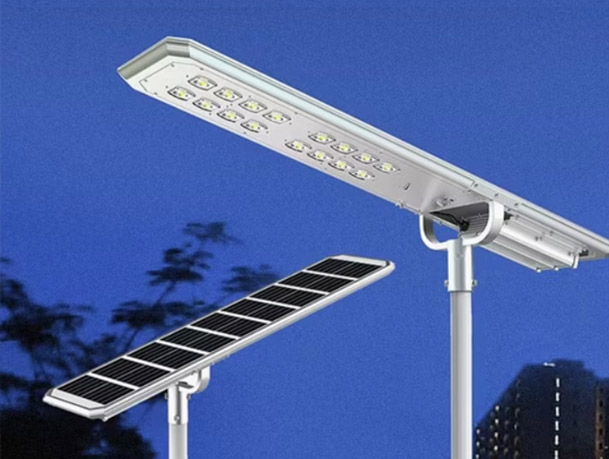
In rural areas, solar-powered street lights are commonly used. These systems store energy during the day and operate at night, offering flexible installation and low operating costs. However, due to energy limitations, they may provide less uniform illumination over large areas, sometimes resulting in dim or uneven lighting.
Factor | High Mast Lighting | Ordinary Streetlight Poles |
Height | Lets you see far in big areas | Good for small areas only |
Energy Efficiency | Saves energy in large spaces | Not as good for big areas |
Durability | Handles bad weather well | Needs more repairs |
Environmental Impact | Makes less light pollution in big spaces | Can cause more light pollution in cities |
High mast lighting significantly improves safety in high-traffic and high-activity areas while reducing long-term maintenance costs. By providing elevated and uniform illumination, it enhances visibility for both drivers and pedestrians, making it especially important for airports, ports, and highways.
In urban environments, LED street lighting has become the dominant solution due to its lower energy consumption and longer service life, helping reduce overall operating costs while improving energy efficiency.
In rural areas, solar street lights offer cost advantages and reduced energy use, making them environmentally friendly. However, larger areas may require additional fixtures to ensure consistent lighting coverage.
Tip: High mast lighting is ideal for busy urban zones and large open spaces, while street light poles or solar-powered systems are better suited for quiet residential areas and rural roads.
Large vs Small Area Coverage
In lighting design, the choice of system should depend on the size of the area being illuminated. High mast lighting is best suited for large open spaces such as stadiums, airports, and large parking lots. A single high mast pole can cover a very wide area, significantly reducing the number of poles required and creating a cleaner and safer overall layout.
In contrast, standard street light poles are better suited for smaller or linear areas such as city streets, residential roads, and park pathways. While each pole covers a smaller area, they provide more precise, localized illumination tailored to specific needs.
Advantage | Explanation |
Extended Lighting Coverage | High-mast lights spread light evenly and cut down shadows. |
Fewer Physical Obstacles | Fewer poles mean less clutter and safer spaces. |
Cost-Effective | LED lights last longer and lower bills, so you save money. |
Environmentally Friendly | High-mast LEDs do not have toxic gases, so they are safer for people and nature. |
Durability | LEDs need less fixing, so you save time and money. |
Light output is brighter with reduced shadowing. LED lighting offers longer service life and lower energy consumption, which helps reduce overall operational costs. High mast lighting is also more environmentally efficient during operation and requires less frequent maintenance.
Standard street light poles are better suited for smaller areas such as parks, sidewalks, and urban streets. They provide more focused directional lighting, helping pedestrians and drivers clearly see their paths. LED street lights also offer energy efficiency and long lifespan advantages, reducing both power usage and maintenance requirements over time.
l LED pole lighting is suitable for both large and small outdoor applications.
l LED lighting provides energy and cost efficiency benefits.
l Longer lifespan results in fewer repairs and lower total costs.
l In Europe, some cities have achieved significant energy savings through LED street lighting, with electricity consumption reduced to around 1.3% of total usage.
Note: Large-scale areas such as stadiums and airports are best served by high mast lighting, while smaller areas benefit from street light poles that provide sufficient illumination with improved energy efficiency.
When lighting systems are matched appropriately to space size and requirements, optimal performance is achieved. High mast lighting covers wide areas with fewer poles, while street light poles provide precise illumination for smaller spaces.
Use Cases
When to Choose High Mast Lighting
High mast lighting should be selected when large outdoor areas require illumination. It is best suited for highways, airports, stadiums, and large parking lots. With its tall pole structure and multi-luminaire configuration, high mast lighting can cover wide areas using fewer poles.
This system provides bright and uniform illumination, improving visibility for drivers, workers, and pedestrians, and enhancing overall safety.
Scenario Type | Description |
Highways | Lights up long roads for safety and better vision |
Railway Yards | Gives light for work and safety in large open spaces |
Parking Lots | Helps cars and people stay safe in big parking areas |
Airports | Lights up runways and nearby areas for safe flying |
Seaports | Makes it easier to see for shipping and loading |
Stadiums | Lights up sports games and big events |
If you want powerful LED lighting, durable poles, and reduced maintenance requirements, high mast lighting is a strong option. These poles are typically around 40 to 150 feet tall and can support 4 to 16 luminaires.
They provide effective illumination for large areas, but there are some factors to consider. The upfront cost is high, and installation or repair can be difficult. High mast poles also significantly change the appearance of a site and usually require specialized equipment for maintenance.
Tip: Use high mast lighting for large projects when you need strong, wide coverage and long-lasting performance.
When to Choose Street Light Poles
Street light poles should be used in smaller or more localized areas. They are well suited for community roads, sidewalks, main streets, and older urban districts. Shorter poles typically provide softer and more uniform lighting, ensuring basic safety without being overly bright.
In some main roads, taller street light poles can also be used to extend lighting coverage.
When selecting street light poles, consider the following factors:
l Pole height should match the width of the road
l Choose appropriate wattage based on area size
l Use LED lighting to reduce energy consumption and improve efficiency
l Check for trees or obstacles that may block light and adjust design if needed
Street light poles provide suitable lighting for different environments. They are simple, easy to install and maintain, and often comply with local regulations, which is especially important in historic districts.
Note: Street light poles are ideal for small areas, providing safe and comfortable ambient lighting.
You can easily compare high mast lighting and street light poles to understand their differences.
Feature | High-Mast Lighting | Traditional Streetlights |
Height | 60 to 150 feet | 20 to 30 feet |
Coverage | Wide, large areas | Low-traffic, smaller areas |
Technology | Advanced LED technology | Various bulb types |
Cost | Higher initial, long-term savings | Lower, best for homes |
When selecting lighting equipment, you should first consider the size of the area that needs to be illuminated. You should also evaluate your budget and the amount of maintenance work you are willing to handle. Poles should be made from strong and durable materials to ensure long-term performance.
It is also important to regularly inspect fixtures to keep them functioning properly and extend their service life.
High mast lighting is better suited for large areas and can provide cost savings over time. Street light poles are more suitable for smaller spaces and offer more targeted illumination.
FAQ
What is the main difference between high mast lighting and street light poles?
High mast lighting is used for large areas like stadiums. Street light poles are used for small roads and parks. High mast poles are taller and use more lights, while street light poles are shorter and use fewer lights.
Can you use high mast lighting in residential areas?
Not recommended. High mast lighting is too bright and covers too large an area. Street light poles provide softer light for communities and sidewalks.
Tip: Use street light poles for safer and more comfortable community lighting.
How often does high mast lighting need maintenance?
Low maintenance. LED systems last longer and require fewer replacements. Street light poles need more frequent bulb changes.
Which lighting option is more energy efficient?
LED high mast lighting is more efficient because it covers large areas with fewer poles. Street light poles also use LEDs, but require more units, so total energy use is higher.
High mast LED: fewer poles, lower energy use
Street light LED: more poles, higher energy use
Contact Us
Get a custom lighting solution and quotation for your project. Outdoor lighting manufacturer in Yangzhou, ChinaAbout Jieyao LightingYangzhou Jieyao Lighting Equipment Co., Ltd. is an outdoor lighting manufacturer focused on solar street light systems and high mas... Do you have any questions or requests?
Email: jay@jieyaolighting.com

Click to Chat.
Im online now.