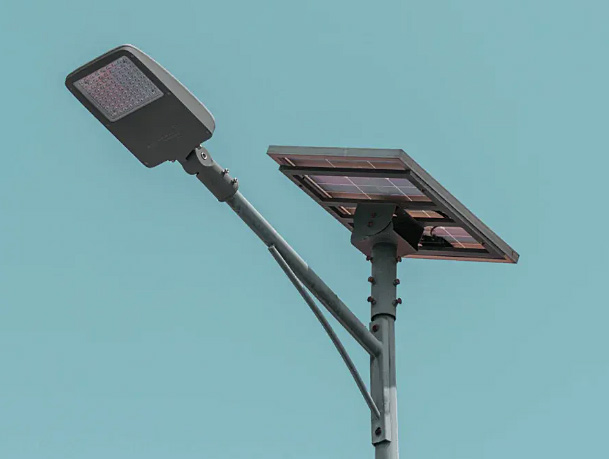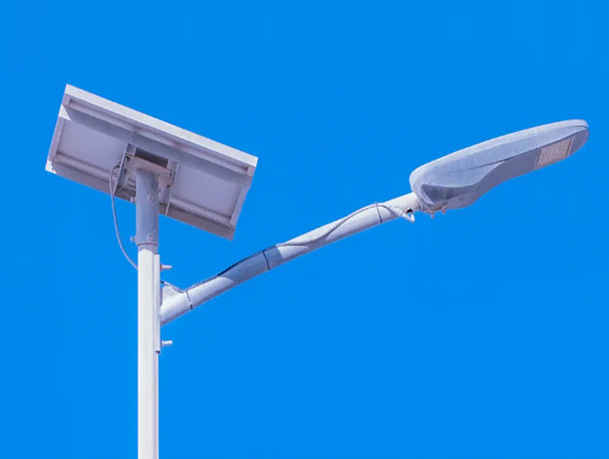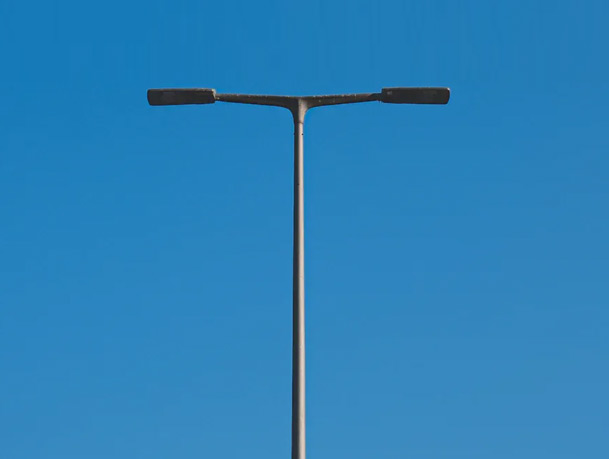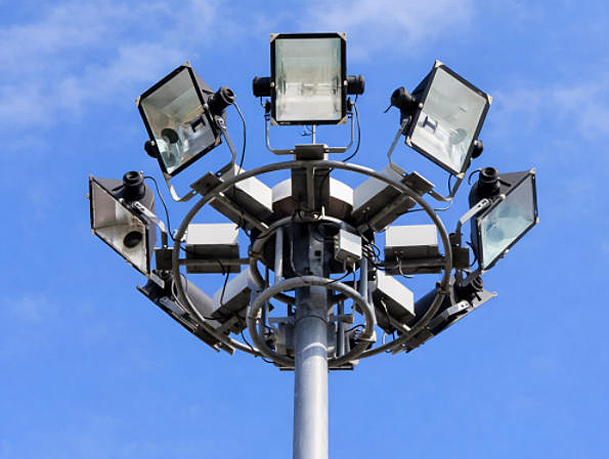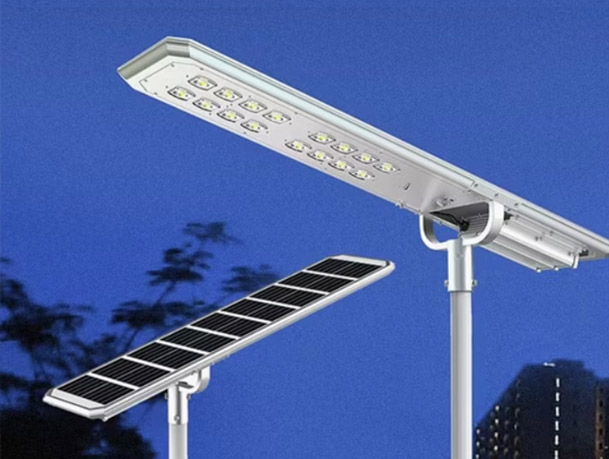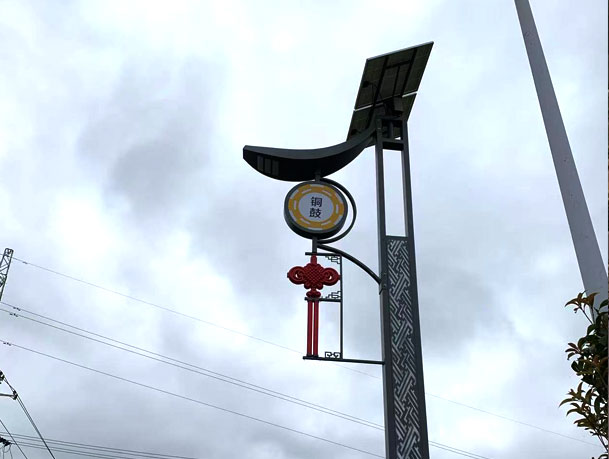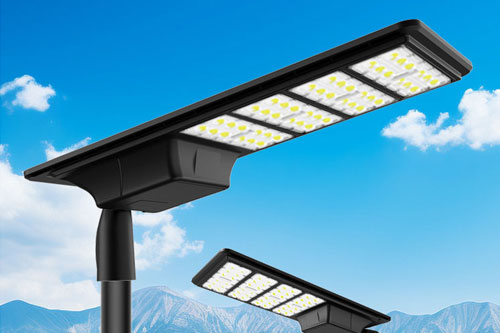


Since streetlight poles are constantly exposed to harsh outdoor conditions, the quality of their galvanizing process is critical. Compared to cold galvanizing—which offers weaker protection (using only zinc paint or spray)—hot-dip galvanizing forms a thick and durable zinc coating on the steel surface. Substandard galvanization not only causes streetlight poles to rust and creates safety hazards but also significantly increases maintenance costs down the line. Therefore, lighting engineers must employ reliable methods to rigorously inspect the quality of the galvanization, thereby effectively preventing corrosion and extending the service life of the poles.
Key Takeaways
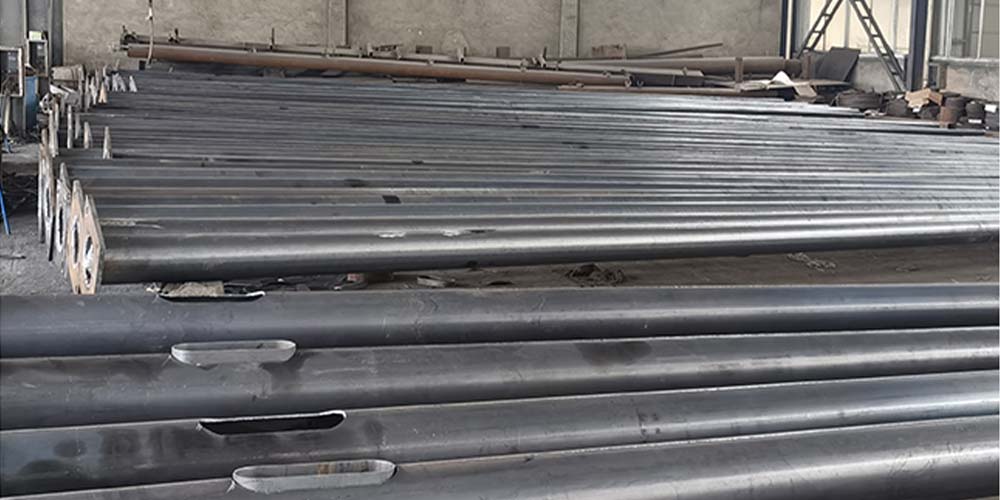
First, check the surface of the light pole. Look for a grayish-white color and a unique spangle pattern. These signs show proper hot-dip galvanizing.
Next, inspect the welds. Check closely for any cracks. You must also ensure that zinc completely covers the welds. Exposed welds will cause rust and structural issues later on.
You can use simple tests to verify the zinc layer. Try an acid bubble test and a magnet test. Bubbles mean zinc is present. Also, a magnet should not stick to a properly galvanized surface.
Then, measure the thickness of the zinc coating. Use a specialized gauge for this step. Compare your results with ISO 1461 or ASTM A123 standards. This ensures compliance and long-term durability.
Finally, ask your supplier for a galvanizing certificate. This document confirms the overall quality. Regular inspections and proper maintenance will help extend the lifespan of the light poles.
Part1: Visual Inspection to Verify Light Pole
1.1 Surface Appearance and Color
To verify the galvanizing on a light pole, start with a visual check. Real hot-dip galvanized steel has a uniform, grayish-white surface. You will also notice a unique crystal pattern called "spangles." This pattern forms naturally during the molten zinc dipping process. It is a key feature of hot-dip galvanizing. In contrast, electro-galvanized steel does not go through a dipping process. Therefore, it lacks these spangles and usually looks smoother or shinier. Another galvanizing process creates a dull finish instead, because the zinc alloy bonds directly with the steel.
Quick Tip:The pole might not be hot-dip galvanized if the coating looks glossy like paint. Uneven colors are also a warning sign. Always look for the distinct spangle pattern and a consistent grayish-white tone.
1.2 Welds and Stress Cracks
Welds are a critical component in the inspection of light poles. To prevent cracks, you must carefully inspect the welds. It is equally important to ensure that the zinc coating fully covers the welds. If the galvanizing process is substandard, the welds are likely to be exposed to the air, leading to corrosion and structural failure. According to the on-site inspection report, several types of defects have already appeared in the welds of these light poles precisely because of improper galvanizing.
Defect Type | Description |
Cracks | Critical defects caused by high residual stress, hydrogen presence, or rapid cooling. |
Hot Cracks | Develop at elevated temperatures during solidification of the weld metal. |
Cold Cracks | Occur after solidification due to residual stresses, often linked to hydrogen embrittlement. |
Toe Cracks | Cold cracks that initiate parallel to the base material surface, resulting from thermal shrinkage strains. |
You need to check welds for any visible cracks or gaps. Hot cracks usually form during the welding process. Cold cracks appear at a later stage due to stress. Toe cracks start at the edge of the weld and run parallel to the surface. If you find any of these issues, the pole may not meet quality standards.
A continuous zinc coating on the welds shows something important. It shows that the hot-dip galvanizing is good. However, you might find gaps in the coating. You might also see bare steel. These issues show that the protection is poor.
1.3 Signs of Poor Coating
You can use a few simple field tests to check the quality of the rod coating.
First, try the acid bubble test: put a drop of diluted hydrochloric acid on the coating surface. If the surface starts to form bubbles, it means zinc is inside. If there is completely no reaction, then the coating is probably paint or another material.
The magnet test is also very useful. Because zinc is not magnetic, a magnet will not stick to a properly galvanized surface. If the magnet sticks to it, it means the coating might not be zinc at all.
When you do your usual check, if you find the following signs of a very bad coating:
The surface is peeling or flaking
Rust spots appear, or the color changed
The thickness is uneven, especially on the edges and welds
Warning: Once you see these problems, make sure to ask for third-party testing or certification. A reliable supplier should provide an ISO 1461 or ASTM A123 certificate to prove that their galvanizing process is proper.
In short, a visual check gives you a quick way to verify rod quality before doing advanced tests. Always check the appearance, welds, and coating to ensure long-lasting performance.
Part2: Measuring Zinc Coating Thickness
2.1 Using a Coating Thickness Gauge
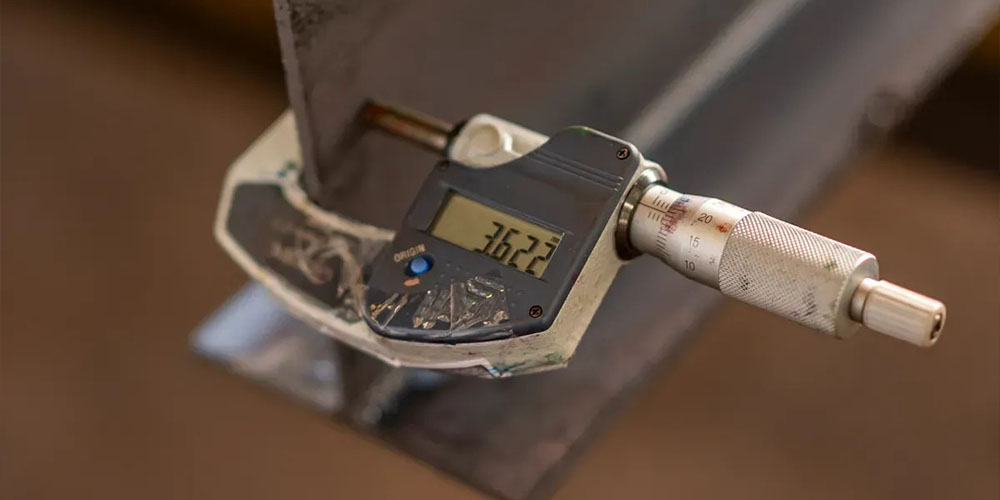
You can use a coating thickness gauge like an electronic meter to measure the zinc layer on the light pole. This tool helps you check if the galvanizing meets industry standards. To get accurate results, you can follow these steps:
First, use the manufacturer’s traceable standards to check if your gauge is accurate.
Next, use an uncoated steel sample to check the zero point of the gauge.
Then, use thickness standards to check the span, usually between 2 and 5 mils.
If the readings do not match the standard value, you need to adjust the gauge.
Place the gauge on a representative uncoated sample and measure at 5 to 10 different points.
If the gauge shows a positive reading on the bare metal, use the zero-adjust function.
After adjusting the zero point, all future measurements will automatically compensate for the substrate.
For mechanical gauges, you should measure the uncoated sample at more than 10 locations and calculate the average base metal reading (BMR). After that, subtract this BMR from each galvanizing measurement. Electronic gauges are easier; you can just use the zero-adjust function or subtract it manually.
Tip: Always measure at several different points, especially on welds and edges, to ensure the zinc coating is even across the whole pole.
2.2 Comparing to ISO 1461 and ASTM A123
To see if the rod is compliant, you need to compare your measurement results with international standards.
The two main standards here are ISO 1461 and ASTM A123. Both standards set the minimum coating thickness requirements for hot-dip galvanized steel. However, these specific values are not fixed; they can change based on the steel thickness and product type.
Standard | Minimum Thickness (microns) |
ISO 1461 | 45 to 85 |
ASTM A123 | 50 to 100 |
The table below shows how these standards apply to different steel thickness categories:
Steel Thickness Category | ISO 1461 Minimum Coating Thickness (μm) | ASTM A123 Requirements |
Thicker than 6mm | 85 | Structural Shapes: 75-100, Plate: 75-100, Pipe: 75 |
3mm to 6mm | 70 | Structural Shapes and Plate: 65-75, Pipe: 45-75 |
1.5mm to 3mm | 55 | Structural Shapes and Plate: 45-65, Pipe: 45 |
Thinner than 1.5mm | 45 | Structural Shapes, Pipe, and Plate: 45 |
You should check your gauge readings against these values. If your measurements are lower than the minimum value required by the related standard, this rod is not compliant. Always record your results and compare them with the correct steel thickness category for the rod.
Note: Meeting or exceeding these standards ensures that the rod resists corrosion in outdoor environments and lasts longer.
2.3 Field Testing Tips
When you measure zinc coating thickness outdoors, you need to follow good practices to get reliable results. Here are a few expert tips:
Place the probe flat on the surface. Tilting it will cause wrong readings.
Use gentle pressure. Too much pressure will press the coating and affect the measurement.
Using a spring-loaded probe is good because it helps prevent dent marks on the surface.
Automatic stands are also useful to help you control the speed and pressure of the probe touching the surface.
Take multiple readings at different places, especially on welds and edges, to check if the coverage is even.
Knowing the zinc coating thickness helps you make smart decisions about product quality and safety. Through these steps, you can check if the rod is durable and make sure it meets project requirements.
Note: Always keep your measurement records and compare them with ISO 1461 or ASTM A123. Doing this protects your investment and ensures a safe and reliable installation.
Part3: Testing Coating Adhesion
3.1 Simple Adhesion Checks
You can do a simple adhesion test right on-site to check if the zinc coating on the light pole will last.
One common method is the tape test: press strong adhesive tape tightly onto the galvanized surface, and then pull it off quickly. If large pieces of zinc come off with it, it means the coating is not bonding well.
You can also use a knife to scratch the surface gently. If the bond is good, the coating will not come off, and it will only leave a light mark on the surface.
According to laboratory research, there are several ways the coating fails during adhesion testing:
Failure Mode | Implication |
Cohesive failure within fireproofing | Acceptable if strength adequate |
Adhesive failure at fireproofing-substrate interface | May indicate preparation issue |
Failure within substrate (zinc coating) | Zinc cohesive strength governs |
Usually, you should always record the test locations and results. It is best to take some pictures for your files, especially when you plan to check the light pole quality for the project.
3.2 Identifying Flaking or Peeling
Blistering and peeling are the two main signs of poor adhesion. You can spot these defects by watching the changes in the coating's appearance and texture.
The table below helps you tell these differences apart:
Characteristic | Flaking | Peeling |
Physical Properties | Thick, hard, brittle shards | Matte gray exposed alloy layers |
Coating Thickness | Near-zero thickness (0.2 to 0.5 mils) | Substantial remaining thickness (2-6 mils) |
Edge Definition | Sharp, well-defined edges | Loosely attached eta layer sheets |
Failure Mechanism | Clean separation from substrate | Gradual loss with fuzzy boundaries |
Common Locations | Edges, corners, areas under stress | Not specified |
Field Test | Shatters when bent | Bends readily |
Common causes for peeling or flaking include:
The coating is too thick, which creates high stress at the steel-zinc interface.
The cooling speed is slow, which forms a zinc-iron layer and creates voids.
Chemical or manufacturing problems in the steel, which can cause delamination.
If you find these problems, you should ask for third-party testing or consult your supplier.
3.3 Interpreting Results
You need to use clear standards to explain the adhesion test results. You can follow these steps:
First, visually check the coating for pinholes, burrs, or bare spots.
Compare your findings with the coating specification requirements of the project.
Record all defects and repairs in the inspection log.
If needed, use standard tests like ASTM D4541 (pull-off), ASTM D3359 (tape), or ASTM D6677 (knife).
Consider using witness panels for destructive testing to avoid damaging the actual poles.
Other important checks include:
Measure the coating thickness with a magnetic gauge.
Run accelerated corrosion tests, such as salt spray exposure.
Evaluate the surface appearance to see if it is rough or has dross inclusions.
Use advanced tools like a scanning electron microscope for detailed analysis.
Industry standards recommend that you agree on the test protocol before the inspection. Always use photos to record the test locations and results. If you find an adhesion failure, expand the testing to see how widespread the problem is. This method helps you verify the rod quality and ensure long-term performance.
Part4: Compliance and Maintenance
4.1 Reviewing Certificates and Standards
When you buy light poles, you should always ask for the galvanizing certificates. These certificates prove that the light poles meet ISO 1461 or ASTM A123 standards. To check if the certificate is real, you can use the following methods:
Verification Method | Description |
Directory/Register | Certification owners keep a database of valid certificates. |
QR Code | Some certificates have a QR code you can scan. |
Direct Contact | You can email the certification owner for verification. |
Third-party testing plays a very key role in verifying galvanizing quality. If you find signs of a bad coating, inconsistent thickness, or a suspicious certificate, you should ask for independent testing. Third-party inspectors use industry standards and unbiased methods, which helps you avoid costly mistakes and ensure safety.
Tip: Always keep a record of the certificates and test results. Doing this protects your project and helps you meet legal requirements.
4.2 Manufacturer Reputation and Warranty
Before you buy light poles, you need to check the manufacturer's reputation. Industry surveys show that these factors are the most important:
Quality of raw materials
Zinc coating thickness
Coating adhesion
Surface treatment
Load-bearing capacity
Standard compliance
Warranty and support
A strong warranty shows that the manufacturer trusts their product. Good customer support helps you solve problems quickly. You should also look for reviews and ask for references from other customers.
Note: If a supplier cannot provide certificates or a clear warranty, you should consider other options.
4.3 Regular Inspection and Maintenance
You must inspect and maintain light poles to keep them safe and durable. Cleaning and checking for corrosion are important steps. Use this table to plan your cleaning schedule:
Cleaning Frequency | Recommendation |
General Areas | Clean at least twice a year |
Coastal/Polluted Areas | Rinse every three months |
Sheltered Spots | Pay extra attention to areas where salt and dirt collect |
Please follow these steps for maintenance:
Inspect the inside of the shaft with a flashlight.
Use a pressure washer to remove loose dirt.
Wipe away stubborn spots with 600-grit sandpaper.
Check for corrosion using an ultrasonic thickness gauge.
Before sealing the pole, make sure the interior is dry.
Routine upkeep, including rust evaluations and grounding checks, can ensure the safety of the poles and extend their lifespan. Environmental factors, such as harsh weather, can accelerate wear and tear. Regular care helps you detect problems early and avoid costly repairs.
Note: Maintenance is more than just cleaning. You should also examine anchor bolts, electrical connections, and grounding to prevent failures.
By following clear verification steps, you can guarantee the safety and durability of the light poles. Always inspect the surface, measure zinc thickness, and test adhesion strength. Use these methods during every purchase or evaluation. Work with reputable suppliers who provide proper documentation. Reliable records help you track quality and monitor every single pole:
Documentation Type | Purpose |
Galvanizing Declaration | Confirms standard and process |
Lot Identification & Traceability | Tracks production and pole details |
Coating Thickness Report | Shows measurement results and calibration |
Inside Galvanizing Confirmation | Verifies internal protection |
Repair/Touch-up Record | Notes repairs and verification |
Visual Inspection Record | Documents defects and corrections |
For complex cases, please consult industry experts or third-party inspectors.
FAQ
What is the difference between hot-dip and cold galvanization?
Hot-dip galvanizing immerses steel into molten zinc to form a thick and durable coating. Cold galvanizing uses zinc-rich paint or spray. The hot-dip method achieves superior corrosion protection. Cold plating offers lower durability and is unsuitable for outdoor light poles.
How thick should the zinc coating be on a light pole?
The zinc coating thickness for most outdoor light poles should be at least 80 microns. This complies with general standards and ensures long-term corrosion resistance.
What does ISO 1461 mean for galvanized light poles?
ISO 1461 establishes international rules for hot-dip galvanized steel. You can utilize it to verify whether your light poles meet the minimum zinc thickness and quality requirements. Be sure to request the ISO 1461 certificate from your supplier.
How does ASTM A123 differ from ISO 1461?
ASTM A123 is the American standard for hot-dip galvanizing. It provides specific coating thickness values for different types of steel. ISO 1461 is the international benchmark. Both aid in verifying quality, but you should check which one your project requires.
Why should you use third-party testing for galvanization?
Third-party testing provides you with unbiased results. You can trust these evaluations to confirm zinc thickness, adhesion, and overall quality. This will protect your investment and ensure the safety of public lighting projects.
Contact Us
Get a custom lighting solution and quotation for your project. Outdoor lighting manufacturer in Yangzhou, ChinaAbout Jieyao LightingYangzhou Jieyao Lighting Equipment Co., Ltd. is an outdoor lighting manufacturer focused on solar street light systems and high mas... Do you have any questions or requests?
Email: jay@jieyaolighting.com

Click to Chat.
Im online now.