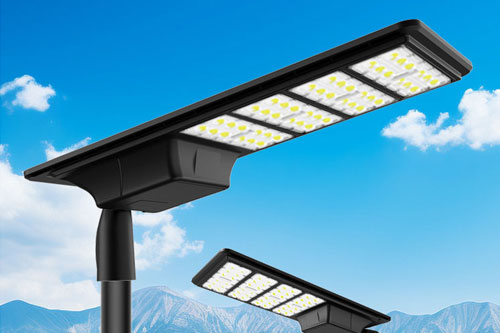


Inspect a hot-dip galvanized lighting pole against the coating standard and project specification named in its purchase order.
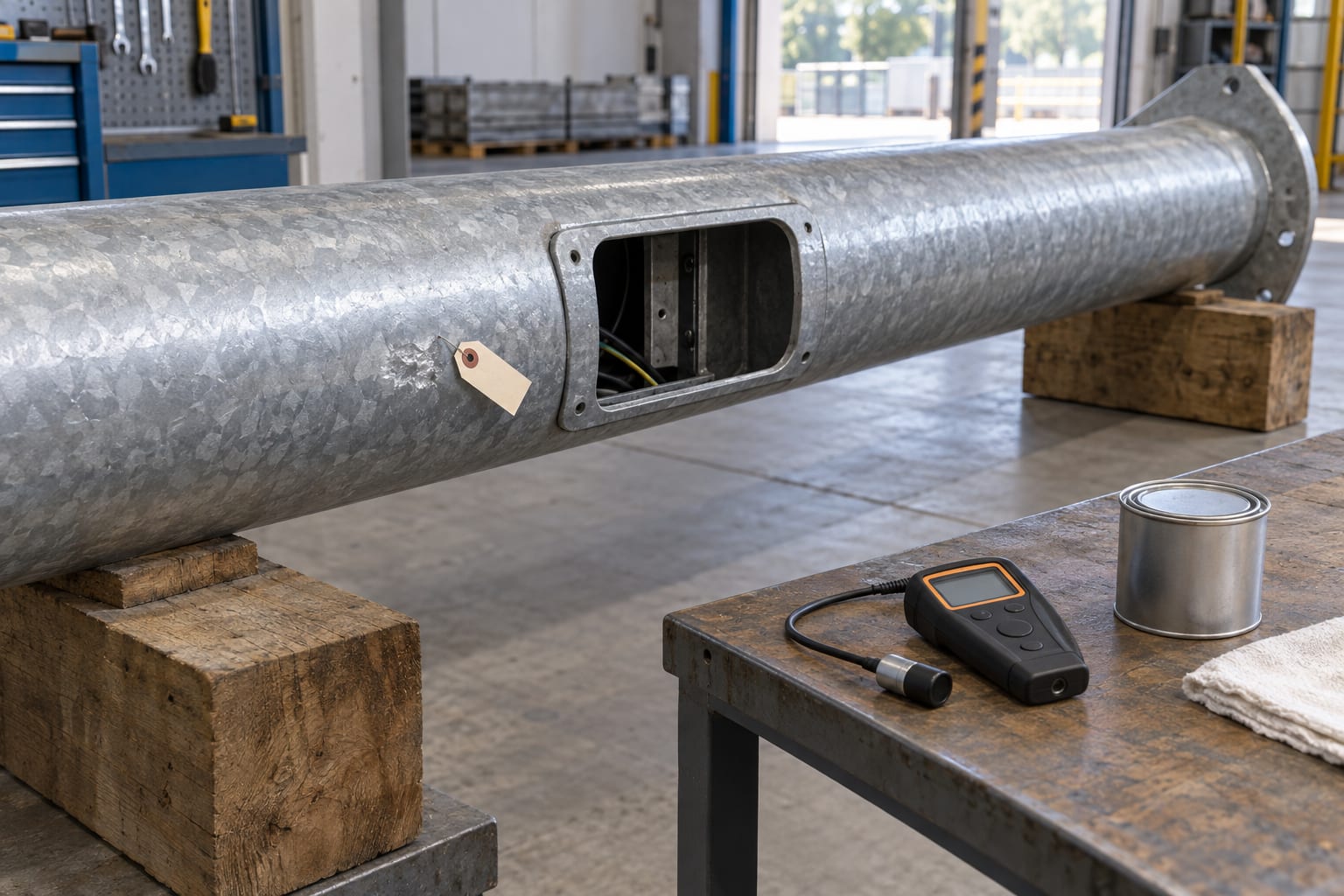
Identify a specific finding and its pole mark before choosing any repair.
A visual blemish is not automatically a rejection, and a shiny touch-up is not automatically an accepted repair. The reviewer needs the article identity, specified finish, inspection method, location and extent of the condition, proposed disposition and reinspection record.
This guide addresses fabricated steel pole shafts, base plates, arms and brackets at the factory, after transport and before installation. It does not provide a universal coating thickness, maximum bare area or repair product. Those decisions belong to the contract's standard, edition and approved coating procedure. A painted or duplex topcoat needs additional system-specific requirements from its coating supplier.
Confirm whether the order specifies ISO 1461:2022, ASTM A123/A123M, or another defined route for hot-dip galvanized fabricated steel. Record the edition, any buyer amendments, inspection sampling and accepted repair route. Do not mix measurement positions or acceptance values from different standards because they happen to be familiar.
The pole's design also matters. Drainage and vent features, a base plate, welds, access openings and bolted interfaces may all affect which surfaces can be inspected and later assembled. Check the approved drawing before calling a feature a coating defect. A designed drain hole is not a pinhole; an uncoated contact face may be deliberate only if explicitly shown and approved.
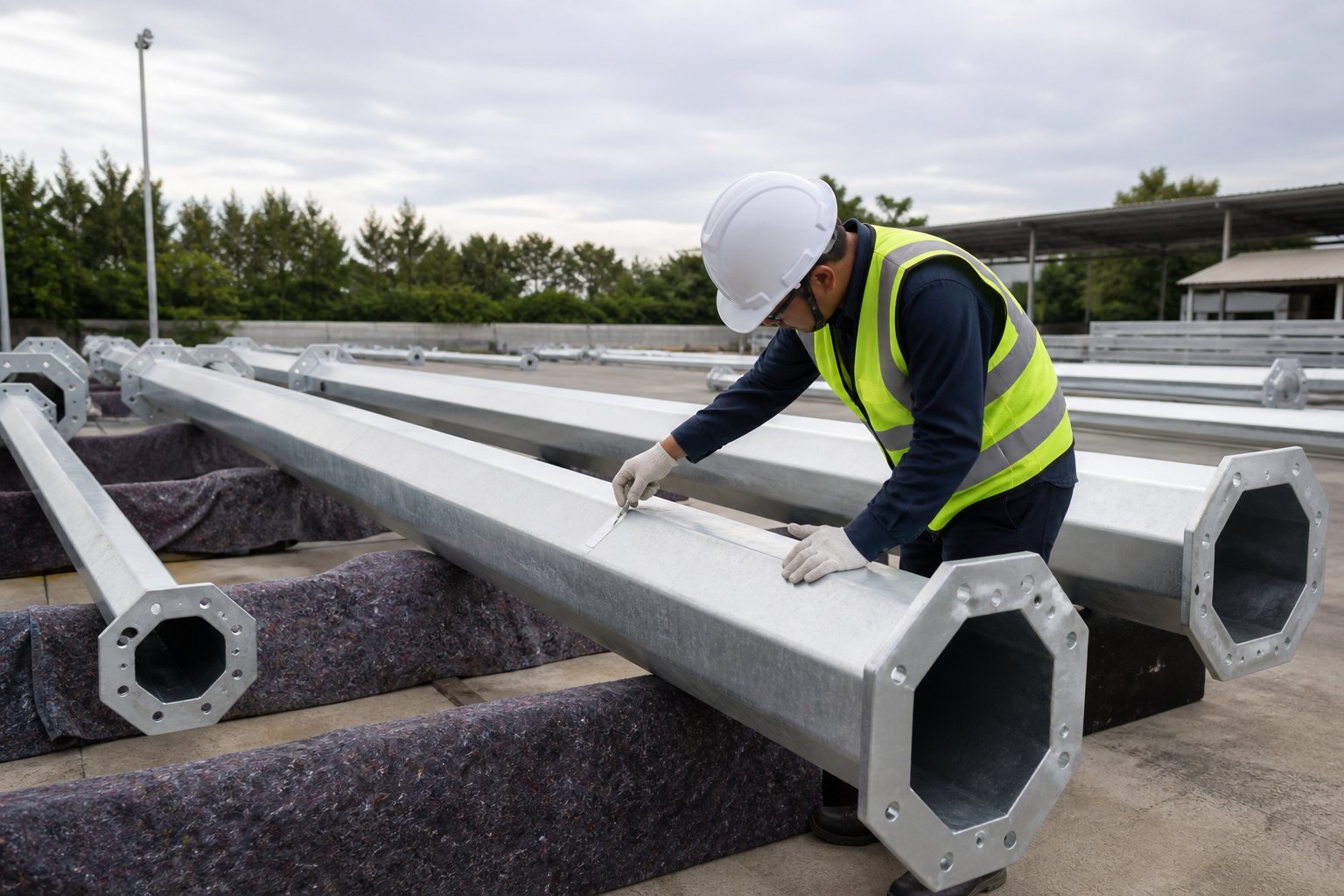
Observe the actual surface and record the location before interpreting a result.
Use a clean, well-lit surface and record the pole mark, part, orientation and approximate location. Photograph both the overall assembly and a close view with a scale where useful. Keep the initial finding separate from the final disposition. A scratch acquired during loading, a local bare area after galvanizing, rough excess zinc, trapped residue and a painted-topcoat chip can require different decisions.
The table is a triage guide, not a pass/fail chart. The same visual mark can have different significance at a decorative exposed face and a hidden interface. Any mechanical straightening, welding or drilling after galvanizing needs a separate engineering and recoating review.
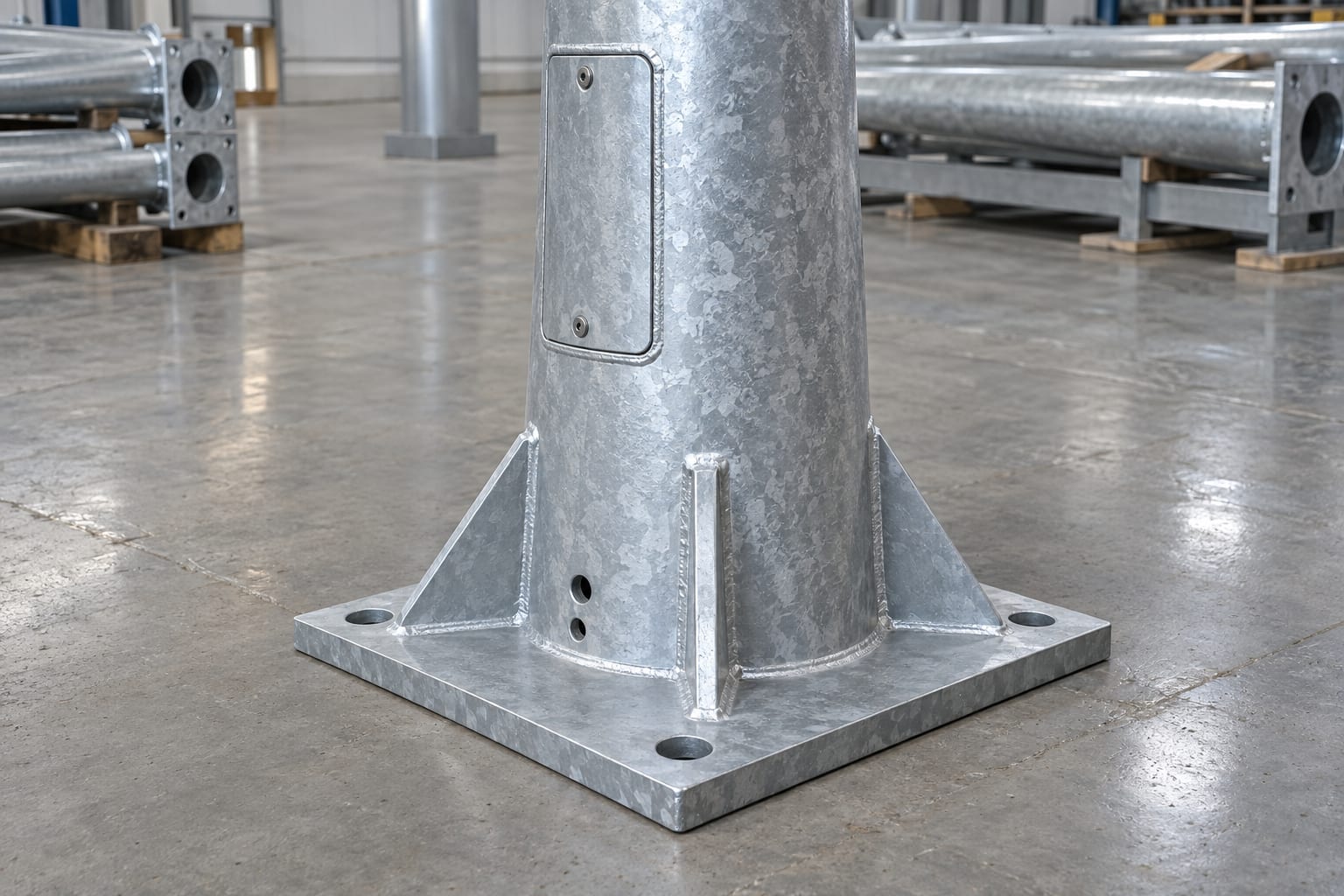
Base interfaces and openings need the same project-specific finish review as the shaft.
If the contract requires coating thickness measurement, use a calibrated instrument and the method, locations and sampling defined by the controlling specification. Identify the exact article and surface in the record. Avoid a single attractive reading as proof of the entire pole, and avoid declaring failure from a measurement taken outside the specified method. Where a condition is near an acceptance limit, preserve the raw readings and seek the designated inspector's interpretation.
Record surface preparation and accessibility. A gauge cannot establish the coating's condition underneath dirt, loose residue or a later paint layer without a defined procedure. Likewise, a photograph alone cannot prove thickness. Keep photographs, measurement sheets and any nonconformance number linked to the same pole mark.
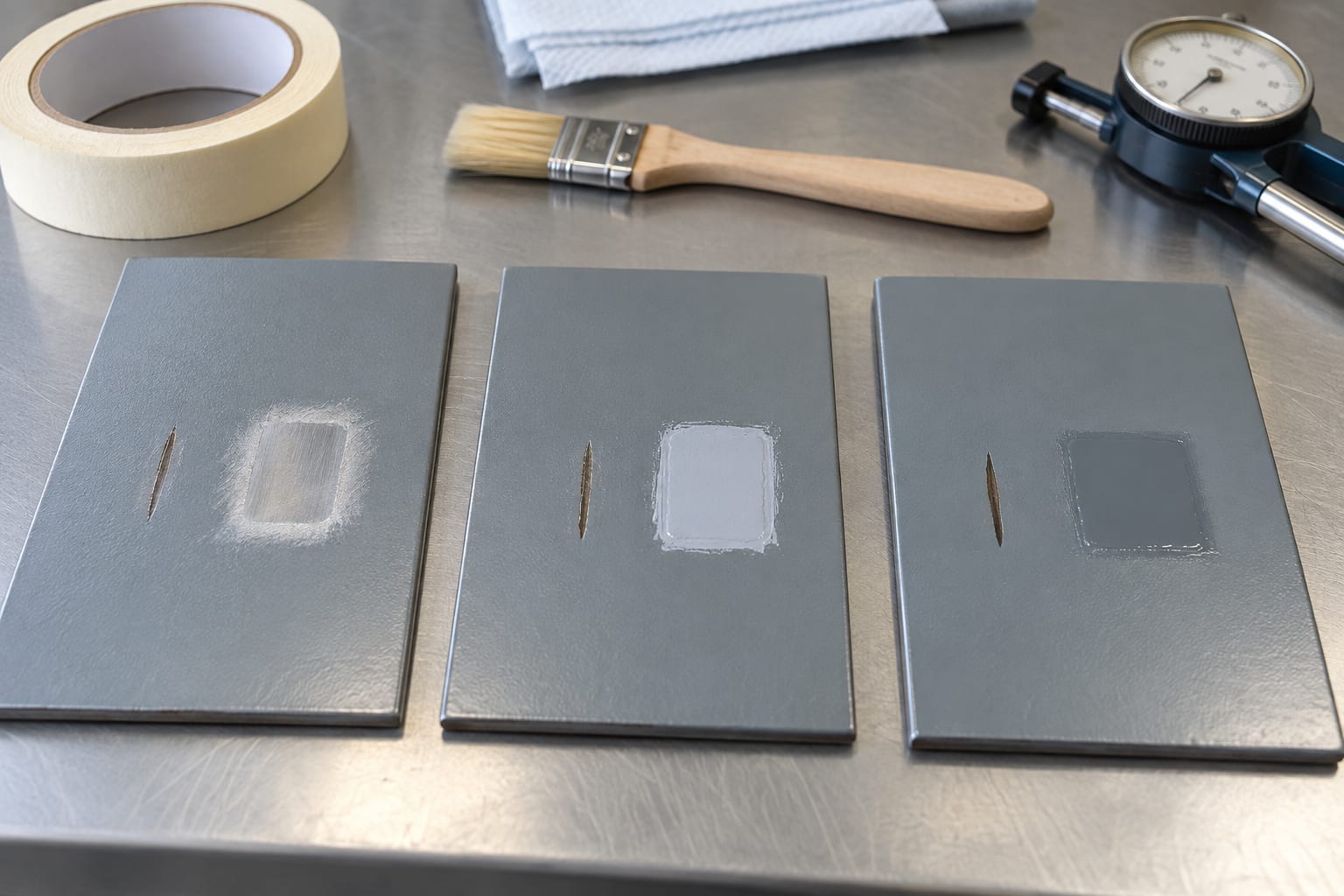
Sample coupons can communicate repair steps; acceptance belongs to the contracted procedure.
For damage or uncoated areas on hot-dip galvanized steel, the contract may invoke ASTM A780/A780M or the repair provisions of the specified galvanizing standard. These references describe repair routes; they do not authorize an arbitrary aerosol spray over an unprepared surface. Confirm the allowed extent, preparation, material, application conditions and final inspection with the responsible reviewer before touching the pole.
Protect adjacent sound coating and critical fit surfaces. Prepare the area according to the approved method, apply the specified repair system and let it reach the required condition before handling or packing. For a duplex-coated pole, check compatibility with the organic topcoat and the supplier's cure and overcoating instructions. If damage reaches a structural member, weld or fastener interface, stop and involve the designer; coating repair alone may not resolve the problem.
This second table is a traceability sequence for corrective work, distinct from the condition-triage matrix above.
A repaired surface can still create a problem if it blocks a bolt hole, door seal, slip joint or bracket seating surface. Trial-fit the relevant mating part when the repair is at an interface. Then protect the finished area from straps, dunnage and metal-to-metal abrasion during export packing. The installation and erection checklist includes receipt-condition checks; the street light pole product hub provides the broader configuration context.
The galvanized-versus-painted finish comparison is the earlier system-selection decision. This page is for a specific finding on an already-coated component. Keeping those questions separate helps a buyer request the right evidence rather than a broad claim that one finish is always more durable.
No. Classify the feature using the contracted standard, appearance requirements and functional interface before accepting, repairing or rejecting it.
Only under an approved method and project authority. Document the affected pole mark, repair material, preparation and reinspection before closing the record.
Do not substitute an arbitrary paint for the specified zinc-repair method. The acceptable materials and preparation come from the contract's standard and approved procedure.
No. Apply the standard and edition named by the project, including its own measurement and repair requirements.
Not necessarily. Observe the approved product's cure or handling conditions and protect the area from abrasion during loading and transit.
Contact Us
Get a custom lighting solution and quotation for your project. Outdoor lighting manufacturer in Yangzhou, ChinaAbout Jieyao LightingYangzhou Jieyao Lighting Equipment Co., Ltd. is an outdoor lighting manufacturer focused on solar street light systems and high mas... Do you have any questions or requests?
Email: jay@jieyaolighting.com

Click to Chat.
Im online now.