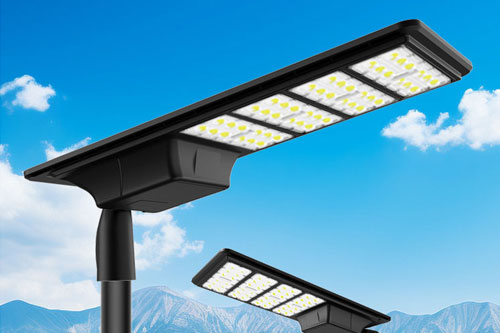


An in-service street light pole inspection should identify the exact asset, compare its current condition with the accepted installation baseline, and assign a documented action. The most useful outcome is not a vague “pass” or “fail”: it is a traceable decision to monitor, repair under an approved method, isolate the location for urgent engineering review, or replace the assembly. The inspection scope, frequency and acceptance criteria must follow the owner's asset policy, the local authority and the pole's design documents.
This guide is for galvanized or duplex-coated steel roadway poles with arms, access doors and flanged bases. It focuses on the structural support and its interfaces. Electrical testing, traffic control and elevated work should be performed by qualified teams under the applicable local procedures.
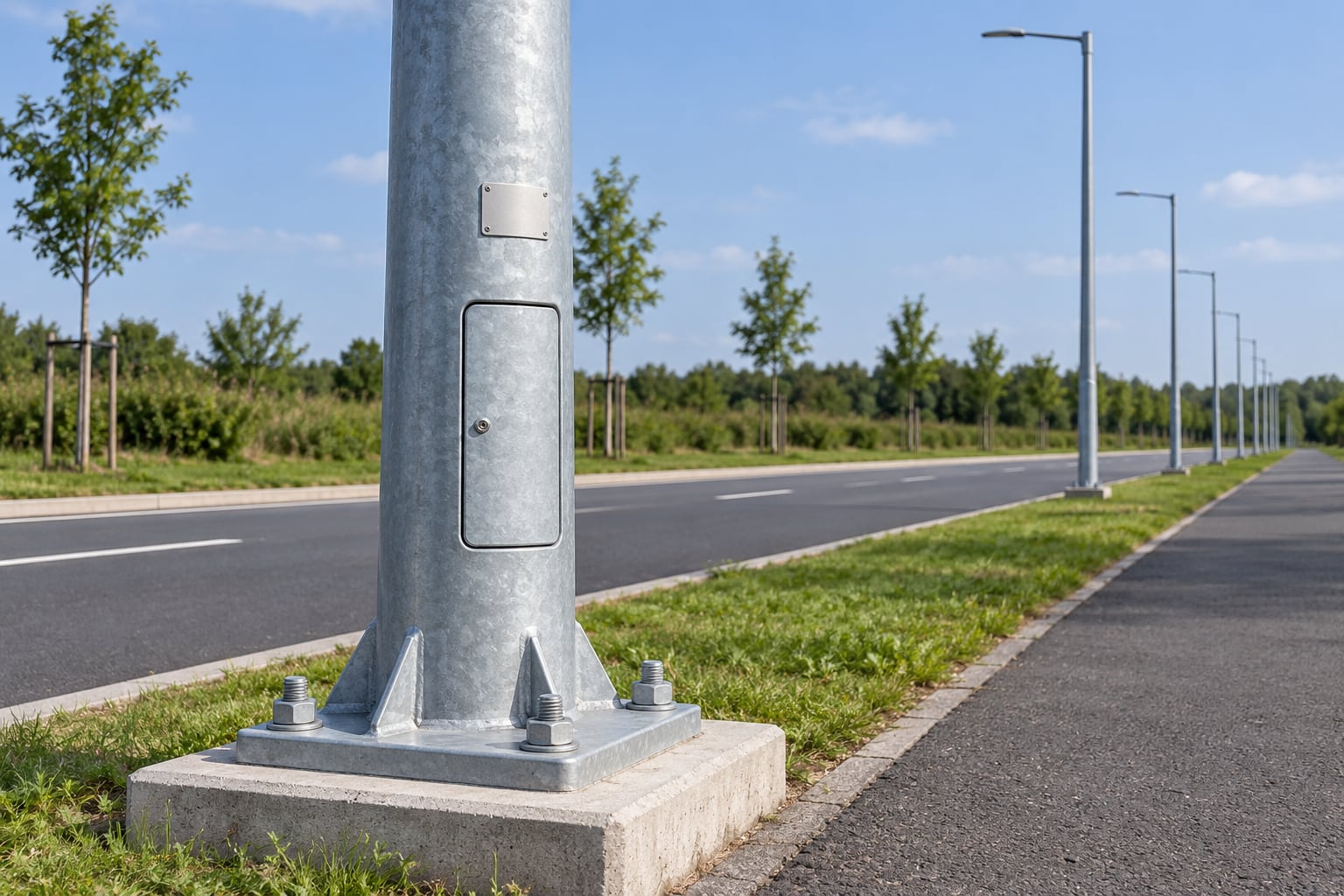
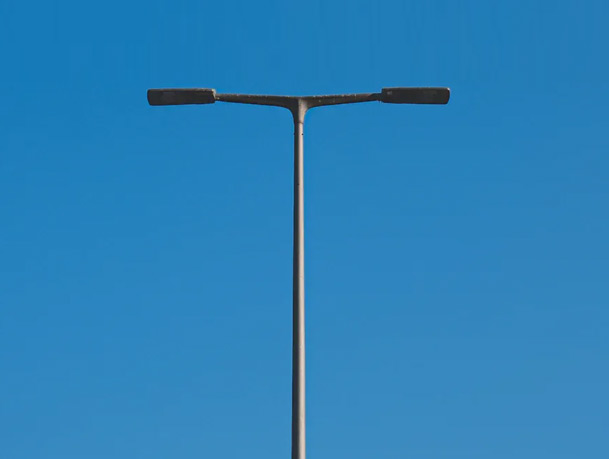
A roadside pole is inspected by asset identity, foundation, base, shaft and attachments.
Before visiting site, assemble the pole mark or asset number, coordinates, approved arrangement, foundation/anchor drawing, luminaire and bracket schedule, coating specification, installation acceptance record and prior repair history. Confirm whether the observed pole is actually the drawing type assigned to that location. A missing nameplate or mismatched arm should be recorded as an information gap, not silently treated as conforming.
Site photos should pair a wide location view with close views of each finding. Date, inspector, weather and location matter when the owner compares condition over successive visits. The installation and erection checklist describes the baseline records that should exist at handover; a replacement survey is covered separately in the retrofit site survey checklist.
Start with the surrounding pavement, drainage and foundation top. Look for standing water, soil loss, impact damage, cracking, spalling or altered grade that can obscure the base. A superficial stain on concrete is not the same as exposed reinforcement or a displaced foundation. Escalate uncertain structural observations rather than guessing their significance from a photograph.
At a flanged base, record the condition of the flange, stiffeners, grout or leveling detail, visible anchors, nuts and washers. Do not casually retorque anchors or remove protective covers without the approved procedure and access control. Check whether the pole is visibly out of plumb, the arm has rotated, or the luminaire has changed aim since handover. The foundation and anchor-bolt guide explains why the pole reactions, anchor geometry and civil design must match.
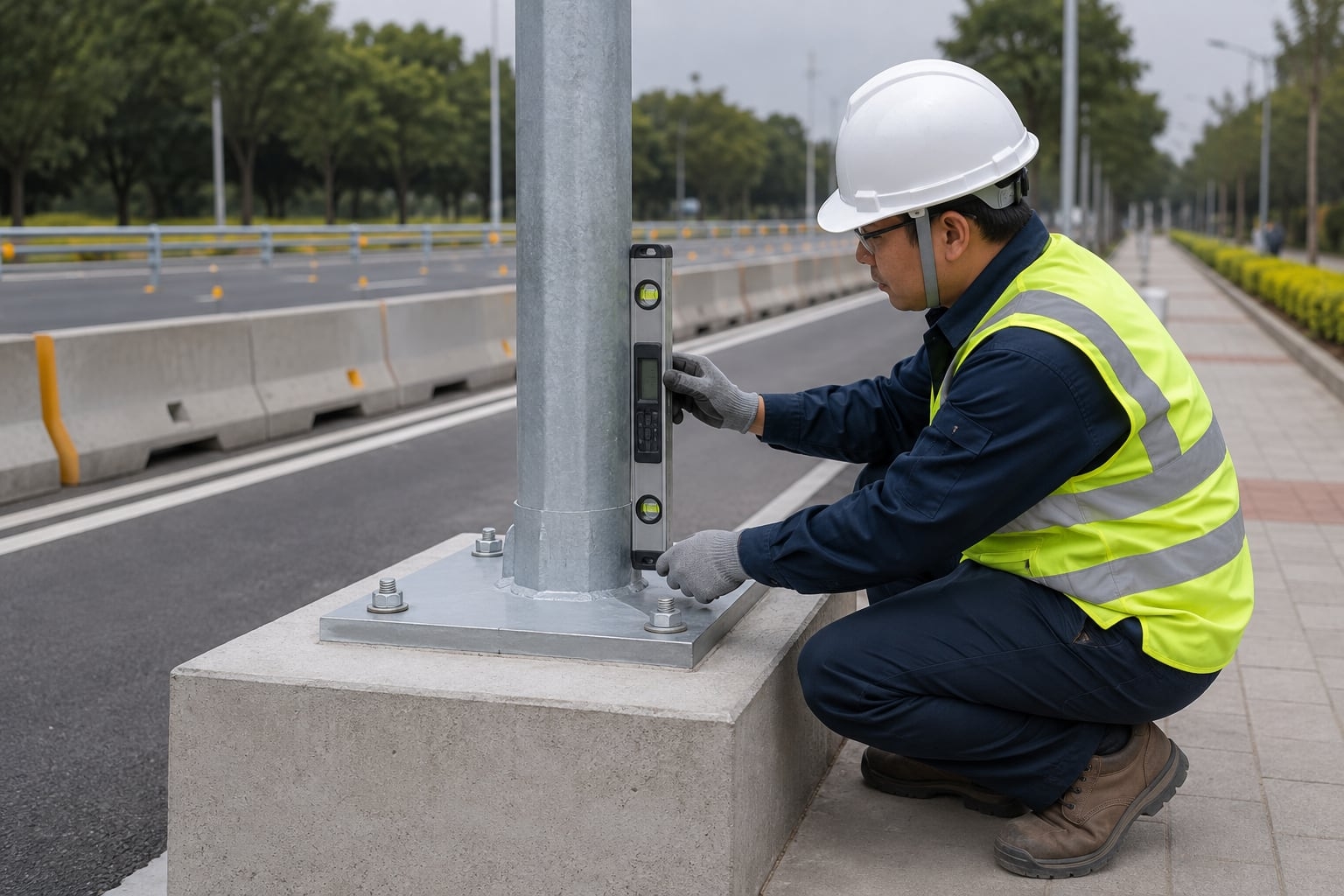
The base and visible anchors must be compared with the accepted installation details.
The shaft and door area deserve a closer view. Look for dents, cracks, unusual movement, water ingress, sharp exposed edges, insecure door hardware and corrosion concentrated around openings or fasteners. A door may be closed but difficult to remove safely; an opening may be blocked by landscaping or traffic furniture. When electrical access is required, isolate the circuit under the owner's procedure before opening the compartment. The access-door and internal-routing guide covers the designed service interface.
From a safe vantage point, examine arm connections, bracket orientation, luminaire fit, missing hardware and signs of impact or vibration. High-level inspection may require a lane closure and suitable access equipment. Do not infer the condition of a hidden weld or connection solely from a ground-level image.
| Zone | Record on site | Trigger for engineering review |
|---|---|---|
| Ground and foundation | Drainage, settlement, cracking, impact, exposed concrete or steel; location photo | Displacement, progressive cracking, undermining or uncertain support condition |
| Base and anchors | Flange condition, visible fasteners, coating, grout/leveling detail, pole plumb | Loose/missing hardware, movement, severe corrosion, bent anchor or altered alignment |
| Shaft and access door | Dents, cracks, water entry, door closure, exposed cable or damaged edge | Structural damage, open electrical compartment or unexplained local deformation |
| Arm and luminaire interface | Orientation, vibration evidence, connection condition and fit | Rotated arm, missing connection hardware, movement or unsafe attachment |
| Finish | Coating continuity, local rust, damaged area and exposure | Extensive corrosion or loss of steel section, not just cosmetic discoloration |
The matrix is a triage aid, not a universal rejection tolerance. The project specification and responsible engineer determine limits and the required follow-up method.
Hot-dip galvanizing can protect steel for a long period, but the owner still needs to inspect damage at sling points, door edges, flange details and locations exposed to splash or salt. Clean and photograph the area, determine whether base steel is exposed, and compare the defect with the applicable coating specification. A small local finish repair may be permissible under an approved method; a crack, severe section loss or displaced base is a different class of problem and must not be disguised with paint.
The galvanized coating inspection and repair guide addresses finish assessment. The American Galvanizers Association's field inspection guidance provides a technical reference on evaluating in-service galvanized surfaces. Neither source replaces the owner's accepted repair specification for a particular asset.
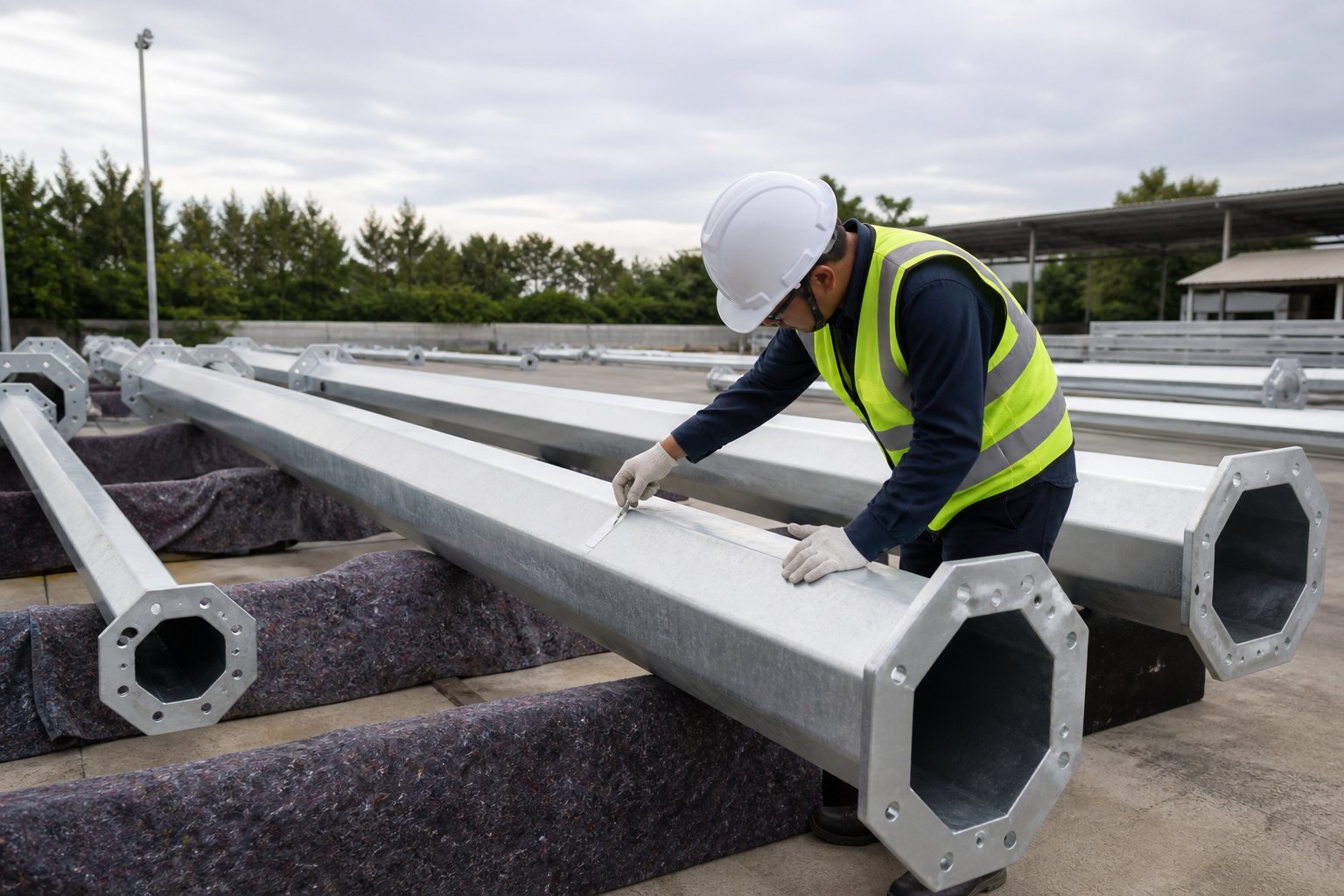
A coating finding is recorded separately from any structural concern.
The response should match the uncertainty and consequence. If a defect suggests immediate instability or exposed live parts, apply the owner's isolation, traffic and escalation protocol before routine repair planning. A planned repair requires a defined method, competent approver, return-to-service check and updated as-built record. A replacement decision requires measured foundation, anchor, cable, luminaire and access interfaces—nominal pole height is not enough.
| Decision class | Typical basis | Required closure evidence |
|---|---|---|
| Monitor | Stable condition within owner criteria; no unresolved safety concern | Asset ID, dated photos, comparison point and next review trigger |
| Approved local repair | Bounded coating or accessory issue with an accepted method | Method reference, repair location, completed inspection and updated record |
| Engineering review / isolate | Suspected structural, foundation, anchor or electrical hazard; cause uncertain | Access-control action, engineer disposition and documented release before return to service |
| Replace | Repair is unsuitable or engineering disposition requires a new assembly | Replacement survey, approved design/interface drawing, installation and acceptance records |
An action should not be closed solely because a work order was issued. Capture the repair or replacement evidence, identify the person who accepted it, and link the new record to the asset ID. This makes later inspections faster and lets the owner distinguish recurring defects from isolated damage.
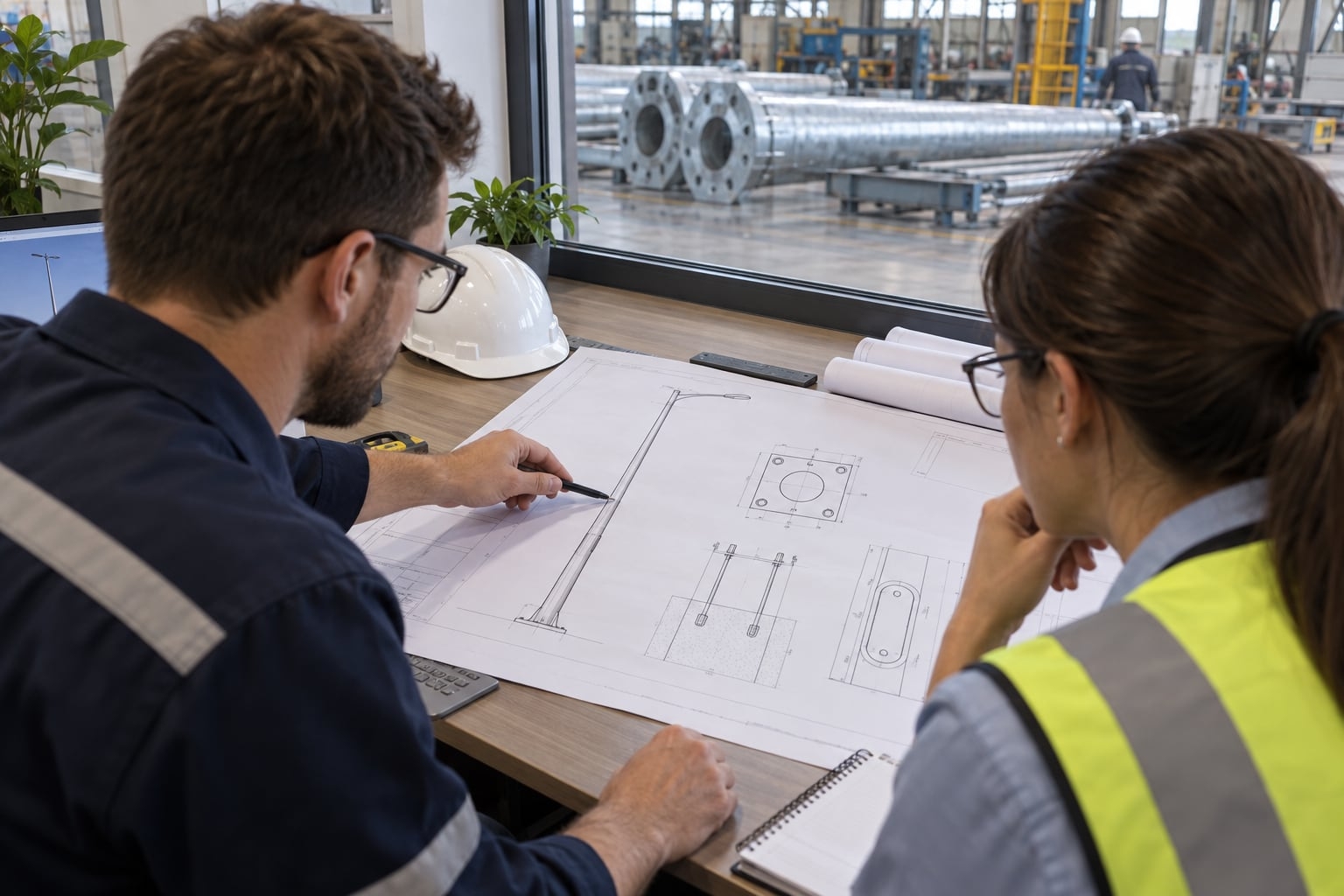
Repairs and replacement decisions should be linked to the correct asset drawing and revision.
Jieyao can review a replacement-pole inquiry when the owner provides the existing pole arrangement, arm and luminaire data, measured anchor and conduit interface, exposure/finish requirement, location constraints and available drawings. Identify which measurements are field verified and which are assumptions. The street light pole range is a starting point for configuration, not evidence that an off-the-shelf shaft fits an existing foundation. Use the contact page to share the project package and required delivery scope.
There is no safe universal interval for every location. The owner sets a risk-based program using the environment, age, prior defects, traffic exposure and local requirements, with extra reviews after a significant impact or storm where appropriate.
No, not without identifying the cause, cleaning and assessing the substrate, and using an approved repair system. Staining and structural section loss call for different responses.
Not automatically. Assess the door, opening, reinforcement, electrical protection and original design before deciding whether an approved part repair is possible.
No. The engineer must verify their condition, geometry, material, embedment and compatibility with the replacement pole reactions and base details.
A consistent asset ID, location, drawing revision, photo angles, measured findings, accepted repairs and inspector/date form a useful history.
The FHWA structural-support inspection guide discusses support, connection and access inspection. Its examples are a reference for planning an owner-specific program; acceptance criteria, traffic control and responsibilities remain project-specific.
Contact Us
Get a custom lighting solution and quotation for your project. Outdoor lighting manufacturer in Yangzhou, ChinaAbout Jieyao LightingYangzhou Jieyao Lighting Equipment Co., Ltd. is an outdoor lighting manufacturer focused on solar street light systems and high mas... Do you have any questions or requests?
Email: jay@jieyaolighting.com

Click to Chat.
Im online now.