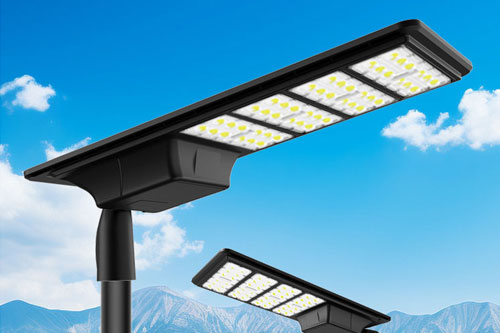


A street light pole asset register should let the owner answer four questions from one stable pole ID: Where is this pole? What is installed on it? Which approved records describe it? What changed after handover? A spreadsheet row with only a road name and mounting height cannot reliably support inspection, luminaire replacement, foundation work or a warranty query. The owner should define the identifier, required fields, document links and update responsibility before the construction team hands over the site.
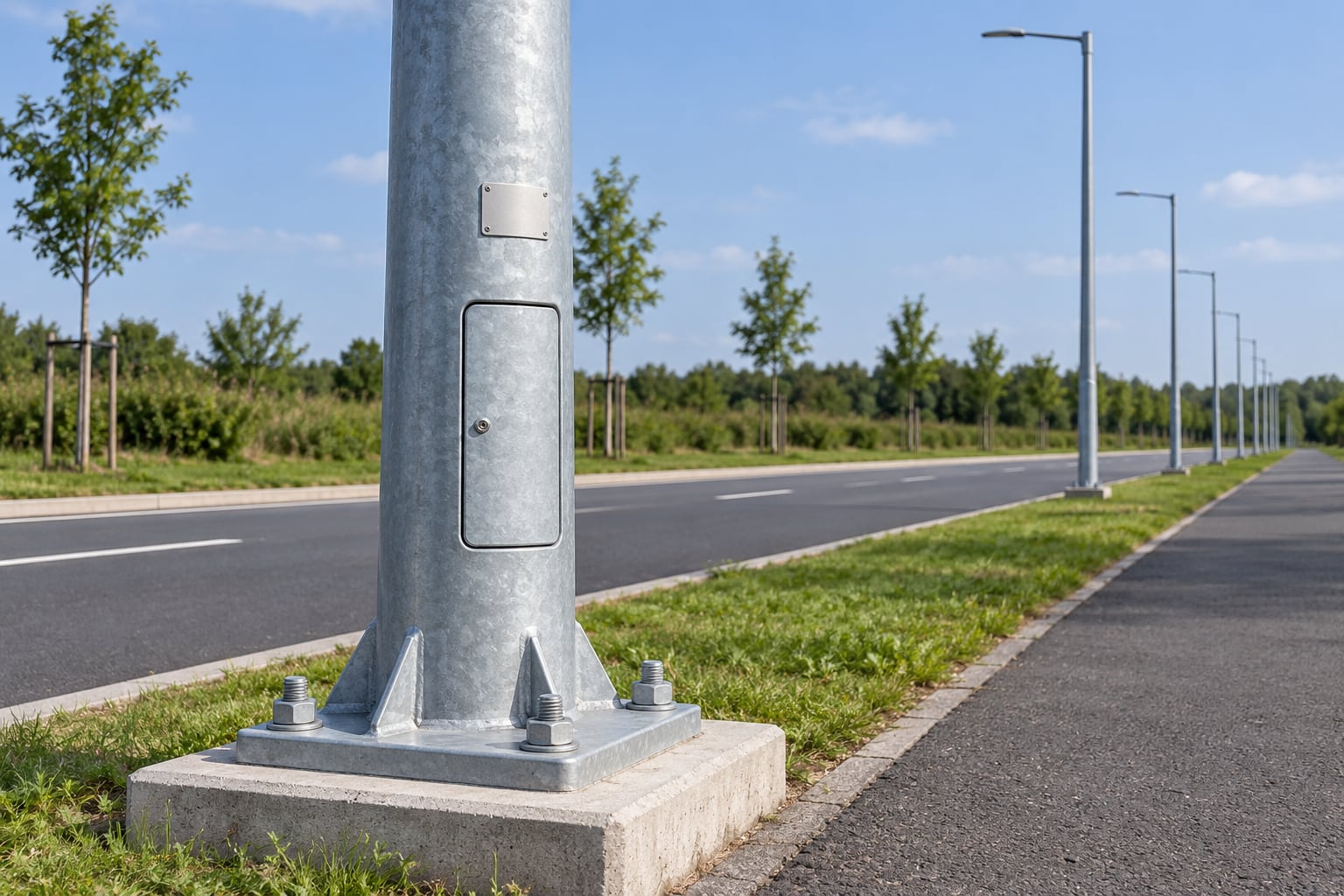
The register is an owner-controlled record, not proof of manufacturer performance. It can be a spreadsheet, geographic information system or maintenance platform if the data can be exported, versioned and matched to physical marks. An ID plate or label should be durable and placed where it can be safely read without opening an energized enclosure; placement and marking method must suit the project specification. Do not expose confidential network credentials or access details in a public-facing tag.
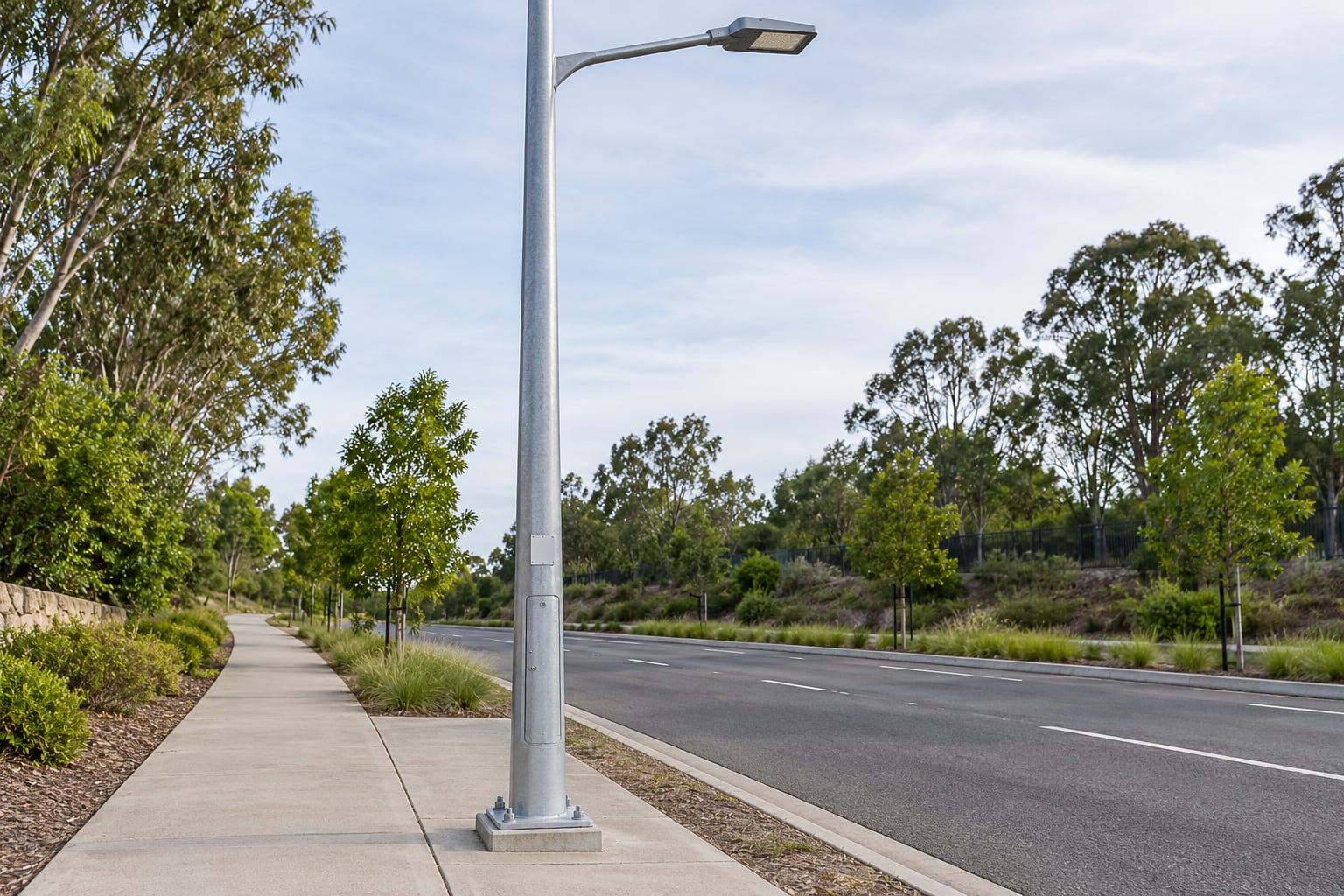
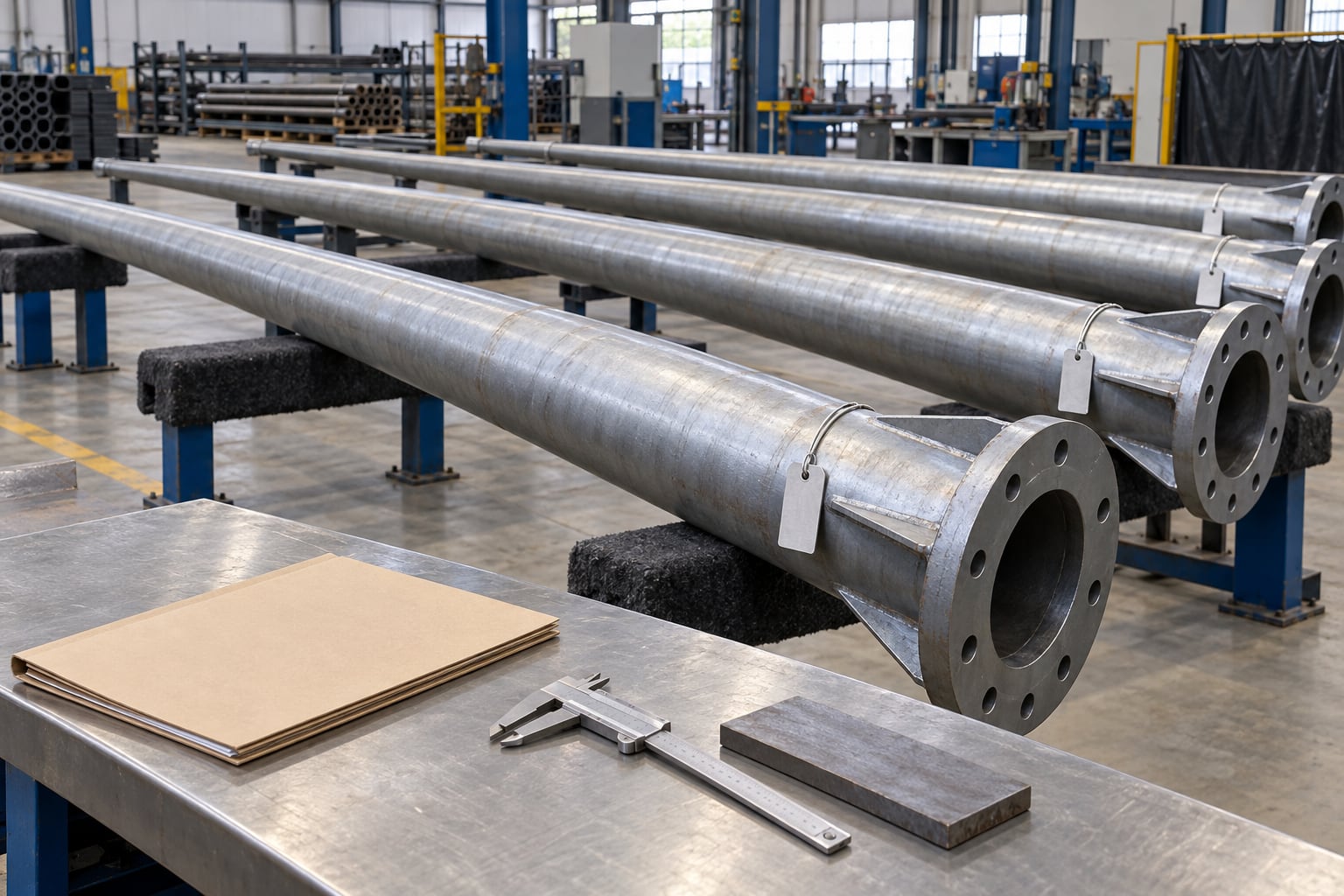
Create a mapping between the purchase-order line, factory pole mark, packing-list identifier, site location and final owner asset ID. A pole may move between proposed coordinates during construction, so the final register must distinguish planned and as-built locations. Keep a change log rather than overwriting the only copy of the original schedule. The material traceability guide explains the factory part/heat chain; this page starts from the installed owner asset and keeps that chain findable in the final handover package.
Where a shaft, arm or luminaire arrives as separate parts, record the matched component IDs or part numbers at assembly. If a spare arm is substituted on site, the as-built row should identify the installed part, not merely the part originally ordered. The owner should decide who can edit the register and who verifies the final physical mark against the map. Photo evidence should show enough context to identify the pole without confusing it with its neighbor.
The first table is a data dictionary. A project may need extra electrical, network or inspection fields, but a field should have a defined meaning, unit and owner. Avoid free-text entries such as “standard pole” where a drawing or equipment model is needed. Do not store passwords, keys or sensitive camera configuration in the pole register.
| Register group | Useful field examples | Why the field matters |
|---|---|---|
| Identity and position | Owner asset ID; factory mark; road/side/chainage or GIS coordinate; as-built location status | Finds the correct physical pole and links supplier records |
| Pole assembly | Pole type and height; shaft/arm drawing revision; material/finish; access-door orientation | Supports compatible repair and replacement planning |
| Mounted equipment | Luminaire model and quantity; arm reach/orientation; approved camera/sign/sensor IDs if any | Prevents unreviewed equipment substitutions |
| Foundation and utilities | Base or embedment type; anchor/civil drawing; supply circuit ID; conduit reference | Connects structural and electrical site records |
| Acceptance documents | Approved drawings/calculation references; inspection records; coating/repair record; handover date | Makes an acceptance decision auditable |
| Operation | Maintenance owner; inspection status/date; work-order links; replacement history | Keeps the row current after construction |
The register should link to the approved document revision, not just a folder named “drawings.” If the owner cannot match the pole ID on site to the document index, the handover set is not practically searchable. The shop drawing checklist addresses what those drawings must show before fabrication; the register preserves their final relationship to each asset.
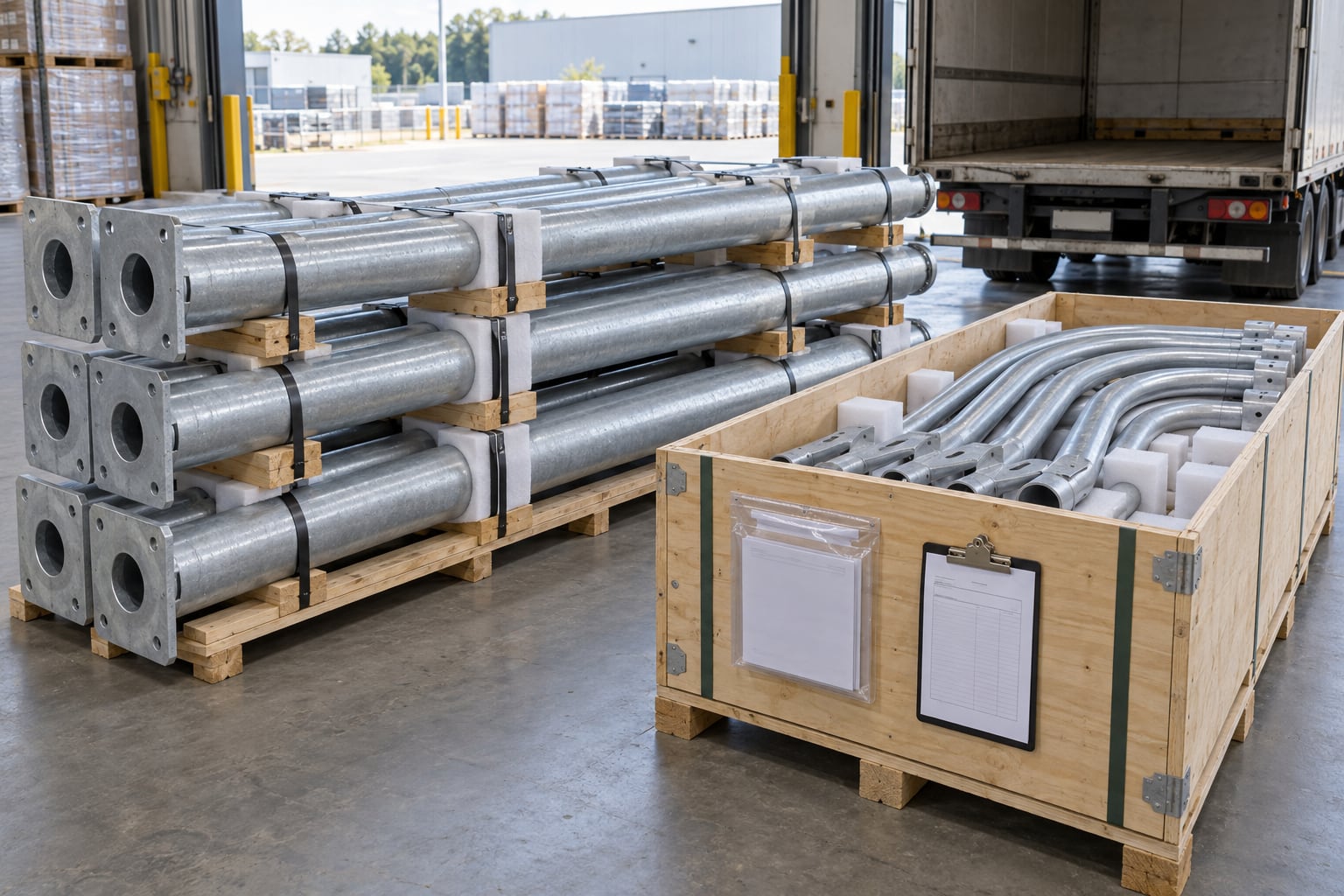
At goods receipt, check the delivery/packing IDs and note any missing or damaged component. During erection, record which pole and arm were actually installed at each location. After electrical and mechanical completion, link the inspection and commissioning records to that installed ID. The export packing checklist covers how parts are marked and protected for shipment; the installation and erection checklist covers field acceptance. The asset register is the persistent bridge between those phases.
Do not infer a component's identity from a photograph alone. Record the physical mark or part number and the corresponding approved document. If the construction team cannot read a mark, isolate the ambiguity and resolve it through the agreed traceability process before assigning a final owner ID. A false match is worse than a clearly recorded open item.
The second table is an update workflow, not another list of static fields. Agree which team changes the record, which evidence is attached and whether the structural or electrical design needs review. An inspection finding belongs in the maintenance system, but the register should point to the work order and current configuration. The maintenance inspection and repair decision guide explains that separate condition-assessment process.
| Event after handover | Register action | Supporting evidence / review owner |
|---|---|---|
| Luminaire model replaced | Record old and new model, quantity, date and mounted position | Work order plus engineer review when mass/EPA or geometry differs |
| Arm or bracket replaced | Update part identity, drawing revision and orientation | Approved fit/structural record and completion check |
| Coating or base repaired | Link defect, repair method, date and reinspection | Maintenance/quality record and owner acceptance |
| New camera, sign or sensor proposed | Keep proposed and approved configurations separate until released | Equipment schedule and structural/electrical review |
| Pole or foundation replaced | Retire old ID with history; create new ID and installation link | Removal, new as-built drawing and acceptance package |
Do not delete retired assets from historical exports. Keep a status such as proposed, active, temporarily isolated or retired with an effective date and reason. An owner may use different status labels, but the meaning should be consistent. Where a pole is relocated rather than replaced, preserve its original identity and record both old and new coordinates with an authorized change event. This makes a future maintenance crew less likely to act on a stale map.
Ask the supplier for a pole/component mark list, approved drawing and calculation index, material/coating/inspection records required by the contract, spare-parts identifiers and packing correlation. Ask the installer for the actual coordinates or chainage, circuit and foundation references, installed equipment IDs, test/inspection completion and unresolved exceptions. Agree a common file format and a unique ID field so supplier and installer datasets can be joined without manual guesswork. The final owner accepts the reconciled register only after sampling physical IDs against as-built rows and document links.
For a project-specific lighting-pole supply and documentation package, contact Jieyao with the pole schedule, marking and handover format requirements. The final content of the supplier's deliverables is defined by the agreed order, not by this general checklist.
It can be, but often the owner uses a separate road-network ID. Keep an explicit mapping so both sides can find the same physical assembly and documents.
Yes, if the owner maintains the complete installed asset. Record model, quantity and mounting position so a future change can be compared with the approved design.
No. Coordinates help locate it, but a physical ID and contextual location fields reduce confusion when nearby poles are close together or survey data changes.
Retire the old ID without deleting its history, create a new asset record, and link the removal and new acceptance documents. The owner's system can then preserve a clear event chain.
No. It identifies the asset and links to controlled inspection and work-order records. Detailed findings and acceptance decisions should remain in those source documents.
Contact Us
Get a custom lighting solution and quotation for your project. Outdoor lighting manufacturer in Yangzhou, ChinaAbout Jieyao LightingYangzhou Jieyao Lighting Equipment Co., Ltd. is an outdoor lighting manufacturer focused on solar street light systems and high mas... Do you have any questions or requests?
Email: jay@jieyaolighting.com

Click to Chat.
Im online now.